BioStacks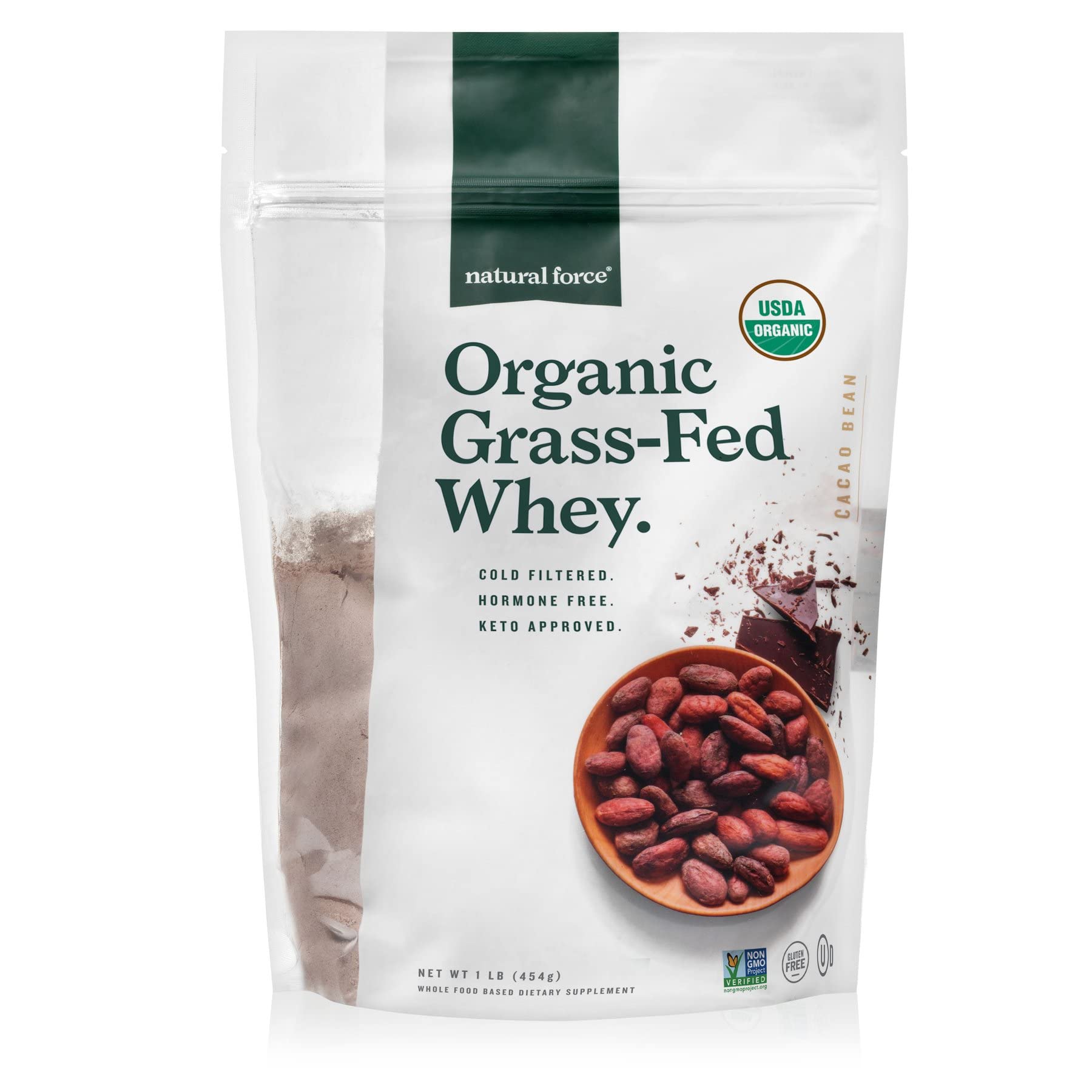
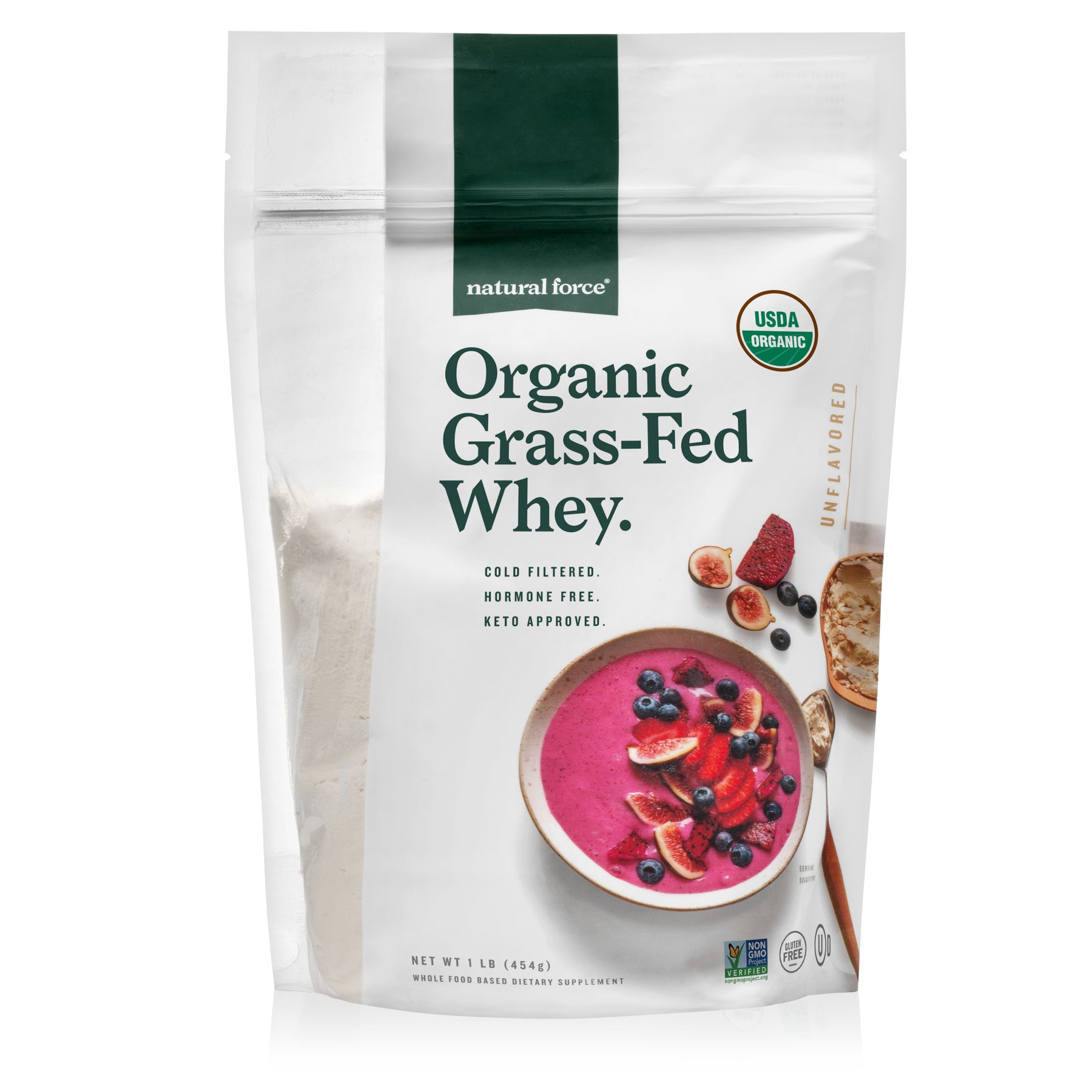
Best for
Ingredients (21)
L-Leucine
100%Dose
2170 mg
Target
2000–5000 mg
Form
—
L-Lysine
100%Dose
1900 mg
Target
1000–3000 mg
Form
—
L-Methionine
100%Dose
460 mg
Target
200–1000 mg
Form
—
L-Tyrosine
100%Dose
600 mg
Target
500–2000 mg
Form
—
Whey Protein
100%Dose
20 g
Target
20–30 g
Form
Not listed
Nutrition
Calories, macros & sodium.
- Sodium230 mg
Other Ingredients (10)
SucroseSweetener
Added sugars and high glycemic load; dental caries risk
Rice FlourFiller
Rice-based ingredients carry risk of inorganic arsenic contamination (FDA and Consumer Reports). Rice accumulates arsenic from soil at higher rates than other grains. Used as a cheap filler — adds nothing beneficial.
Medium Chain Triglyceride OilCarrier
Fractionated oils rich in C8/C10 triglycerides used as neutral carrier or anti-sticking agent
Natural FlavorsFlavor
Broad regulatory category of flavor constituents derived from natural sources. Composition is proprietary and not disclosed — 'Natural Flavors' can include several hundred different compounds depending on the target flavor profile, including hexane-extracted constituents and proprietary carrier solvents. 'Natural' is a regulatory definition (21 CFR §101.22), not a safety guarantee.
Silicon DioxideAnti-caking
Fine silica powder used to prevent clumping
Stevia ExtractSweetener
Zero-calorie natural sweetener extracted from the leaves of Stevia rebaudiana
Gum AcaciaBinder
Natural plant gum (acacia) used as a binder, stabilizer, and emulsifier in foods and supplements
Whey ProteinProtein Source
Common dairy-derived protein that sometimes appears in the other ingredients list due to label parsing
How to Take It
Best taken in the evening
Take at night. Other amino acids compete for brain uptake, so a protein-heavy meal blunts it. Take it between meals, away from food.
On an empty stomach
Keep it away from protein-heavy meals
Space it a couple of hours from SAMe
On the label
Take one serving once daily or as directed by your healthcare provider. Blend, shake, or briskly stir 2 scoops into 7 fluid ounces of chilled water.
Do not combine with St. John's Wort
Each of these raises serotonin activity on top of St. John's Wort, and together they can trigger serotonin syndrome — agitation, rapid heartbeat, raised blood pressure. Not without medical supervision.
General guidance based on the ingredients, not a substitute for the label or your doctor.
Price Check
$79.20
Pricier than 95% of 798 multivitamins
Track this supplement in your stack
Get personalized insights, interactions, and coverage recommendations.
Get Started FreeSimilar Supplements
Natural Force
Organic Grass-Fed Whey (Cacao Bean)
💪 for Muscle
64
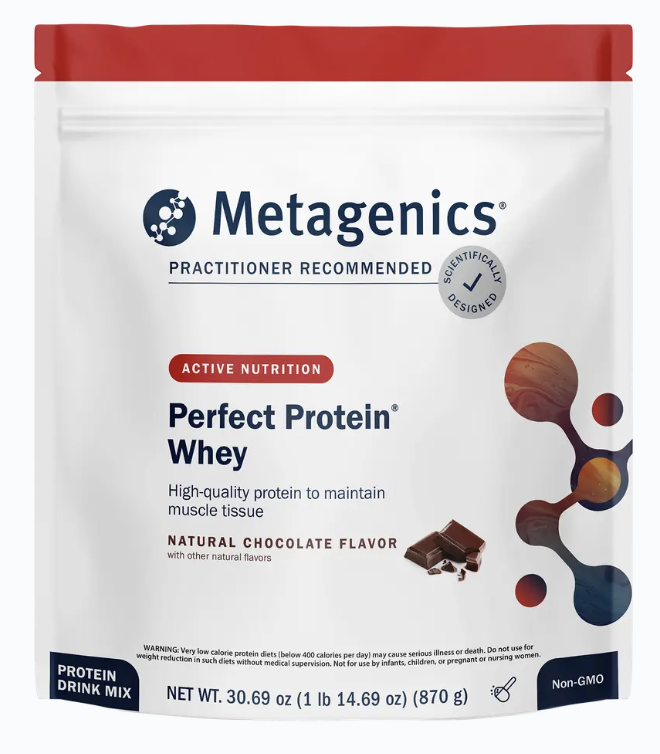
Metagenics
Perfect Protein Whey (Chocolate)
💪 for Muscle
43
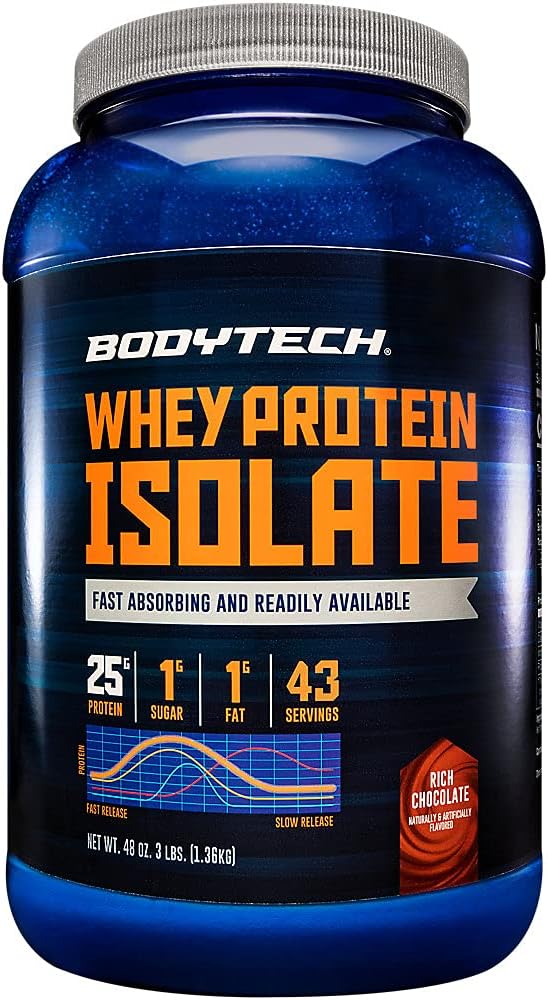
BodyTech
Whey Protein Isolate (Rich Chocolate)
💪 for Muscle
36
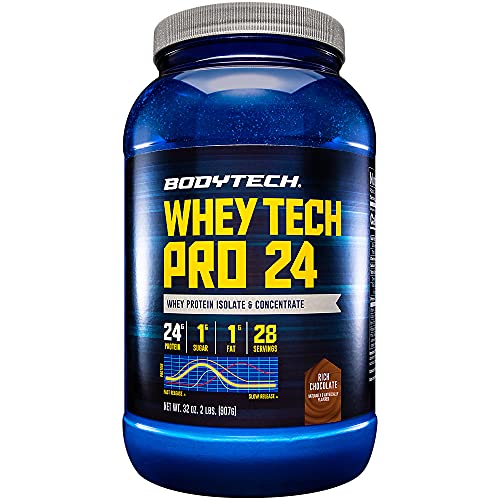
BodyTech
Whey Tech Pro 24 Powder (Rich Chocolate)
💪 for Muscle
25
Natural Force
Organic Grass-Fed Whey (Unflavored)
💪 for Muscle
64
Sources & Scoring
Nutrient data (RDA, UL, and safety thresholds) sourced from the NIH Office of Dietary Supplements and the National Academies Dietary Reference Intakes (DRI).
This is not medical advice. Consult a healthcare provider before making changes to your supplement routine.
The score analyzes what's on the label: ingredient doses vs. studied ranges, chemical forms, evidence levels, and known interactions. It does not verify label accuracy or test for contaminants — for that, look for third-party certifications like USP or NSF.