What it does
A combination of 2 label ingredients.
Vitamin B12
cyanocobalaminBudget
Supports normal nerve function, red blood cell formation and DNA synthesis.
Vitamin D
cholecalciferolPremium
cholecalciferol: Supports normal bones; D3 generally raises vitamin D blood levels more than comparable D2 doses.
Ingredients (2)
Other ingredients
Glucose SyrupSweetener
High glycemic load; source typically corn (generally gluten-free)
SucroseSweetener
Added sugars and high glycemic load; dental caries risk
Fruit Juice (unspecified)Colorant
Juice or juice concentrate used primarily for natural color and flavor in gummies
Natural FlavorsFlavor
Broad regulatory category of flavor constituents derived from natural sources. Composition is proprietary and not disclosed — 'Natural Flavors' can include several hundred different compounds depending on the target flavor profile, including hexane-extracted constituents and proprietary carrier solvents. 'Natural' is a regulatory definition (21 CFR §101.22), not a safety guarantee.
Citric AcidAcidulant
Natural acid derived from citrus fruits
Natural Palm Leaf GlazeCoating
A plant wax from the carnauba palm leaf used as a tablet glaze and polish
Vegetable OilCarrier
Edible oils used as carriers in softgels and as processing aids
PectinGelling Agent
Plant polysaccharide from citrus peels or apple pomace used to gel pectin-based gummies
Lab testing
How to take it
With a meal containing fat
On the label
Take 2 vegetarian gummies daily, preferably with a meal.
Price check
$14.79
$0.33 / serving
Near the median of 552 vitamin D supplements
Similar products
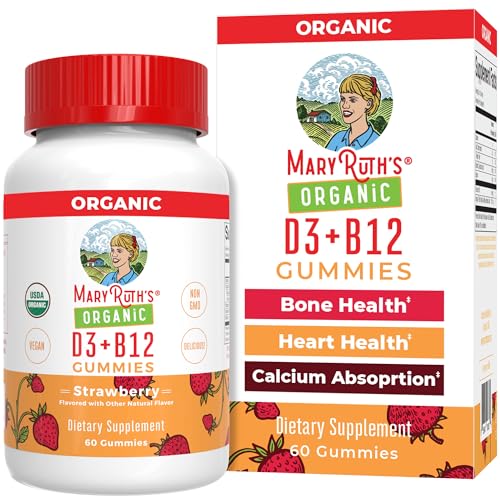
MaryRuth Organics
Organic Vitamin D3 + B12 Gummies (Strawberry)
🛡️ for Immune
72
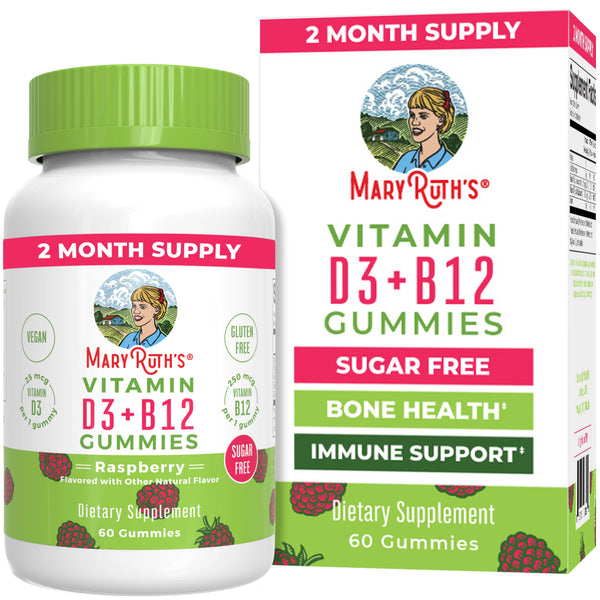
MaryRuth Organics
Sugar-Free Vitamin D3 + B12 Gummies (Raspberry)
🛡️ for Immune
72
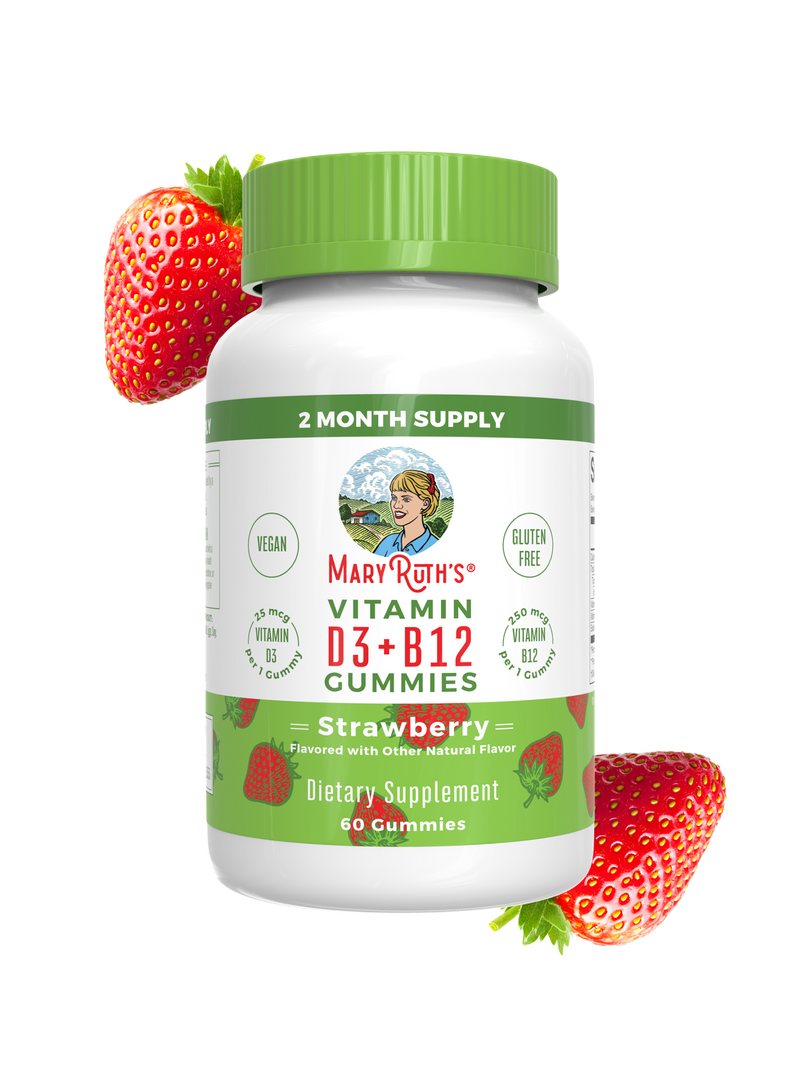
MaryRuth Organics
Vitamin D3 + B12 Gummies (Strawberry)
🛡️ for Immune
72
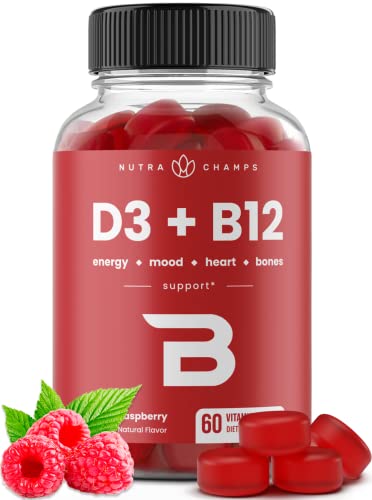
NutraChamps
Vitamin D3 & Vitamin B12
🛡️ for Immune
61
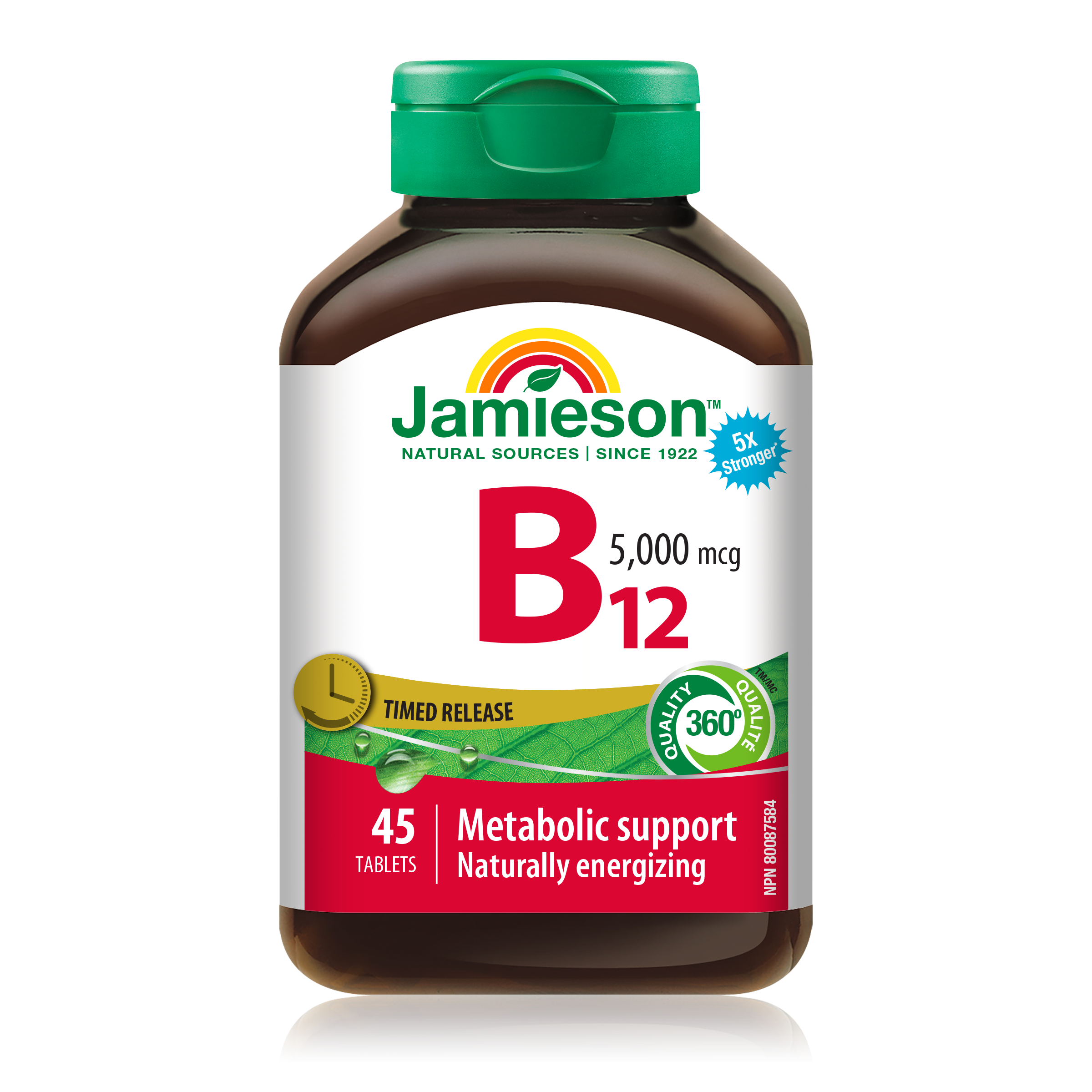
Jamieson
Vitamin B12 5,000 mcg Timed Release
⚡ for Energy
100
Sources & Scoring
Nutrient data (RDA, UL, and safety thresholds) sourced from the NIH Office of Dietary Supplements and the National Academies Dietary Reference Intakes (DRI).
This is not medical advice. Consult a healthcare provider before making changes to your supplement routine.
The score analyzes what's on the label: ingredient doses vs. studied ranges, chemical forms, evidence levels, and known interactions. It does not verify label accuracy or test for contaminants — for that, look for third-party certifications like USP or NSF.
Not medical advice. Consult your healthcare professional.