BioStacks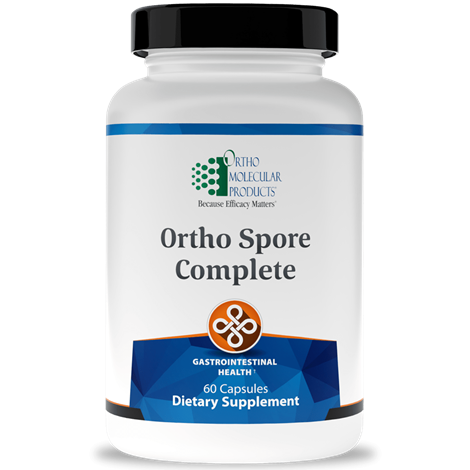
Best for
Ingredients (6)
Probiotics
100%Dose
10.1 billion cfu
Target
1–100 B CFU
Form
Not listed
Bacillus coagulans (Lacris-15)
8.3 mgUnit not recognized — not scored
Bacillus coagulans (Lactospore)
25 mgUnit not recognized — not scored
Bacillus coagulans (SNZ1969)
12.5 mgUnit not recognized — not scored
Bacillus clausii (CSI-08)
8.3 mgUnit not recognized — not scored
Other Ingredients (4)
Medium Chain Triglyceride OilCarrier
Fractionated oils rich in C8/C10 triglycerides used as neutral carrier or anti-sticking agent
Silicon DioxideAnti-caking
Fine silica powder used to prevent clumping
Capsule ShellCapsule
Generic capsule shell where the label does not specify the material. Common materials are hypromellose (HPMC) for vegetarian capsules and gelatin for traditional capsules — both are GRAS-listed and safe. Fish gelatin and pullulan variants also exist.
Microcrystalline CelluloseBinder
Plant-derived cellulose used as a binder and filler in supplements
How to Take It
Best taken in the morning
Live strains survive stomach acid best taken with or just before a meal — after a meal is the worst option. Consistency matters more than the clock.
With food
Keep it away from hot food or drink
On the label
Take 1 capsule per day with a meal, or as directed by your health‑care practitioner.
General guidance based on the ingredients, not a substitute for the label or your doctor.
Price Check
$69.99
Pricier than 92% of 108 digestion supplements
Track this supplement in your stack
Get personalized insights, interactions, and coverage recommendations.
Get Started FreeSimilar Supplements
Ortho Molecular Products
Ortho Spore Complete
🍏 for Digestion
72
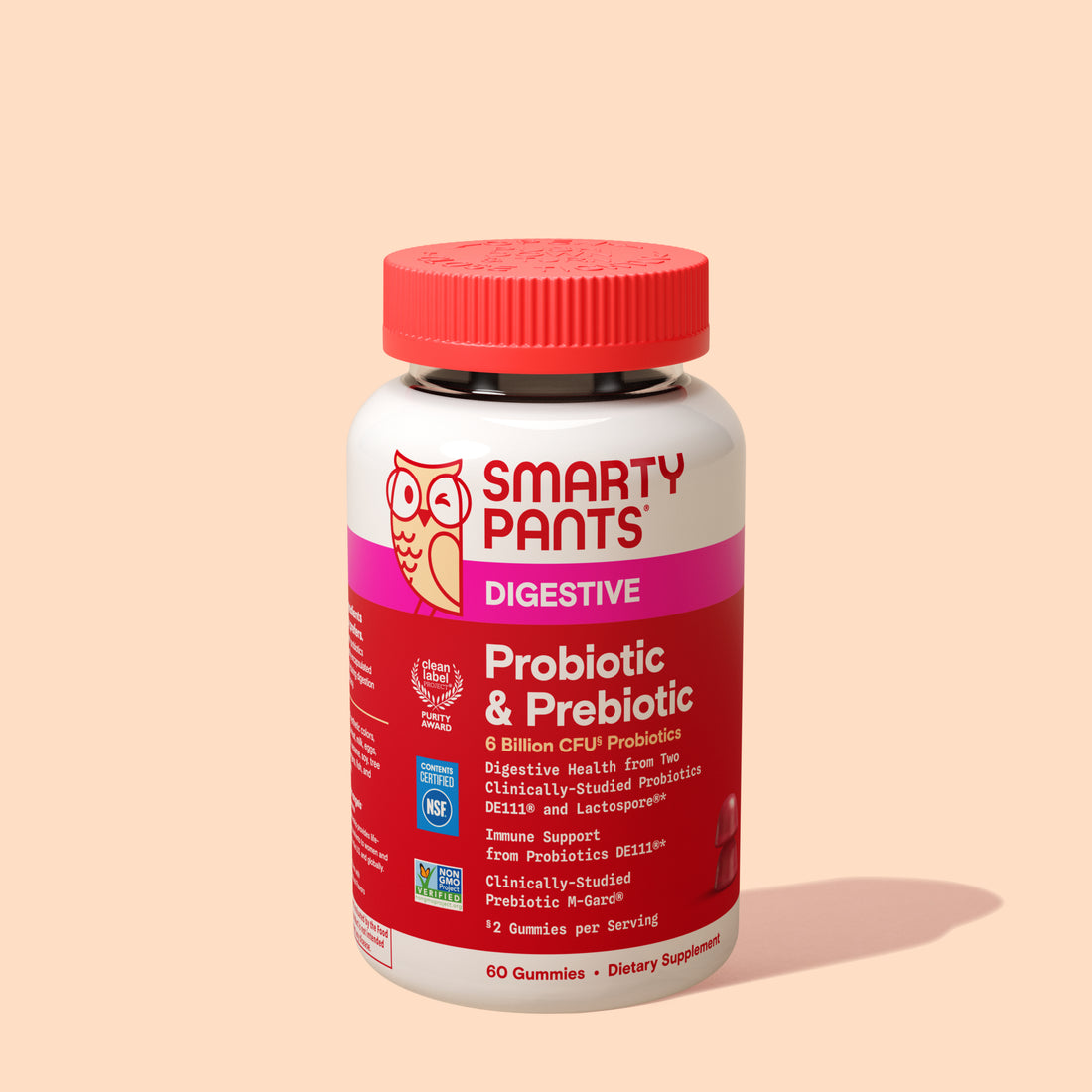
SmartyPants
Digestive Probiotic & Prebiotic
🍏 for Digestion
47
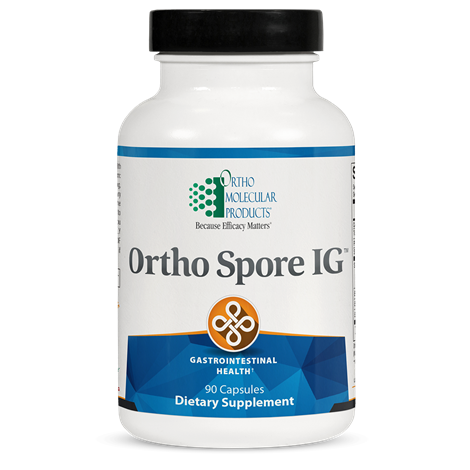
Ortho Molecular Products
Ortho Spore IG
🍏 for Digestion
4
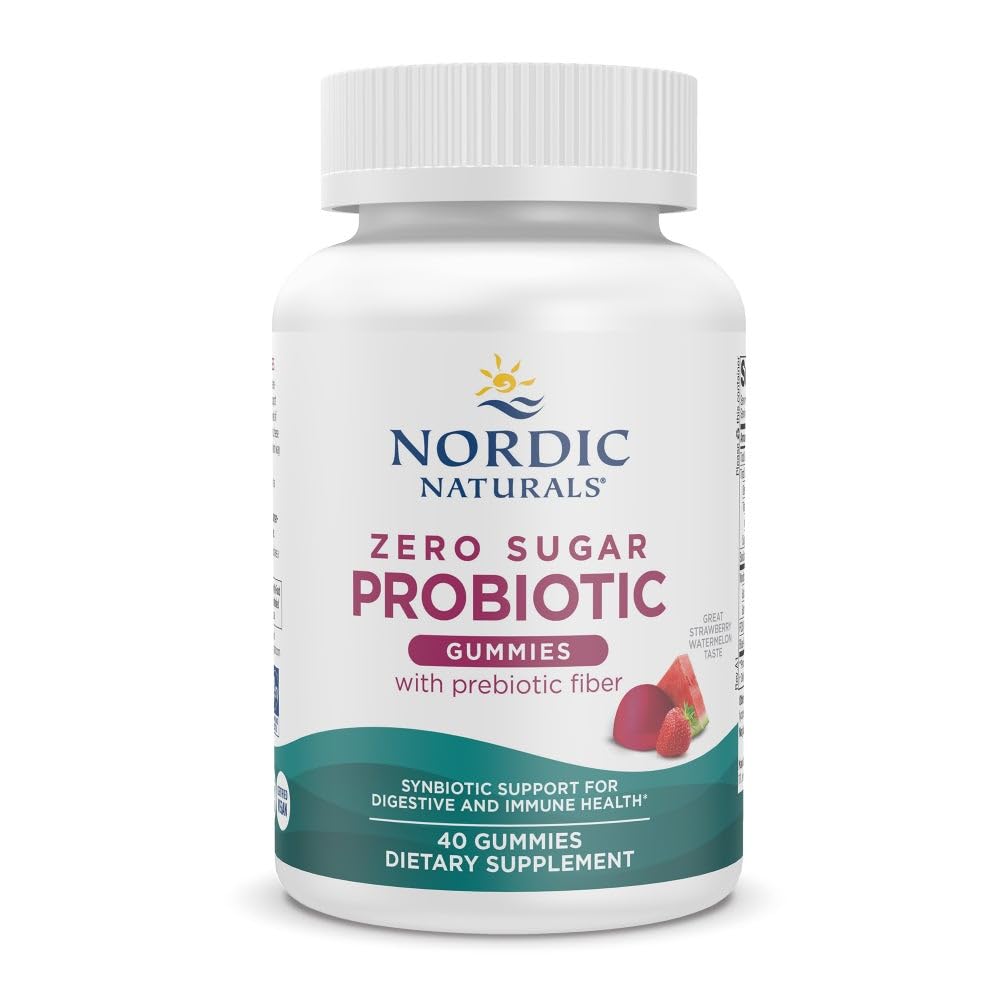
Nordic Naturals
Zero Sugar Probiotic Gummies with Prebiotic Fiber
🍏 for Digestion
52
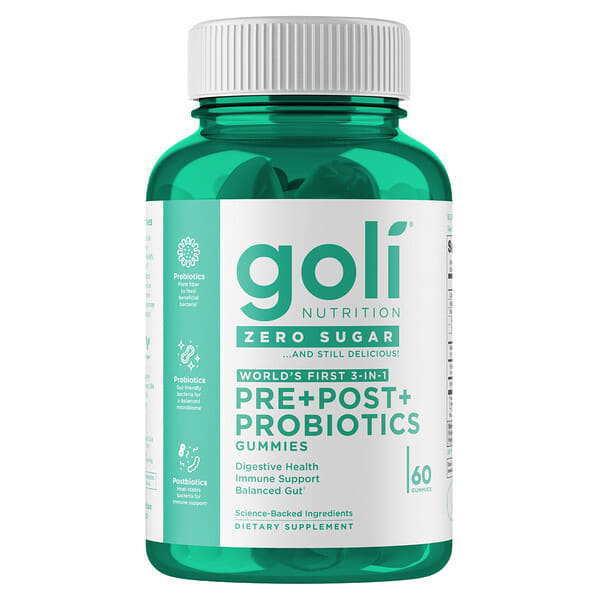
Goli Nutrition
Pre+Post+Probiotics Gummies, Zero Sugar
🍏 for Digestion
72
Sources & Scoring
Nutrient data (RDA, UL, and safety thresholds) sourced from the NIH Office of Dietary Supplements and the National Academies Dietary Reference Intakes (DRI).
This is not medical advice. Consult a healthcare provider before making changes to your supplement routine.
The score analyzes what's on the label: ingredient doses vs. studied ranges, chemical forms, evidence levels, and known interactions. It does not verify label accuracy or test for contaminants — for that, look for third-party certifications like USP or NSF.