BioStacks
Best for
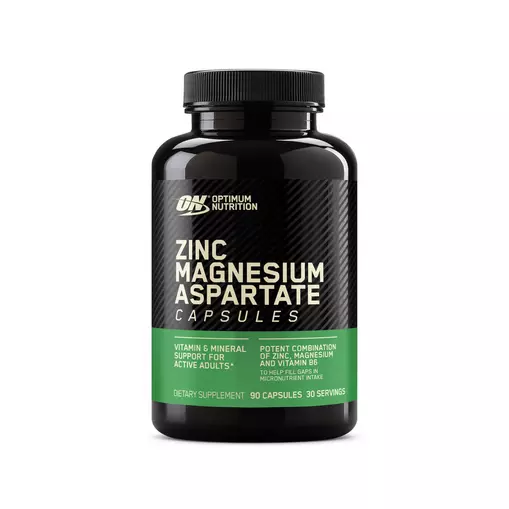
Ingredients (5)
Zinc
100%Dose
36 mg
Target
15–30 mg
Form
Budget
Vitamin B6
100%Dose
15 mg
Target
1.3–25 mg
Form
Budget
Magnesium
100%Dose
450 mg
Target
100–400 mg
Form
Not listed
Magnesium Aspartate
Amount not found
Magnesium Oxide
Amount not found
Other Ingredients (6)
Rice ExtractFiller
Rice-based ingredients carry risk of inorganic arsenic contamination. Vague labeling — 'rice extract' does not specify what is extracted or standardized. Used as a cheap filler with no supplemental benefit.
Rice FlourFiller
Rice-based ingredients carry risk of inorganic arsenic contamination (FDA and Consumer Reports). Rice accumulates arsenic from soil at higher rates than other grains. Used as a cheap filler — adds nothing beneficial.
Rice HullsAnti-caking
Ground outer husk of rice grains used as a plant-based flow and anti-caking agent
Sunflower Seed OilCarrier
Common vegetable oil from sunflower seeds used as a carrier in softgels for fat-soluble nutrients
Gum AcaciaBinder
Natural plant gum (acacia) used as a binder, stabilizer, and emulsifier in foods and supplements
HypromelloseCapsule
Plant-derived capsule material from cellulose
How to Take It
Best taken in the morning
Many people prefer B-vitamins earlier in the day; take with food to avoid nausea.
With food
Space it a couple of hours from Iron and Calcium
On the label
Take 1 serving per day approximately 1 hour before bed.
The label says evening; the ingredients lean morning. Timing isn't strict here — either is fine.
General guidance based on the ingredients, not a substitute for the label or your doctor.
Price Check
$9.95
Cheaper than 93% of 579 magnesium supplements
Track this supplement in your stack
Get personalized insights, interactions, and coverage recommendations.
Get Started FreeSimilar Supplements
Sources & Scoring
Nutrient data (RDA, UL, and safety thresholds) sourced from the NIH Office of Dietary Supplements and the National Academies Dietary Reference Intakes (DRI).
This is not medical advice. Consult a healthcare provider before making changes to your supplement routine.
The score analyzes what's on the label: ingredient doses vs. studied ranges, chemical forms, evidence levels, and known interactions. It does not verify label accuracy or test for contaminants — for that, look for third-party certifications like USP or NSF.