BioStacks
ecoNugenics
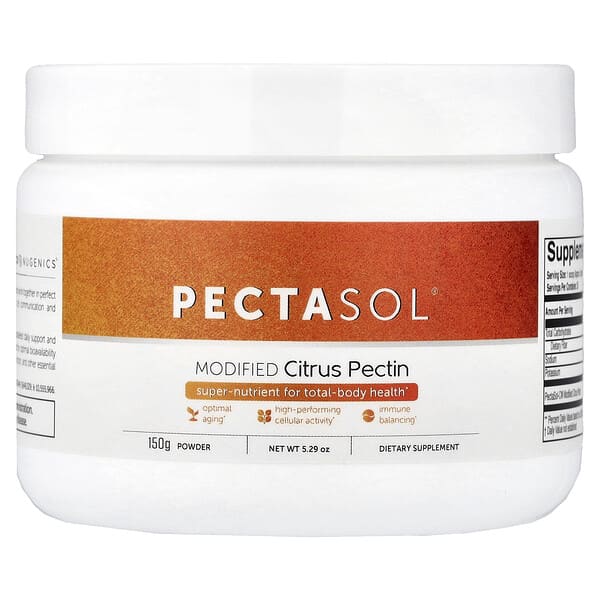
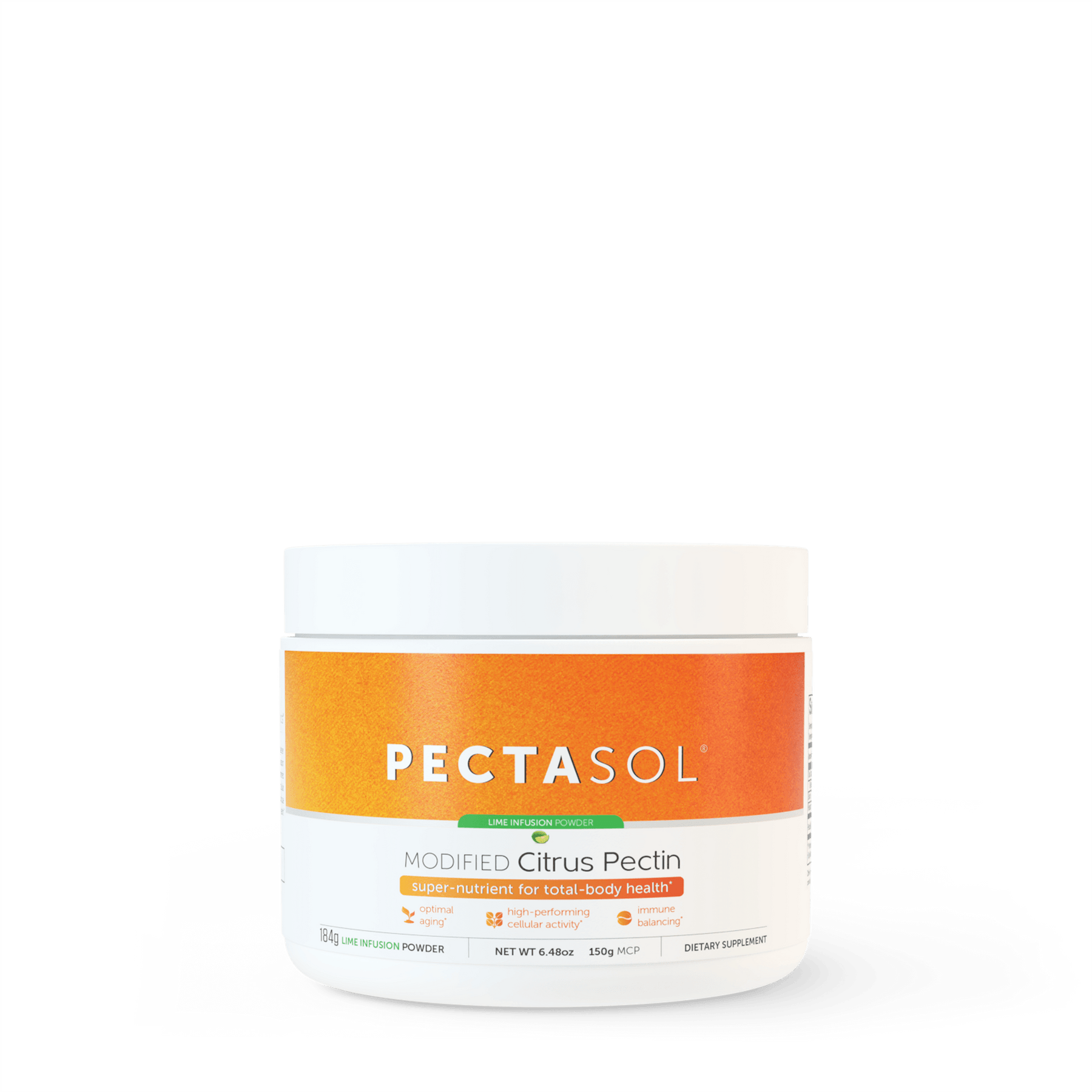
PectaSol Modified Citrus Pectin Chewables (Tangerine Infusion)
6 Tablets · 60 servings · $1.07/serving
Best for
Ingredients (3)
Potassium
100%Dose
210 mg
Target
99–500 mg
Form
—
PectaSol-C Modified Citrus Pectin
40%Dose
2400 mg
Target
6000–15000 mg
Form
—
Dietary Fiber
15%Dose
1.5 g
Target
10–30 g
Form
—
Nutrition
Calories, macros & sodium.
- Sodium90 mg
Other Ingredients (6)
ErythritolSweetener
Witkowski et al. 2023 (Nature Medicine, PMID 36849732) reported elevated plasma erythritol associated with major adverse cardiovascular events (MACE) in two cohorts (n=4,000+), with in-vitro and ex-vivo evidence of enhanced platelet aggregation. Replication is ongoing; FDA and EFSA have not changed their safety positions, but the signal is real and the additive is purely cosmetic. Better-established concern: GI tolerance — single doses above ~50 g cause osmotic diarrhea. Lower threshold for children.
SorbitolSweetener
A FODMAP sugar alcohol that may trigger GI discomfort (bloating, gas) in individuals with IBS or sorbitol malabsorption, even at small amounts found in supplements. Avoided in low-FODMAP diets.
Silicon DioxideAnti-caking
Fine silica powder used to prevent clumping
Citric AcidAcidulant
Natural acid derived from citrus fruits
Natural Tangerine FlavorFlavor
A natural flavoring derived from tangerine to mask supplement taste
Stearic AcidLubricant
Saturated fatty acid used as tablet lubricant
How to Take It
Take it anytime
Take with food — potassium salts on an empty stomach commonly cause nausea.
With food
Keep it away from medication and mineral supplements
On the label
Take 6 tablets daily.
General guidance based on the ingredients, not a substitute for the label or your doctor.
Price Check
$64.00
Pricier than 94% of 118 hydration supplements
Track this supplement in your stack
Get personalized insights, interactions, and coverage recommendations.
Get Started FreeSimilar Supplements
Sources & Scoring
Nutrient data (RDA, UL, and safety thresholds) sourced from the NIH Office of Dietary Supplements and the National Academies Dietary Reference Intakes (DRI).
This is not medical advice. Consult a healthcare provider before making changes to your supplement routine.
The score analyzes what's on the label: ingredient doses vs. studied ranges, chemical forms, evidence levels, and known interactions. It does not verify label accuracy or test for contaminants — for that, look for third-party certifications like USP or NSF.