This men's probiotic delivers 50 billion CFU across 15 strains of **Lactobacillus** and **Bifidobacterium** for digestive support — a live-culture count that sits comfortably in the clinically studied range. But probiotic benefits are strain-specific, not a CFU numbers game: what matters is whether a particular strain has evidence for a particular outcome, and this blend spreads its count across 15 species rather than concentrating on one well-studied strain.
The strongest probiotic evidence is narrow — strains like L. acidophilus and B. lactis have backing for antibiotic-associated diarrhea and certain IBS symptoms, not broad gut-and-immune wellness. The "Men's" label is mostly marketing; there's little sex-specific probiotic research, so this performs much like any well-built multi-strain blend.
One genuine plus: it's shelf-stable with no refrigeration required, so the cultures stay viable at room temperature, and one capsule a day keeps it simple.
BioStacksAsk AI about this product 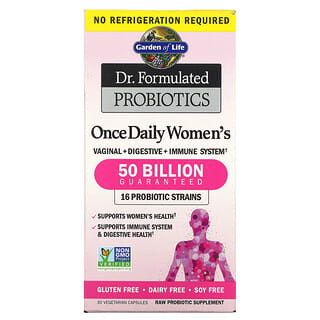
Garden of Life Dr. Formulated Probiotics
Once Daily Men's 50 Billion Guaranteed
1 Capsule · 30 servings
What it does
A combination of 2 label ingredients.
Men's Daily Probiotic Blend
Mixed formsGrade —
Label lists Men's Daily Probiotic Blend (218 mg). Benefit information is limited.
Prebiotic Fiber
Mixed formsGrade —
Label lists Organic Prebiotic Fiber Blend (365 mg). Benefit information is limited.
Ingredients (2)
Other ingredients
Microcrystalline CelluloseBinder
Plant-derived cellulose used as a binder and filler in supplements
Lab testing
How to take it
With food
Keep it away from hot food or drink
Price check
No price yet
What 137 probiotics supplements cost
Similar products
Garden of Life Dr. Formulated Probiotics
Once Daily Women's
🍏 for Digestion
63
NaturesPlus GI Natural
Pro-Biotic Mega
🍏 for Digestion
63
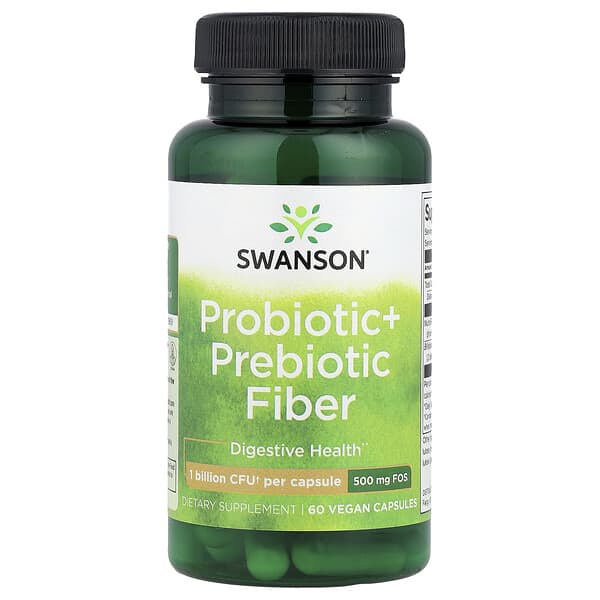
Swanson
Probiotic + Prebiotic Fiber
🍏 for Digestion
59
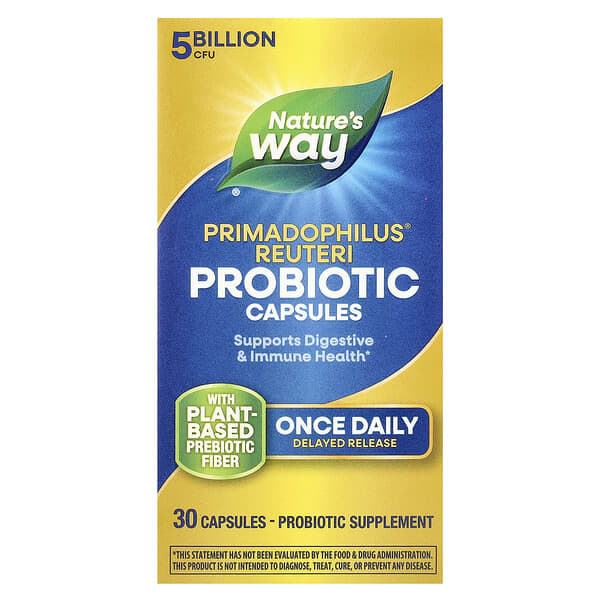
Nature's Way
Primadophilus® Reuteri Probiotic, 5 Billion CFU
🍏 for Digestion
53
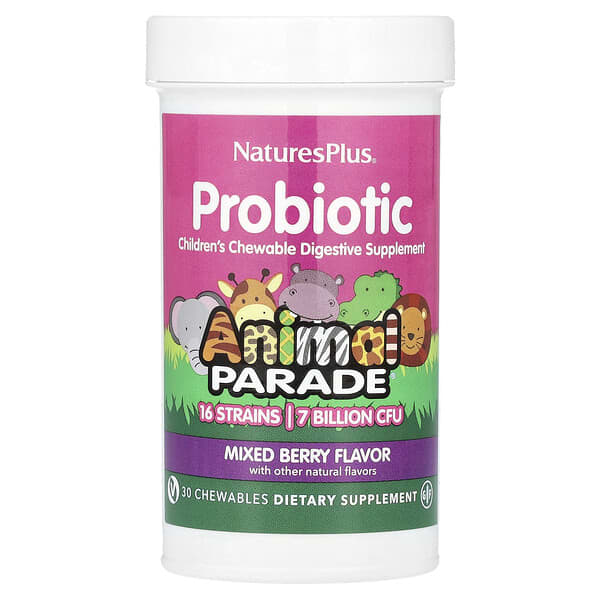
NaturesPlus
Probiotic, Children's Chewable Digestive Supplement, Mixed Berry, 7 Billion CFU
🍏 for Digestion
52
Sources & Scoring
Nutrient data (RDA, UL, and safety thresholds) sourced from the NIH Office of Dietary Supplements and the National Academies Dietary Reference Intakes (DRI).
This is not medical advice. Consult a healthcare provider before making changes to your supplement routine.
The score analyzes what's on the label: ingredient doses vs. studied ranges, chemical forms, evidence levels, and known interactions. It does not verify label accuracy or test for contaminants — for that, look for third-party certifications like USP or NSF.
Not medical advice. Consult your healthcare professional.