BioStacks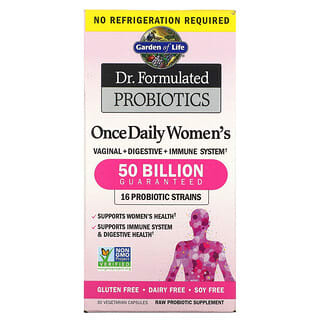
Best for
Ingredients (3)
Microbiome Diversity Boosting Probiotic Blend
100%Dose
115 B CFU
Target
1–100 B CFU
Form
Standard
Specialty-Strain Clinically Backed Probiotic Blend
90%Dose
5 B CFU
Target
1–100 B CFU
Form
Not listed
Prebiotic Fiber Complex
3%Dose
160 mg
Target
5000–10000 mg
Form
—
Other Ingredients (3)
Rice ProteinFiller
Rice-based ingredients carry risk of inorganic arsenic contamination (FDA and Consumer Reports have documented elevated arsenic in rice products). Used as a cheap filler. Incomplete amino acid profile adds no meaningful protein benefit at excipient doses.
Silicon DioxideAnti-caking
Fine silica powder used to prevent clumping
Microcrystalline CelluloseBinder
Plant-derived cellulose used as a binder and filler in supplements
How to Take It
Best taken in the morning
Spore-forming strains survive stomach acid natively — food timing isn't a concern with these, and they tolerate heat far better than ordinary strains.
With or without food
On the label
Directions: As a dietary supplement, take 1 capsule daily or as directed by your healthcare professional.
General guidance based on the ingredients, not a substitute for the label or your doctor.
Price Check
No price yet
What 137 probiotics supplements cost
Track this supplement in your stack
Get personalized insights, interactions, and coverage recommendations.
Get Started FreeSimilar Supplements
Garden of Life Dr. Formulated Probiotics
Once Daily Men's 50 Billion Guaranteed
🍏 for Digestion
63
Garden of Life Dr. Formulated Probiotics
Once Daily Women's
🍏 for Digestion
63
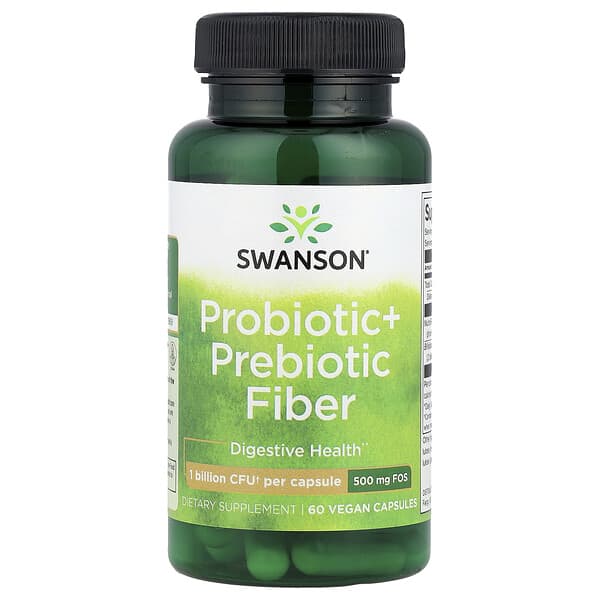
Swanson
Probiotic + Prebiotic Fiber
🍏 for Digestion
59
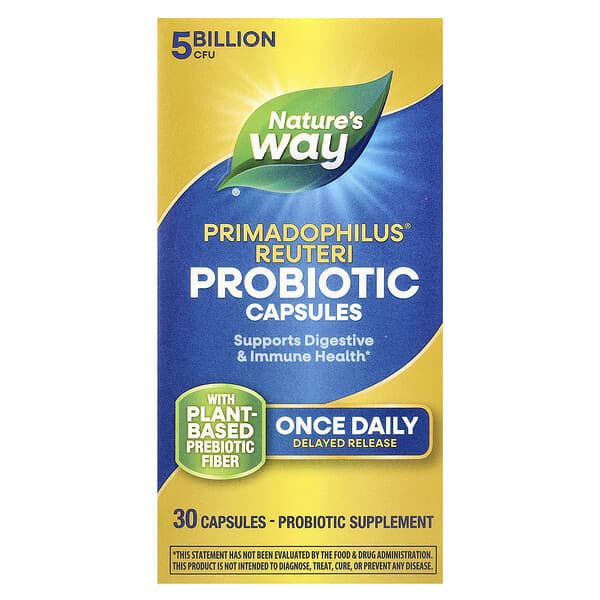
Nature's Way
Primadophilus® Reuteri Probiotic, 5 Billion CFU
🍏 for Digestion
53
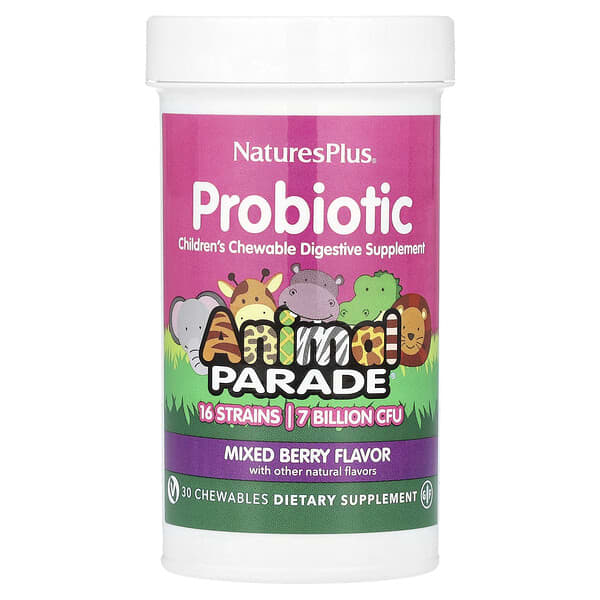
NaturesPlus
Probiotic, Children's Chewable Digestive Supplement, Mixed Berry, 7 Billion CFU
🍏 for Digestion
52
Sources & Scoring
Nutrient data (RDA, UL, and safety thresholds) sourced from the NIH Office of Dietary Supplements and the National Academies Dietary Reference Intakes (DRI).
This is not medical advice. Consult a healthcare provider before making changes to your supplement routine.
The score analyzes what's on the label: ingredient doses vs. studied ranges, chemical forms, evidence levels, and known interactions. It does not verify label accuracy or test for contaminants — for that, look for third-party certifications like USP or NSF.