BioStacks
Best for
Ingredients (12)
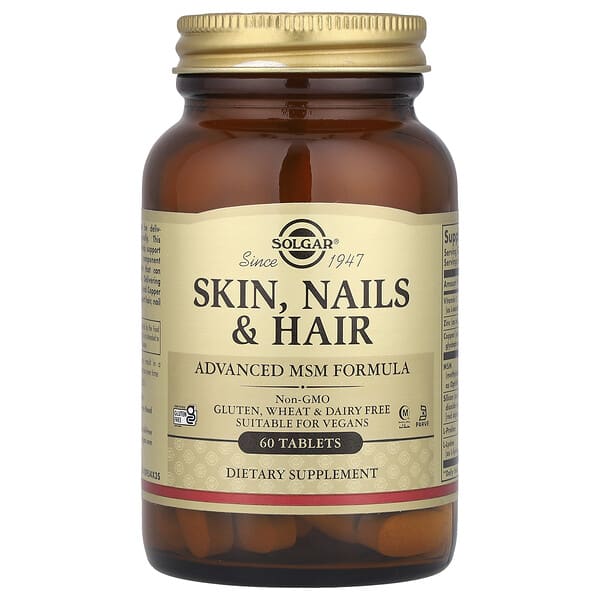
Methyl Sulphonyl Methane
45%Dose
450 mg
Target
1000–3000 mg
Form
—
Zinc
33%Dose
5 mg
Target
15–30 mg
Form
Not listed
Vitamin C
12%Dose
30 mg
Target
250–2000 mg
Form
Not listed
Copper
25%Dose
250 mcg
Target
1000–2000 mcg
Form
Not listed
Glucosamine HCl
18%Dose
180 mg
Target
1000–1500 mg
Form
—
Other Ingredients (16)
Sodium BorateBuffer
Classified as a Substance of Very High Concern (SVHC) under EU REACH for reproductive toxicity (Category 1B — may damage fertility and the unborn child). EFSA's tolerable upper intake from total boron exposure is 10 mg/day for adults; sodium borate dosing must stay well below this. Acute oral toxicity is moderate (lethal dose ~5–20 g in adults), but the chronic-exposure reproductive endpoint is the binding constraint. Largely phased out of modern supplements and personal care in favor of safer buffers (citrate, phosphate). If a current product lists sodium borate, the inclusion warrants scrutiny — there are safer alternatives for every excipient function it provides.
Coating (unspecified)Coating
Generic tablet coating declaration where the label does not itemize the coating's components; modern aqueous film coatings are typically cellulose-based (HPMC) with a plasticizer
Copper CitrateMineral Source
A citrate salt of copper used as a copper source.
GingerHerbal Extract
Rhizome of Zingiber officinale; bioactives include gingerols and shogaols. Clinical evidence supports use for nausea (pregnancy, chemotherapy, motion sickness) and modest anti-inflammatory effects
Magnesium StearateLubricant
A salt of stearic acid used as a lubricant in tablet and capsule production
KelpFood
Dried brown seaweed used as a whole-food source of iodine and trace minerals.
Lithothamnion CalcareaFiller
Calcified red seaweed used as a whole-food tablet base and natural calcium/magnesium source (common in food-based multivitamin lines)
Silicon DioxideAnti-caking
Fine silica powder used to prevent clumping
How to Take It
Take it anytime
No evidence a formula this broad works better at any particular hour. Take it with food — the zinc in it is what makes this kind of product feel nauseating on an empty stomach.
With food
Space it a couple of hours from Iron and Calcium
On the label
Take 1-4 tablets a day, with meals, building gradually, or as your health professional advises. Do not exceed recommended daily intake.
General guidance based on the ingredients, not a substitute for the label or your doctor.
Price Check
No price yet
What 54 glucosamine sulfate supplements cost
Track this supplement in your stack
Get personalized insights, interactions, and coverage recommendations.
Get Started FreeSimilar Supplements
Sources & Scoring
Nutrient data (RDA, UL, and safety thresholds) sourced from the NIH Office of Dietary Supplements and the National Academies Dietary Reference Intakes (DRI).
This is not medical advice. Consult a healthcare provider before making changes to your supplement routine.
The score analyzes what's on the label: ingredient doses vs. studied ranges, chemical forms, evidence levels, and known interactions. It does not verify label accuracy or test for contaminants — for that, look for third-party certifications like USP or NSF.