BioStacks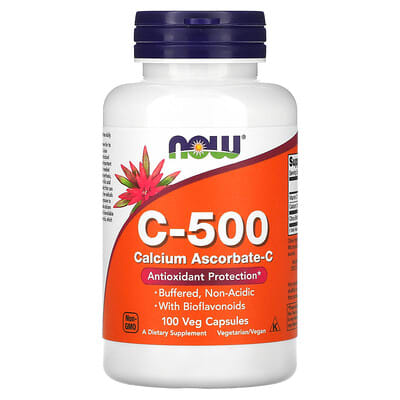
Other Ingredients (7)
Rice HullsAnti-caking
Ground outer husk of rice grains used as a plant-based flow and anti-caking agent
Gum AcaciaBinder
Natural plant gum (acacia) used as a binder, stabilizer, and emulsifier in foods and supplements
HypromelloseCapsule
Plant-derived capsule material from cellulose
Oat FiberFiber
Insoluble dietary fiber from the outer hull or bran of oat grains; primarily cellulose and hemicellulose, low in beta-glucan compared to oat bran soluble fraction
StarchBinder
Carbohydrate polymer used as a binder, filler, and disintegrant in tablets and capsules
Psyllium (seed/husk)Fiber
Natural soluble fiber from Plantago ovata seed husks, widely used as a fiber supplement base
Sunflower Seed OilCarrier
Common vegetable oil from sunflower seeds used as a carrier in softgels for fat-soluble nutrients
How to Take It
Take it anytime
Water-soluble — timing doesn't matter. Split doses above ~500 mg if you want to absorb more of it.
With or without food
On the label
As a dietary supplement, take one capsule daily, preferably with a meal or as directed by a healthcare practitioner.
General guidance based on the ingredients, not a substitute for the label or your doctor.
Price Check
$14.83
Cheaper than 66% of 375 vitamin C supplements
Track this supplement in your stack
Get personalized insights, interactions, and coverage recommendations.
Get Started FreeSimilar Supplements
NOW
C-500 Calcium Ascorbate-C
🛡️ for Immune
80
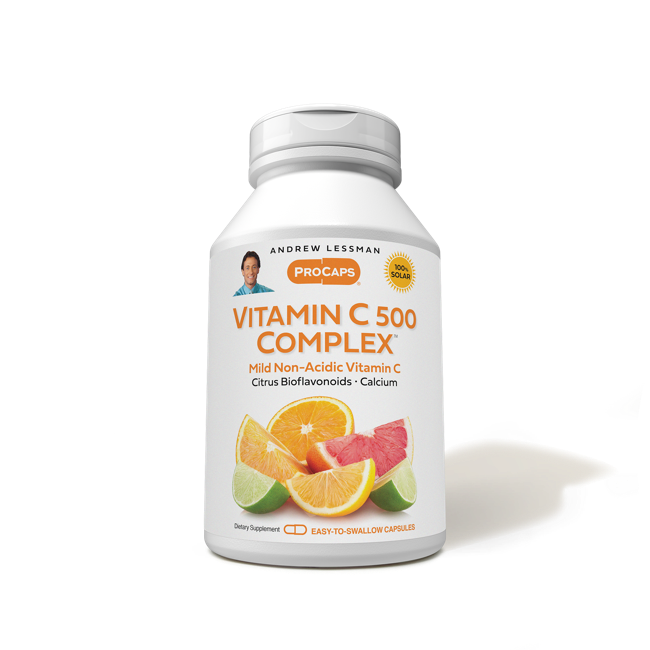
ProCaps
Vitamin C 500 Complex
🛡️ for Immune
77
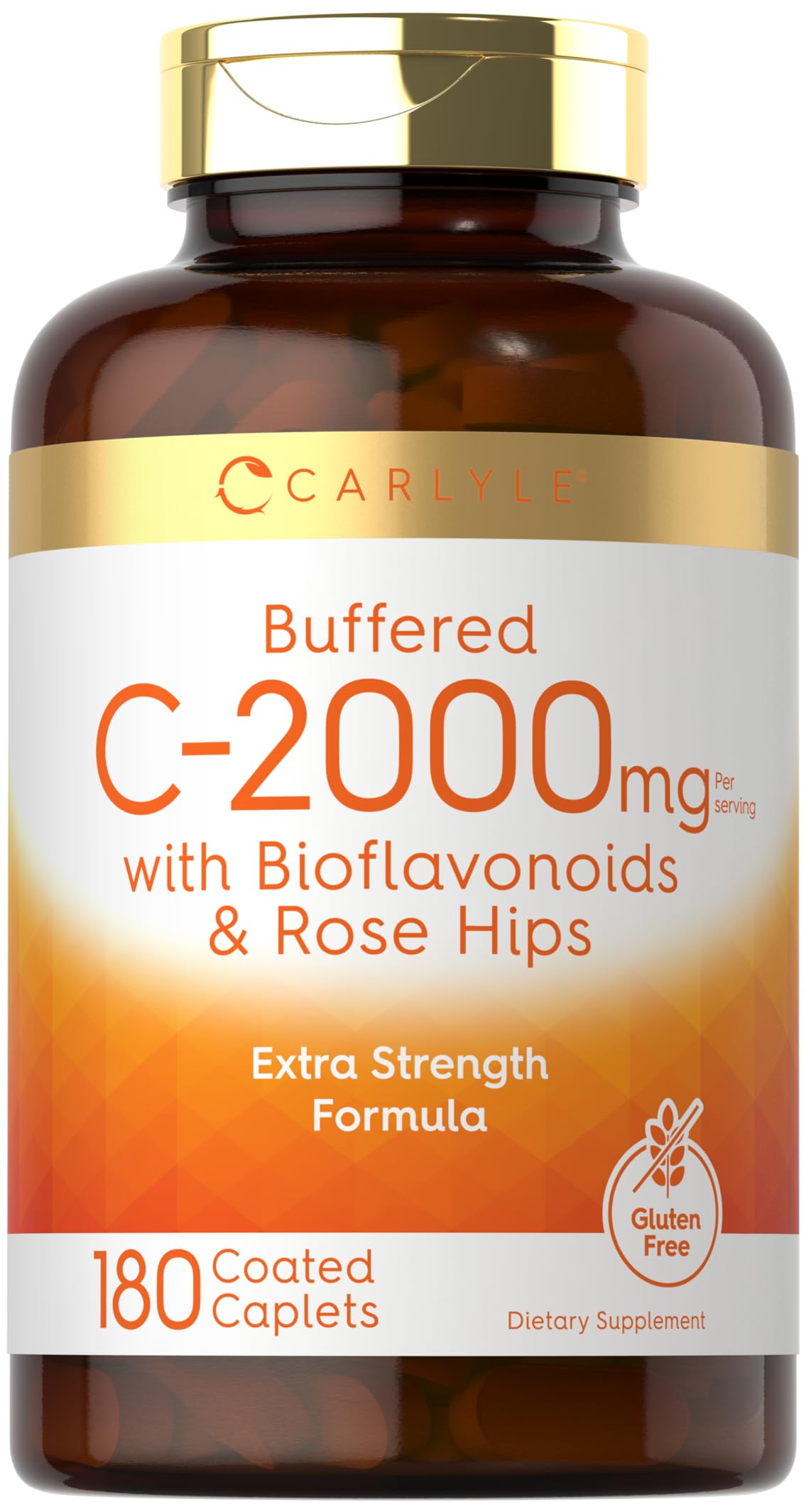
Carlyle
Vitamin C Buffered 2000 mg with Bioflavonoids & Rose Hips
🦷 for Dental
67
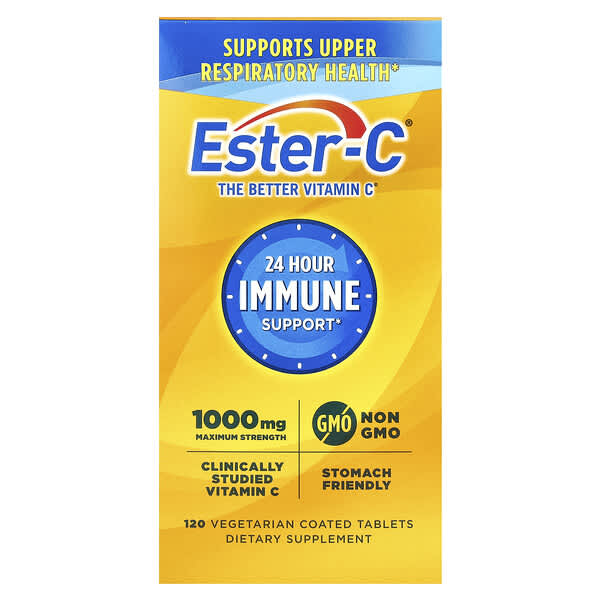
Nature's Bounty
Ester-C®, Maximum Strength, 1,000 mg, 120 Vegetarian Coated Tablets
🛡️ for Immune
63
Jarrow Formulas
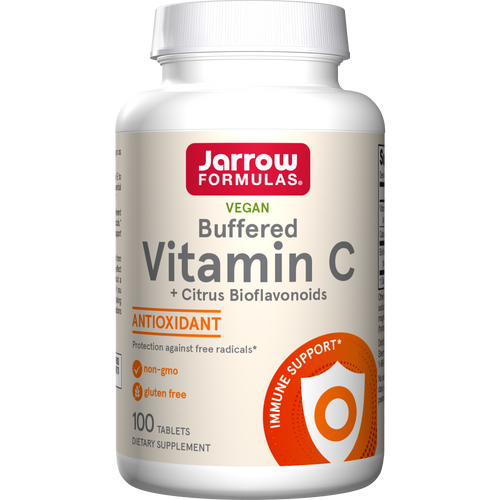
Buffered Vitamin C + Citrus Bioflavonoids 750 mg
🛡️ for Immune
60
Sources & Scoring
Nutrient data (RDA, UL, and safety thresholds) sourced from the NIH Office of Dietary Supplements and the National Academies Dietary Reference Intakes (DRI).
This is not medical advice. Consult a healthcare provider before making changes to your supplement routine.
The score analyzes what's on the label: ingredient doses vs. studied ranges, chemical forms, evidence levels, and known interactions. It does not verify label accuracy or test for contaminants — for that, look for third-party certifications like USP or NSF.