BioStacksAsk AI about this product
What it does
The product name and ingredient list do not agree; purpose cannot be confirmed.
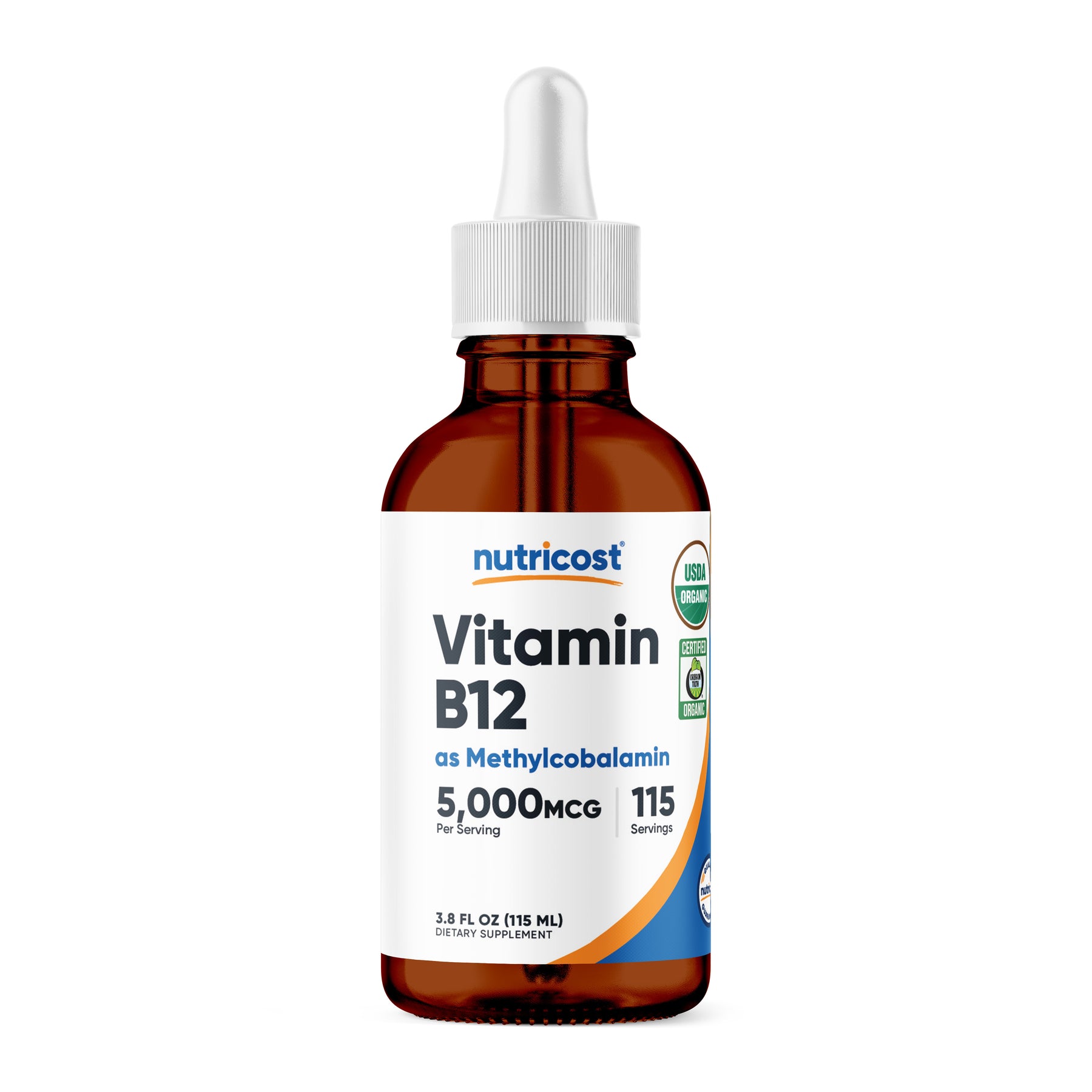
Vitamin B12
methylcobalaminPremium
Label lists Vitamin B12 (5000 mcg). Benefit information is limited.
Ingredients (1)
Other ingredients
SucraloseSweetener
Dose context matters. As a trace excipient in a tablet coating or capsule, the amount is minimal and not a meaningful concern. The evidence below applies to the gram-level intakes typical of sweetened protein powders, pre-workouts, and drink mixes: a 2022 human trial (Suez et al., Cell) showed sucralose disrupts gut bacteria and worsens blood sugar control in healthy adults, and a 2023 study (Schiffman et al.) found that sucralose-6-acetate — a compound formed when sucralose is digested — was genotoxic to human cells in vitro. It remains an artificial sweetener with no nutritional purpose.
MannitolSweetener
A FODMAP sugar alcohol that can cause GI distress (bloating, gas, diarrhea) at higher doses. Supplement amounts are typically small, but individuals with IBS or sugar alcohol sensitivity may react even at low doses.
Magnesium StearateLubricant
A salt of stearic acid used as a lubricant in tablet and capsule production
Natural Cherry FlavorFlavor
A flavoring derived from natural cherry sources
Silicon DioxideAnti-caking
Fine silica powder used to prevent clumping
CrospovidoneDisintegrant
Cross-linked synthetic polymer used as a tablet disintegrant to help tablets break apart quickly in the stomach
Microcrystalline CelluloseBinder
Plant-derived cellulose used as a binder and filler in supplements
Beetroot Juice PowderColorant
Natural red colorant and mild flavoring derived from beetroot; often spray-dried onto maltodextrin carrier
Lab testing
How to take it
With or without food
On the label
As a dietary supplement, dissolve one tablet daily under tongue for 30 seconds, then swallow.
Price check
$21.99
$0.07 / serving
Pricier than 75% of 235 vitamin B12 supplements
Similar products
Sources & Scoring
Nutrient data (RDA, UL, and safety thresholds) sourced from the NIH Office of Dietary Supplements and the National Academies Dietary Reference Intakes (DRI).
This is not medical advice. Consult a healthcare provider before making changes to your supplement routine.
The score analyzes what's on the label: ingredient doses vs. studied ranges, chemical forms, evidence levels, and known interactions. It does not verify label accuracy or test for contaminants — for that, look for third-party certifications like USP or NSF.
Not medical advice. Consult your healthcare professional.