BioStacks
Best for
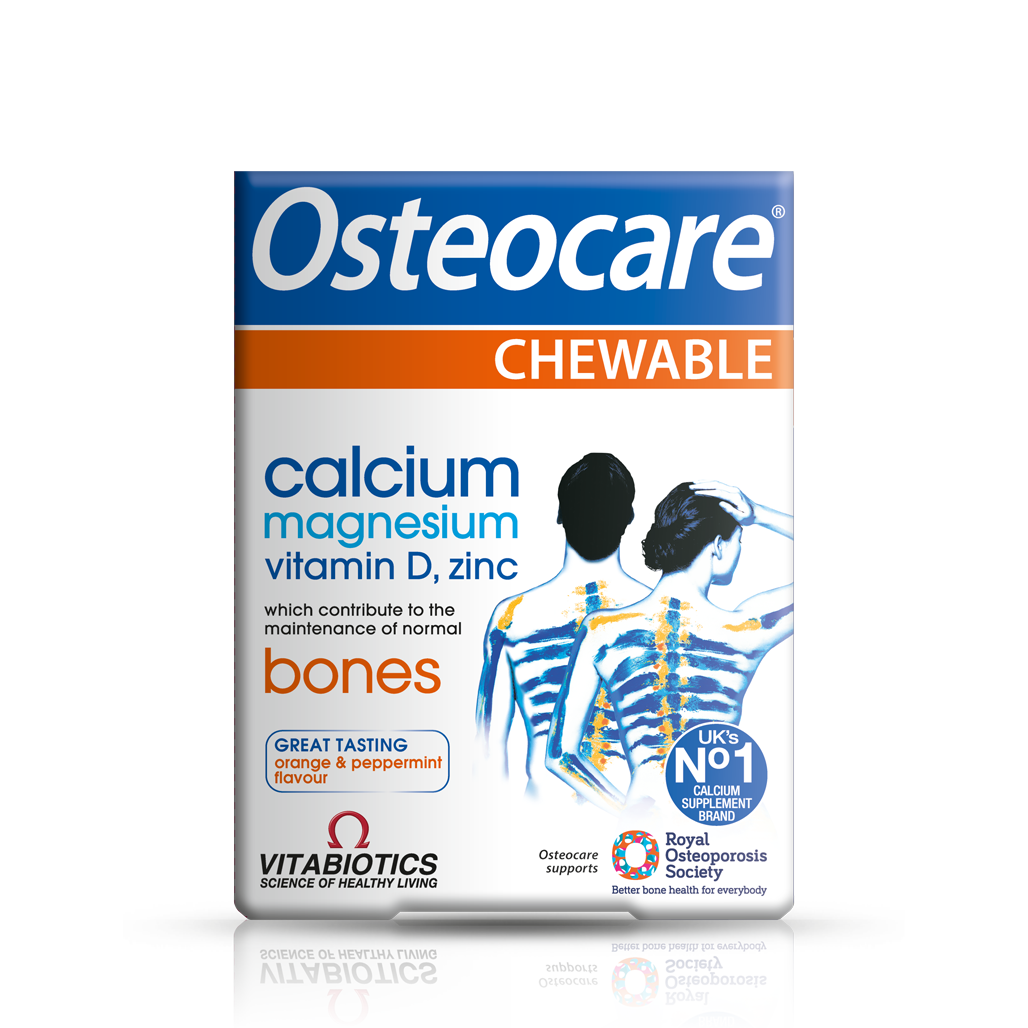
Ingredients (8)
Vitamin B6
100%Dose
10 mg
Target
1.3–25 mg
Form
—
Vitamin D3
80%Dose
800 IU
Target
1000–5000 IU
Form
Premium
Calcium
100%Dose
500 mg
Target
200–600 mg
Form
Not listed
Copper
100%Dose
1000 mcg
Target
1000–2000 mcg
Form
Not listed
Zinc
67%Dose
10 mg
Target
15–30 mg
Form
Not listed
Other Ingredients (13)
Magnesium OxideMineral Source
An inorganic magnesium salt used as a magnesium source or bulking mineral.
Magnesium StearateLubricant
A salt of stearic acid used as a lubricant in tablet and capsule production
Silicon DioxideAnti-caking
Fine silica powder used to prevent clumping
GlycineAmino Acid
Non-essential amino acid; smallest of the 20 proteinogenic amino acids. Mildly sweet taste — sometimes used as a low-glycemic flavor modifier in addition to its bioactive role
Calcium CarbonateBuffer
Common calcium salt used as a buffering agent, filler, or mineral fortification in supplements
Microcrystalline CelluloseBinder
Plant-derived cellulose used as a binder and filler in supplements
Microcrystalline CelluloseBinder
Plant-derived cellulose used as a binder and filler in supplements
CholecalciferolVitamin
Vitamin D3 added in trace amounts for fortification in protein powders and other supplements
How to Take It
Best taken in the morning
The Vitamin B6 in it is what pulls this toward the morning. Take it with a meal containing fat — the vitamin D in it absorbs poorly without one.
With a meal containing fat
Keep it away from high-oxalate foods like spinach
Space it a couple of hours from Iron
On the label
Suggested Use: Take two (2) tablets daily, preferably with a meal.
General guidance based on the ingredients, not a substitute for the label or your doctor.
Price Check
No price yet
What 798 multivitamins cost
Track this supplement in your stack
Get personalized insights, interactions, and coverage recommendations.
Get Started FreeSimilar Supplements
Sources & Scoring
Nutrient data (RDA, UL, and safety thresholds) sourced from the NIH Office of Dietary Supplements and the National Academies Dietary Reference Intakes (DRI).
This is not medical advice. Consult a healthcare provider before making changes to your supplement routine.
The score analyzes what's on the label: ingredient doses vs. studied ranges, chemical forms, evidence levels, and known interactions. It does not verify label accuracy or test for contaminants — for that, look for third-party certifications like USP or NSF.