BioStacks
Every active here is dosed below the amount studied to work. See how each one compares in the breakdown below.
Ingredients (1)
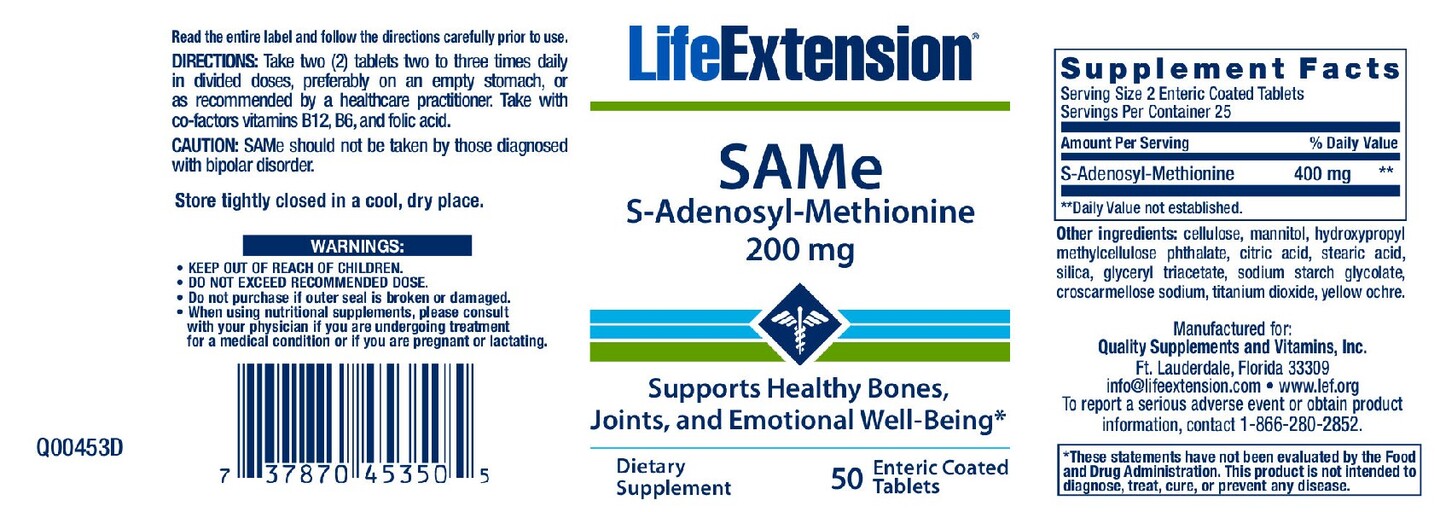
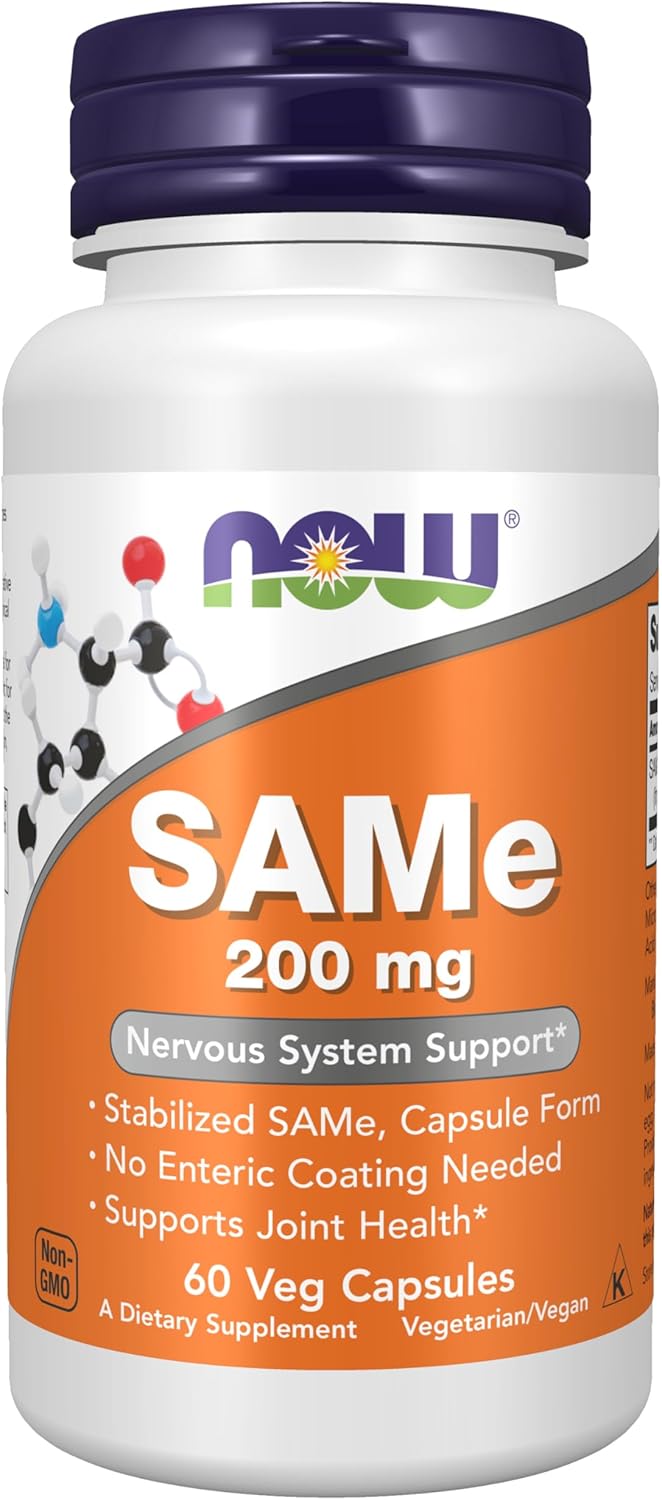
S-Adenosyl-Methionine
25%Dose
200 mg
Target
800–1600 mg
Form
Not listed
Other Ingredients (11)
Titanium DioxideColorant
Banned in the EU (2022) over concerns that its ultra-fine particles may damage DNA in gut cells. Still allowed in the US. Used only for white coloring — provides no health benefit.
MannitolSweetener
A FODMAP sugar alcohol that can cause GI distress (bloating, gas, diarrhea) at higher doses. Supplement amounts are typically small, but individuals with IBS or sugar alcohol sensitivity may react even at low doses.
Silicon DioxideAnti-caking
Fine silica powder used to prevent clumping
Yellow OchreColorant
Natural iron-oxide mineral pigment used to color tablet coatings and capsule shells a yellow-tan hue
Microcrystalline CelluloseBinder
Plant-derived cellulose used as a binder and filler in supplements
Citric AcidAcidulant
Natural acid derived from citrus fruits
Croscarmellose SodiumDisintegrant
Cross-linked cellulose derivative used as a superdisintegrant
TriacetinPlasticizer
Glycerol triacetate used as a plasticizer in film coats and a flavor carrier
How to Take It
Best taken in the morning
Take in the morning on an empty stomach — it can be activating and may disturb sleep later in the day.
On an empty stomach
Space it a couple of hours from 5-HTP
On the label
Take one (1) tablet one to six times daily in divided doses, preferably on an empty stomach, or as recommended by a healthcare practitioner. Take with co-factors vitamins B12, B6, and folic acid.
Do not combine with St. John's Wort
Each of these raises serotonin activity on top of St. John's Wort, and together they can trigger serotonin syndrome — agitation, rapid heartbeat, raised blood pressure. Not without medical supervision.
General guidance based on the ingredients, not a substitute for the label or your doctor.
Price Check
No price yet
What 24 SAMe supplements cost
Track this supplement in your stack
Get personalized insights, interactions, and coverage recommendations.
Get Started FreeSimilar Supplements
Sources & Scoring
Nutrient data (RDA, UL, and safety thresholds) sourced from the NIH Office of Dietary Supplements and the National Academies Dietary Reference Intakes (DRI).
This is not medical advice. Consult a healthcare provider before making changes to your supplement routine.
The score analyzes what's on the label: ingredient doses vs. studied ranges, chemical forms, evidence levels, and known interactions. It does not verify label accuracy or test for contaminants — for that, look for third-party certifications like USP or NSF.