BioStacksAsk AI about this product
What it does
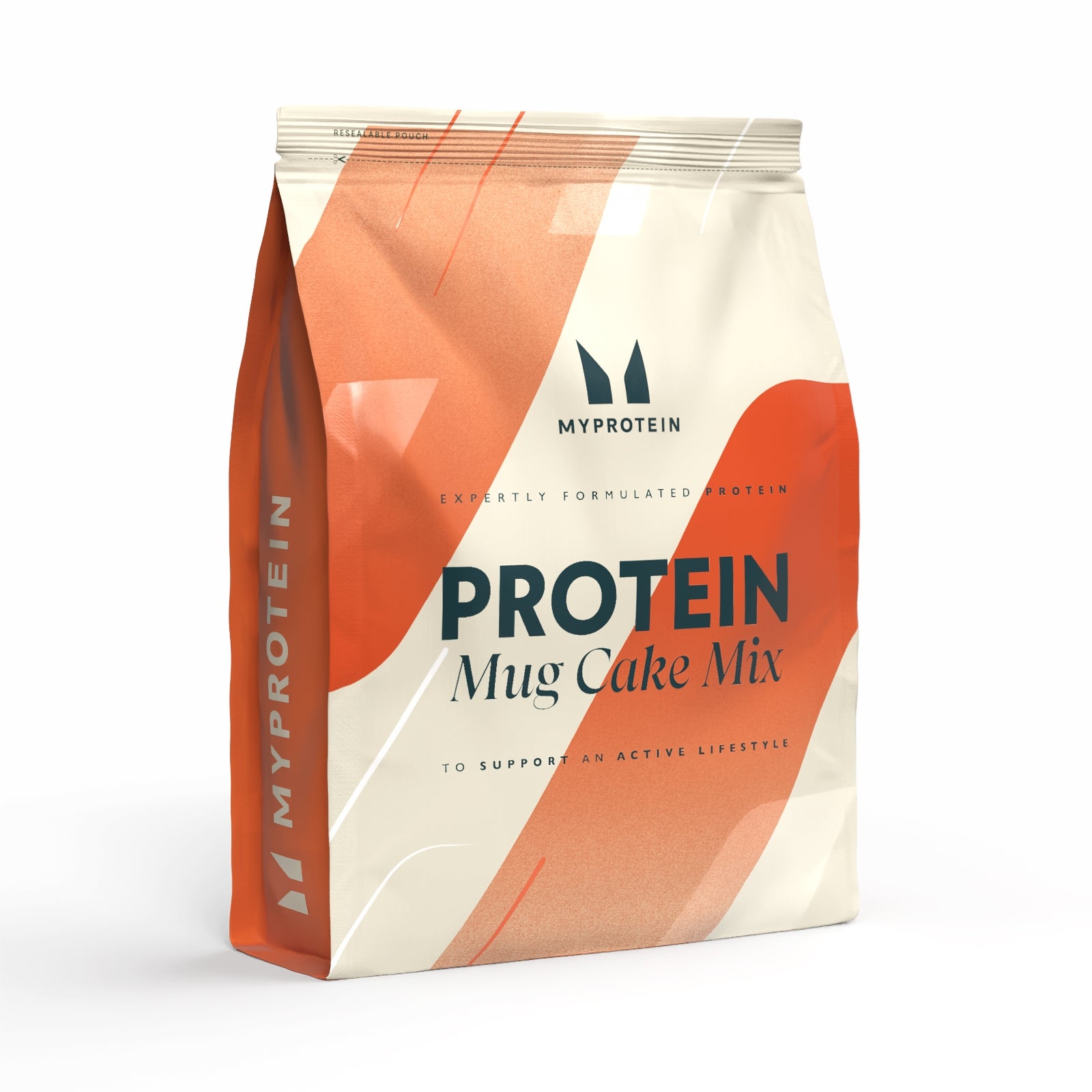
A protein formula with Dietary Protein.
Dietary Protein
Form not confirmedGrade —
Supplies amino acids for muscle maintenance and repair; adequate total protein supports adaptation to resistance training.
Ingredients (2)
Nutrition
Calories, macros & sodium.
- Sodium92 mg
Other ingredients
Glucose SyrupSweetener
High glycemic load; source typically corn (generally gluten-free)
Glucose SyrupSweetener
High glycemic load; source typically corn (generally gluten-free)
Rice FlourFiller
Rice-based ingredients carry risk of inorganic arsenic contamination (FDA and Consumer Reports). Rice accumulates arsenic from soil at higher rates than other grains. Used as a cheap filler — adds nothing beneficial.
SucroseSweetener
Added sugars and high glycemic load; dental caries risk
MaltitolSweetener
Worst GI tolerance of the common sugar alcohols — laxative effect at doses above ~10–15 g/serving in many adults; threshold is lower in children. Glycemic index (~52) is significantly higher than erythritol (0) or xylitol (~7) — meaningful blood glucose impact at typical serving sizes. The 'sugar-free' marketing claim masks real metabolic effects when consumed in quantity.
DextroseSweetener
A simple glucose sugar used as a bulking agent, sweetener, and tablet diluent
Wildflower HoneySweetener
A natural sweetener and humectant produced by bees, used in syrups and lozenges
Natural FlavorsFlavor
Broad regulatory category of flavor constituents derived from natural sources. Composition is proprietary and not disclosed — 'Natural Flavors' can include several hundred different compounds depending on the target flavor profile, including hexane-extracted constituents and proprietary carrier solvents. 'Natural' is a regulatory definition (21 CFR §101.22), not a safety guarantee.
Lab testing
How to take it
With food
Keep it away from medication and mineral supplements
On the label
Consume as a high protein snack, as and when required. This product is intended to be used alongside a varied and balanced diet and a healthy lifestyle.
Price check
£6.49≈ $8.24 USD
£1.08 / serving
Cheaper than 89% of 65 fiber supplements
Similar products
Sources & Scoring
Nutrient data (RDA, UL, and safety thresholds) sourced from the NIH Office of Dietary Supplements and the National Academies Dietary Reference Intakes (DRI).
This is not medical advice. Consult a healthcare provider before making changes to your supplement routine.
The score analyzes what's on the label: ingredient doses vs. studied ranges, chemical forms, evidence levels, and known interactions. It does not verify label accuracy or test for contaminants — for that, look for third-party certifications like USP or NSF.
Not medical advice. Consult your healthcare professional.