BioStacksAsk AI about this product
What it does
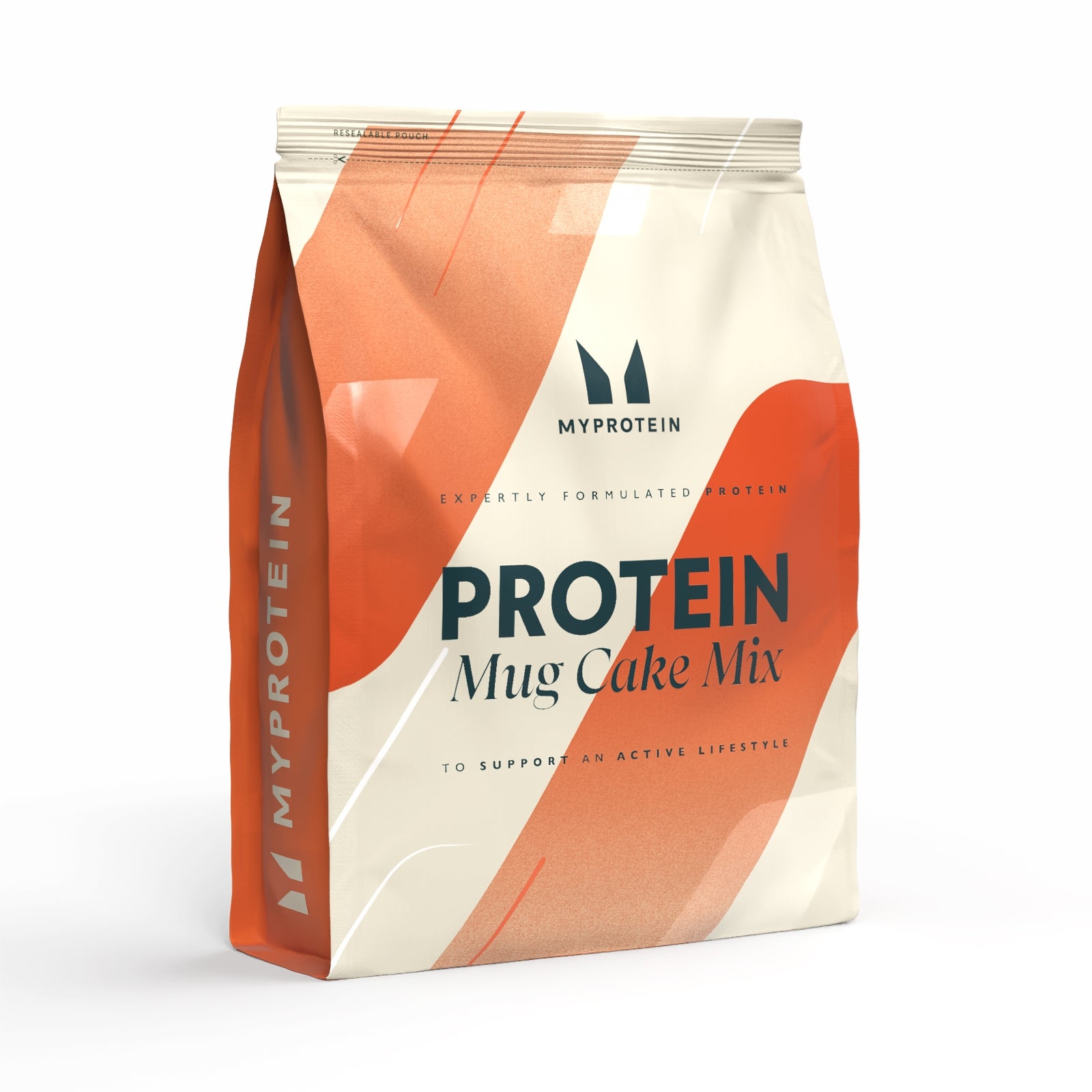
A protein formula with Dietary Protein.
Dietary Protein
Form not confirmedGrade —
Label lists Dietary Protein (16 g). Benefit information is limited.
Ingredients (2)
Nutrition
Calories, macros & sodium.
- Sodium288 mg
Other ingredients
Rice ProteinFiller
Rice-based ingredients carry risk of inorganic arsenic contamination (FDA and Consumer Reports have documented elevated arsenic in rice products). Used as a cheap filler. Incomplete amino acid profile adds no meaningful protein benefit at excipient doses.
FructoseSweetener
Added free fructose is metabolized in the liver and at habitual intake is linked to elevated triglycerides, hepatic fat accumulation, and insulin resistance; an avoidable sugar load with no supplement benefit.
MaltitolSweetener
Worst GI tolerance of the common sugar alcohols — laxative effect at doses above ~10–15 g/serving in many adults; threshold is lower in children. Glycemic index (~52) is significantly higher than erythritol (0) or xylitol (~7) — meaningful blood glucose impact at typical serving sizes. The 'sugar-free' marketing claim masks real metabolic effects when consumed in quantity.
MonoglyceridesEmulsifier
Glycerol monoesters of fatty acids used as emulsifiers and processing lubricants
Natural FlavorsFlavor
Broad regulatory category of flavor constituents derived from natural sources. Composition is proprietary and not disclosed — 'Natural Flavors' can include several hundred different compounds depending on the target flavor profile, including hexane-extracted constituents and proprietary carrier solvents. 'Natural' is a regulatory definition (21 CFR §101.22), not a safety guarantee.
Pea Protein Isolate (base)Food
Pea protein isolate used as a protein base or carrier.
CocoaFlavor
Common food ingredient used for chocolate flavoring in supplements
PectinGelling Agent
Plant polysaccharide from citrus peels or apple pomace used to gel pectin-based gummies
Lab testing
How to take it
With food
Keep it away from medication and mineral supplements
On the label
Consume as a high protein snack, as and when required. This product is intended to be used alongside a varied and balanced diet and a healthy lifestyle.
Price check
£17.99≈ $22.85 USD
Pricier than 70% of 65 fiber supplements
Similar products
Sources & Scoring
Nutrient data (RDA, UL, and safety thresholds) sourced from the NIH Office of Dietary Supplements and the National Academies Dietary Reference Intakes (DRI).
This is not medical advice. Consult a healthcare provider before making changes to your supplement routine.
The score analyzes what's on the label: ingredient doses vs. studied ranges, chemical forms, evidence levels, and known interactions. It does not verify label accuracy or test for contaminants — for that, look for third-party certifications like USP or NSF.
Not medical advice. Consult your healthcare professional.