BioStacks
Best for
Ingredients (9)
Biotin
6%Dose
60 mcg
Target
1000–5000 mcg
Form
—
Vitamin B6
4%Dose
1 mg
Target
25–100 mg
Form
—
Vitamin D3
40%Dose
400 IU
Target
1000–5000 IU
Form
Premium
Vitamin C
100%Dose
80 mg
Target
25–200 mg
Form
Not listed
Vitamin B12
2%Dose
4 mcg
Target
250–5000 mcg
Form
Not listed
Other Ingredients (12)
Glucose SyrupSweetener
High glycemic load; source typically corn (generally gluten-free)
SucroseSweetener
Added sugars and high glycemic load; dental caries risk
Fruit Juice (unspecified)Colorant
Juice or juice concentrate used primarily for natural color and flavor in gummies
Medium Chain Triglyceride OilCarrier
Fractionated oils rich in C8/C10 triglycerides used as neutral carrier or anti-sticking agent
Citric AcidAcidulant
Natural acid derived from citrus fruits
Sodium CitrateBuffer
Sodium salt of citric acid used for pH control, tartness, and chelation in gummies
Black CarrotColorant
Natural colorant derived from anthocyanin-rich black carrots, used to provide purple/red color in gummies and chewables
PectinGelling Agent
Plant polysaccharide from citrus peels or apple pomace used to gel pectin-based gummies
How to Take It
Best taken in the morning
The Vitamin B6 in it is what pulls this toward the morning. Take it with a meal containing fat — the vitamins A, D and E in it absorb poorly without one.
With a meal containing fat
On the label
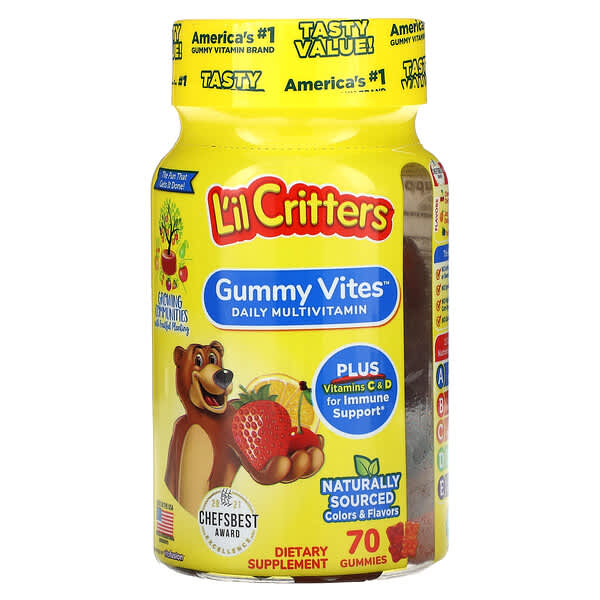
SUGGESTED USE: Consume 2 gummies daily.
General guidance based on the ingredients, not a substitute for the label or your doctor.
Price Check
£10.19≈ $12.94
Cheaper than 89% of 798 multivitamins
Track this supplement in your stack
Get personalized insights, interactions, and coverage recommendations.
Get Started FreeSimilar Supplements
Sources & Scoring
Nutrient data (RDA, UL, and safety thresholds) sourced from the NIH Office of Dietary Supplements and the National Academies Dietary Reference Intakes (DRI).
This is not medical advice. Consult a healthcare provider before making changes to your supplement routine.
The score analyzes what's on the label: ingredient doses vs. studied ranges, chemical forms, evidence levels, and known interactions. It does not verify label accuracy or test for contaminants — for that, look for third-party certifications like USP or NSF.