Nature's Sunshine
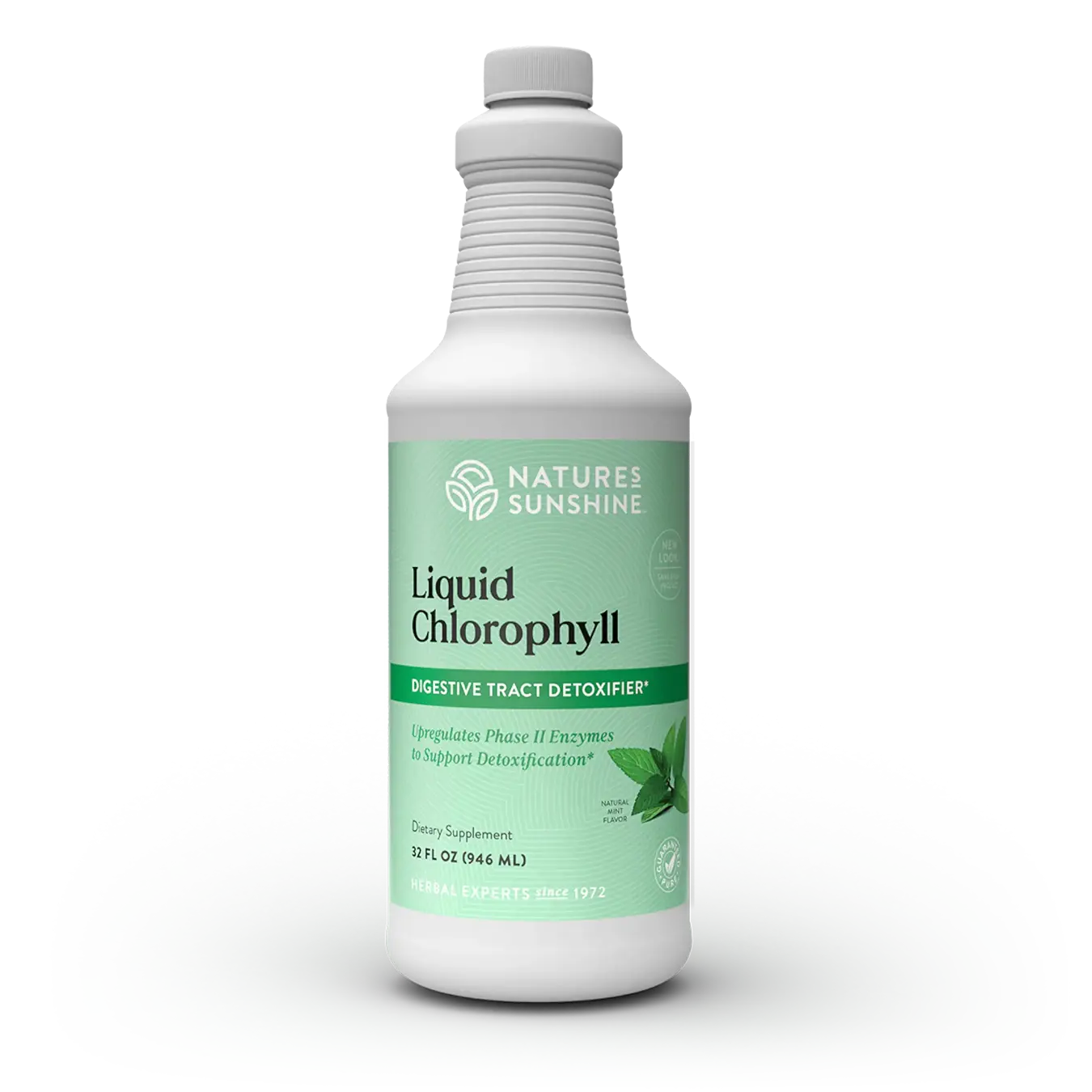
Liquid Chlorophyll (Natural Mint Flavor)
Liquid · 2 Tablespoons (30 M L) · 15 servings
What it does
Chlorophyllin
Form not confirmedGrade —
Reduced an aflatoxin-related DNA-damage marker in high-exposure adults; routine detox or cancer-prevention benefits remain unestablished.
Ingredients (1)
Other ingredients
MethylparabenPreservative
EU Cosmetics Regulation restricts methylparaben + ethylparaben to a combined 0.4% in cosmetics (single paraben) or 0.8% total. Methylparaben shows weak estrogenic activity in vitro (~10,000× weaker than estradiol, but additive with other parabens in mixed exposure). Darbre 2004 detected parabens in breast tumor tissue (mechanism uncertain). EFSA group ADI of 10 mg/kg/day for methyl + ethylparaben combined is conservative — typical supplement exposure is well below — but the additive is purely cosmetic and the paraben class is under sustained regulatory and consumer scrutiny. For supplements where a preservative is needed, lower-concern alternatives (potassium sorbate, sodium benzoate at low pH) are widely available.
Sodium Propyl ParabenPreservative
EFSA Scientific Opinion (2004) withdrew the temporary group ADI for propylparaben and butylparaben because available toxicology data were inadequate to establish a no-observed-adverse-effect-level — propylparaben showed reproductive-toxicity signals in rat studies (decreased sperm/testosterone). EU Cosmetics Regulation banned propylparaben + isopropylparaben + butylparaben + isobutylparaben + pentylparaben from leave-on cosmetics in 2014. Estrogenic activity is ~1,000× weaker than estradiol but bioaccumulates in breast tissue (Darbre 2004, contested but real). FDA's 'safe at current usage' position has not been updated since EU's regulatory action. For a supplement excipient with purely preservative function, safer alternatives are widely available.
Purified WaterSolvent
Water meeting USP specifications used as solvent/vehicle in gummies and liquids
Spearmint Leaf OilFlavor
An essential oil from spearmint leaves used for flavor and scent
Lab testing
How to take it
With or without food
On the label
Take 2 tablespoons (30 mL) in an 8 fl oz glass of cold water daily.
Similar products
Sources & Scoring
Nutrient data (RDA, UL, and safety thresholds) sourced from the NIH Office of Dietary Supplements and the National Academies Dietary Reference Intakes (DRI).
This is not medical advice. Consult a healthcare provider before making changes to your supplement routine.
The score analyzes what's on the label: ingredient doses vs. studied ranges, chemical forms, evidence levels, and known interactions. It does not verify label accuracy or test for contaminants — for that, look for third-party certifications like USP or NSF.
Not medical advice. Consult your healthcare professional.