BioStacks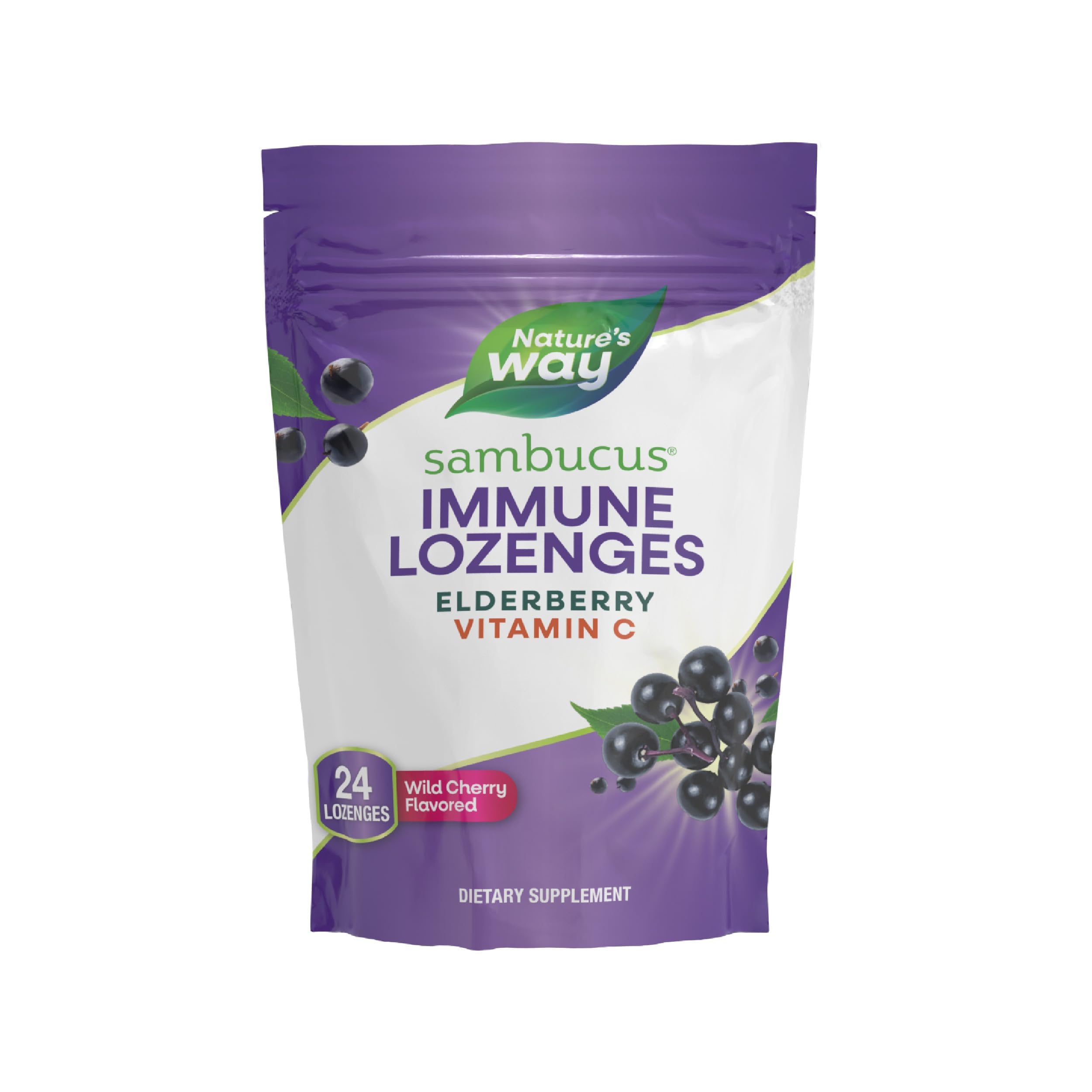
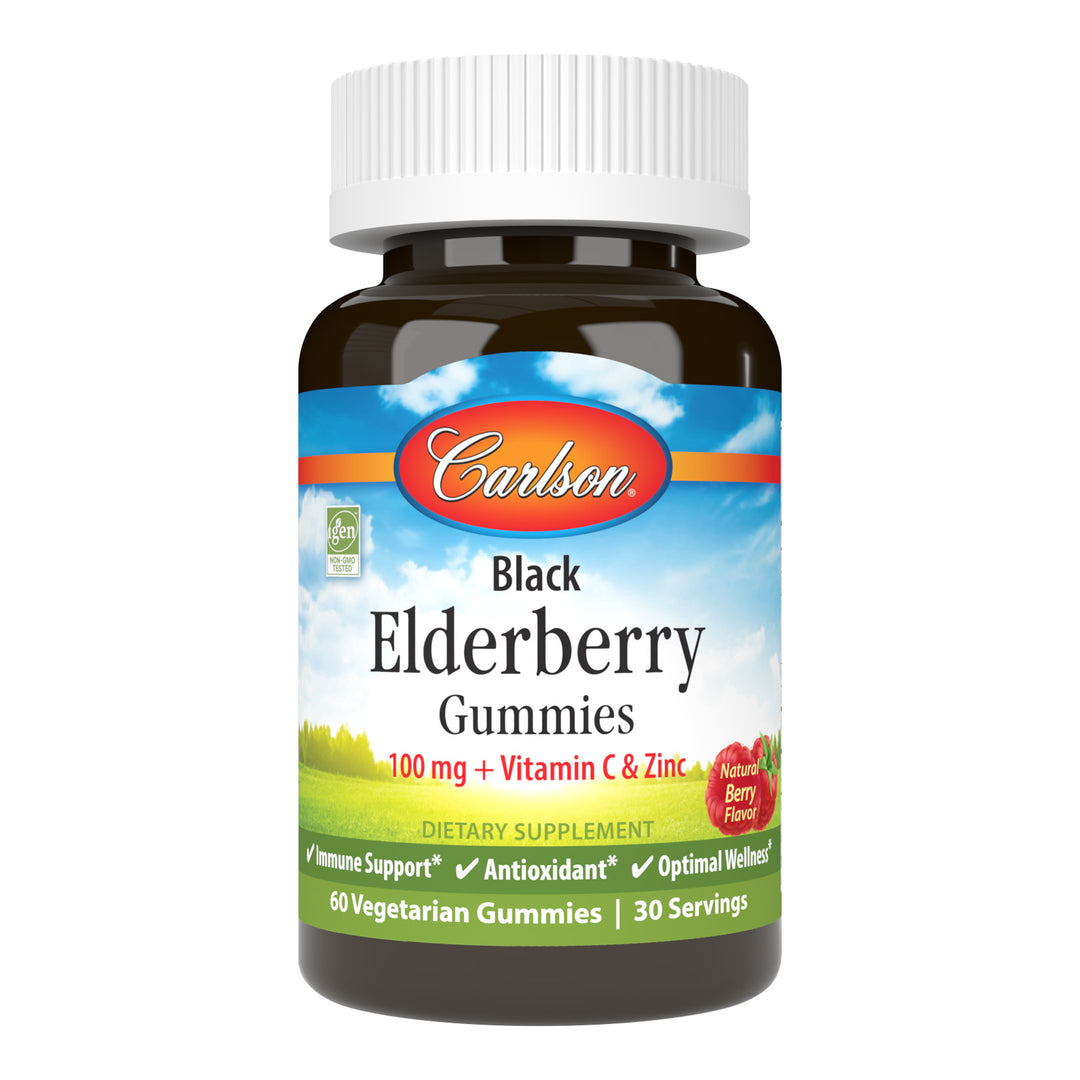
Best for
Ingredients (2)
Vitamin C
100%Dose
1000 mg
Target
250–2000 mg
Form
Budget
organic Black Elder extract
17%Dose
50 mg
Target
300–600 mg
Form
—
Nutrition
Calories, macros & sodium.
- Sodium100 mg
Other Ingredients (5)
SucroseSweetener
Added sugars and high glycemic load; dental caries risk
Tapioca SyrupSweetener
High glycemic index similar to glucose syrup. Adds significant sugars and calories — often the primary ingredient by weight in gummy supplements. 'Organic' labeling does not change the glycemic impact.
Fruit Juice (unspecified)Colorant
Juice or juice concentrate used primarily for natural color and flavor in gummies
Natural FlavorsFlavor
Broad regulatory category of flavor constituents derived from natural sources. Composition is proprietary and not disclosed — 'Natural Flavors' can include several hundred different compounds depending on the target flavor profile, including hexane-extracted constituents and proprietary carrier solvents. 'Natural' is a regulatory definition (21 CFR §101.22), not a safety guarantee.
Peppermint OilFlavor
Essential oil distilled from peppermint (Mentha piperita) leaves.
How to Take It
Take it anytime
Water-soluble — timing doesn't matter. Split doses above ~500 mg if you want to absorb more of it.
With or without food
On the label
Adults and children 14 years of age and older, take up to 4 lozenges throughout the day.
General guidance based on the ingredients, not a substitute for the label or your doctor.
Price Check
$5.99
Cheaper than 98% of 375 vitamin C supplements
Track this supplement in your stack
Get personalized insights, interactions, and coverage recommendations.
Get Started FreeSimilar Supplements
Nature's Way
Sambucus Vitamin C Lozenges (Wild Cherry)
🛡️ for Immune
49
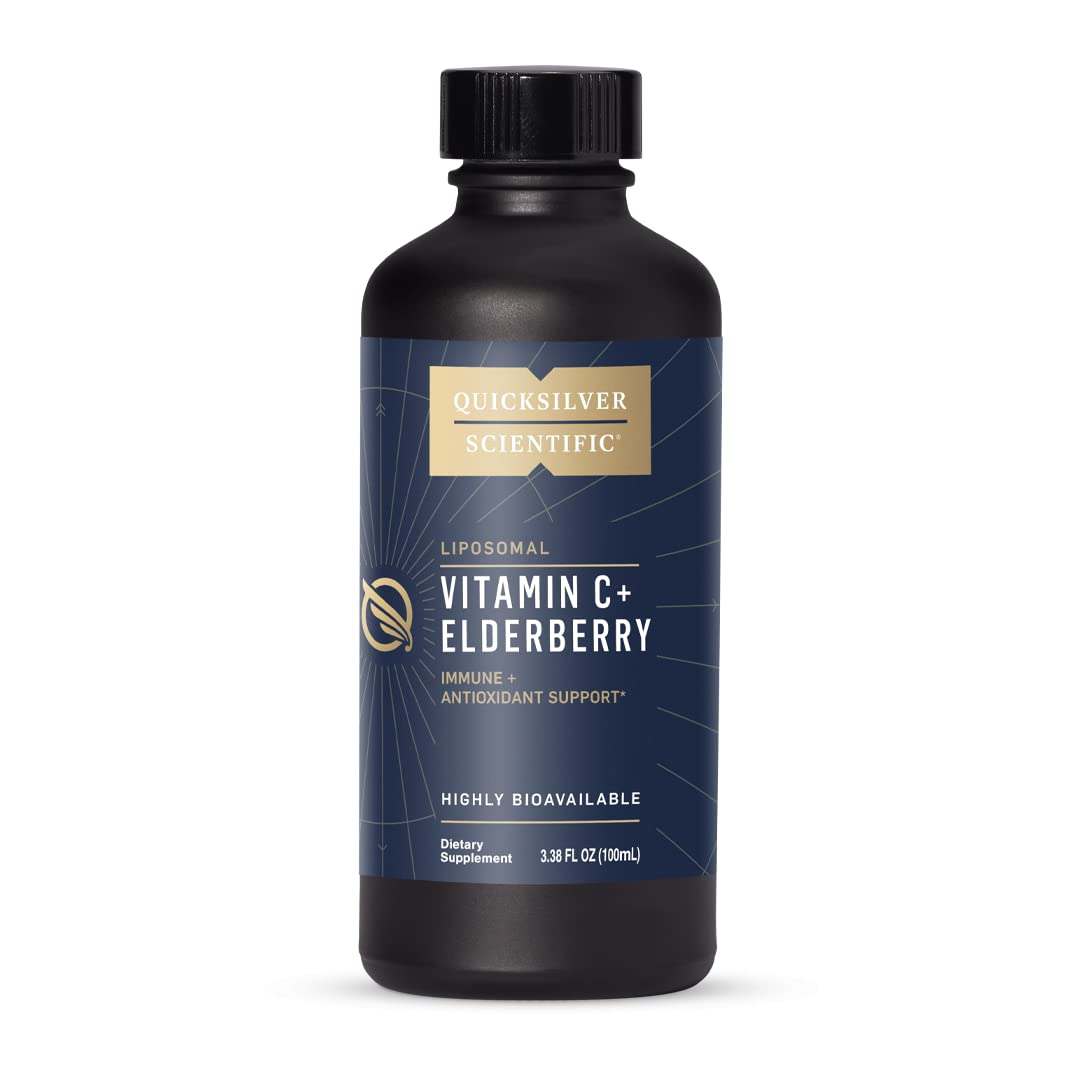
Quicksilver Scientific
Liposomal Vitamin C+ Elderberry
🛡️ for Immune
56
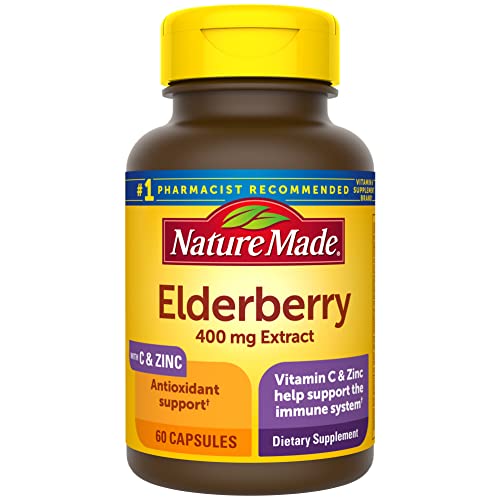
Nature Made
Elderberry 400mg
🛡️ for Immune
50
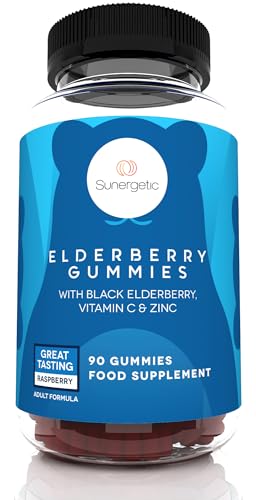
Sunergetic
Elderberry Gummies Raspberry
🛡️ for Immune
33
Carlson
Black Elderberry Gummies (Natural Berry Flavor)
🛡️ for Immune
27
Sources & Scoring
Nutrient data (RDA, UL, and safety thresholds) sourced from the NIH Office of Dietary Supplements and the National Academies Dietary Reference Intakes (DRI).
This is not medical advice. Consult a healthcare provider before making changes to your supplement routine.
The score analyzes what's on the label: ingredient doses vs. studied ranges, chemical forms, evidence levels, and known interactions. It does not verify label accuracy or test for contaminants — for that, look for third-party certifications like USP or NSF.