NeoCell's Grassfed Collagen Peptides gives you 6g of **collagen** per serving — a genuine clinical dose for skin, landing right in the 2.5–10g range studied for improving elasticity, hydration, and wrinkle depth. The peptides are hydrolyzed from grassfed bovine, a well-absorbed form, so the headline ingredient actually delivers on what the label promises. The catch is the serving size: you'll swallow six tablets a day to get there.
Paired with it is 60mg of **vitamin C**, which your body actually needs to build collagen — it switches on the enzymes that knit new collagen fibers together. That gives the vitamin C a real job here, though 60mg is a modest amount: it covers that supporting role but sits well below the 250mg you'd want if you were taking vitamin C on its own for antioxidant or immune benefits.
The formula also includes 5,000mcg of **biotin**, marketed for hair and nails. It's dosed at the top of the typical supplemental range, but it's worth knowing that no clinical trials show biotin improves hair, skin, or nails in people who aren't actually deficient. One practical heads-up: at 5,000mcg, biotin can skew lab results — including thyroid, hormone, and cardiac panels — so stop taking it about 72 hours before any bloodwork.
BioStacks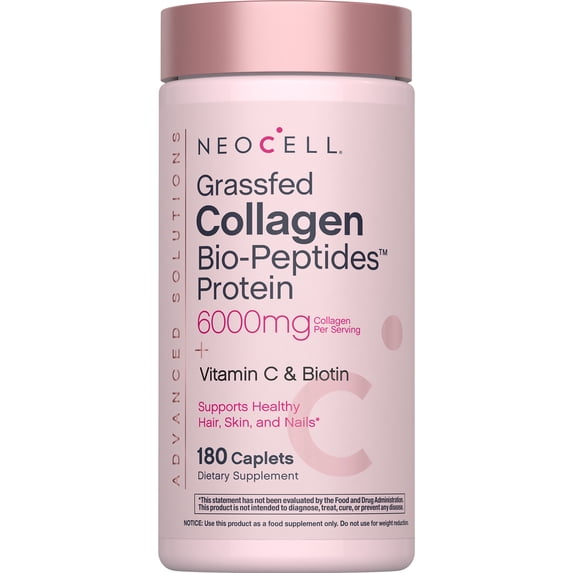
Other Ingredients (1)
Magnesium StearateLubricant
A salt of stearic acid used as a lubricant in tablet and capsule production
How to Take It
Take it anytime
Timing doesn't matter — daily consistency over weeks is what moves outcomes.
With or without food
On the label
To boost your inner beauty, we suggest taking six (6) tablets daily.
General guidance based on the ingredients, not a substitute for the label or your doctor.
Price Check
$15.37
Near the median of 375 vitamin C supplements
Track this supplement in your stack
Get personalized insights, interactions, and coverage recommendations.
Get Started FreeSimilar Supplements
Vital Vitamins
Multi Collagen Complex Plus
✨ for Skin
49
NeoCell
Grassfed Collagen Bio-Peptides Protein 6000 mg
✨ for Skin
69
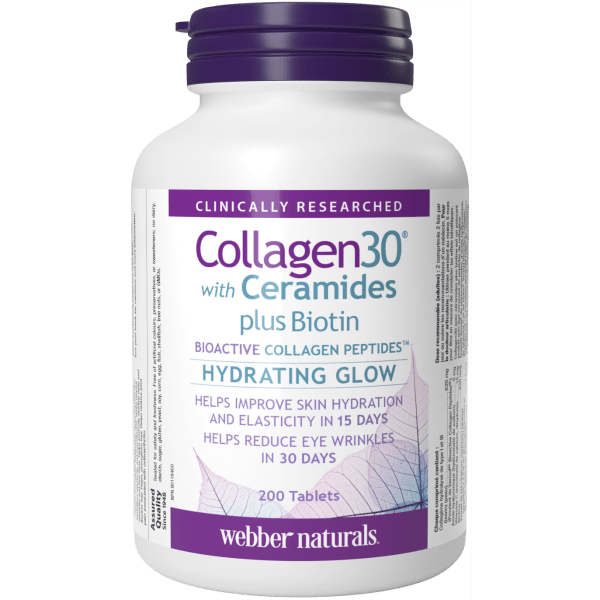
Webber Naturals
Collagen30 with Ceramides plus Biotin
✨ for Skin
69
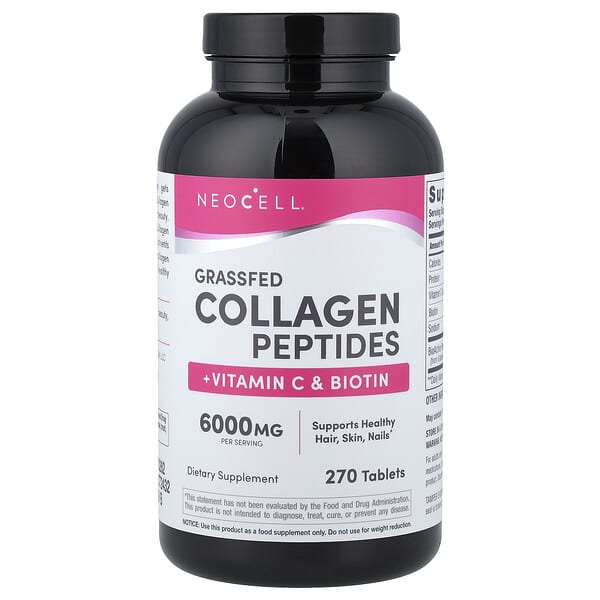
NeoCell
Grassfed Collagen Peptides + Vitamin C & Biotin, 270 Tablets
✨ for Skin
68
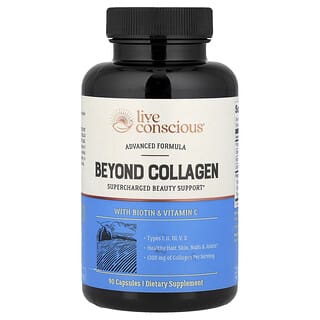
Live Conscious
Beyond Collagen, with Biotin & Vitamin C, 90 Capsules
✨ for Skin
67
Sources & Scoring
Nutrient data (RDA, UL, and safety thresholds) sourced from the NIH Office of Dietary Supplements and the National Academies Dietary Reference Intakes (DRI).
This is not medical advice. Consult a healthcare provider before making changes to your supplement routine.
The score analyzes what's on the label: ingredient doses vs. studied ranges, chemical forms, evidence levels, and known interactions. It does not verify label accuracy or test for contaminants — for that, look for third-party certifications like USP or NSF.