BioStacks
Ingredients (3)
DHA
100%Dose
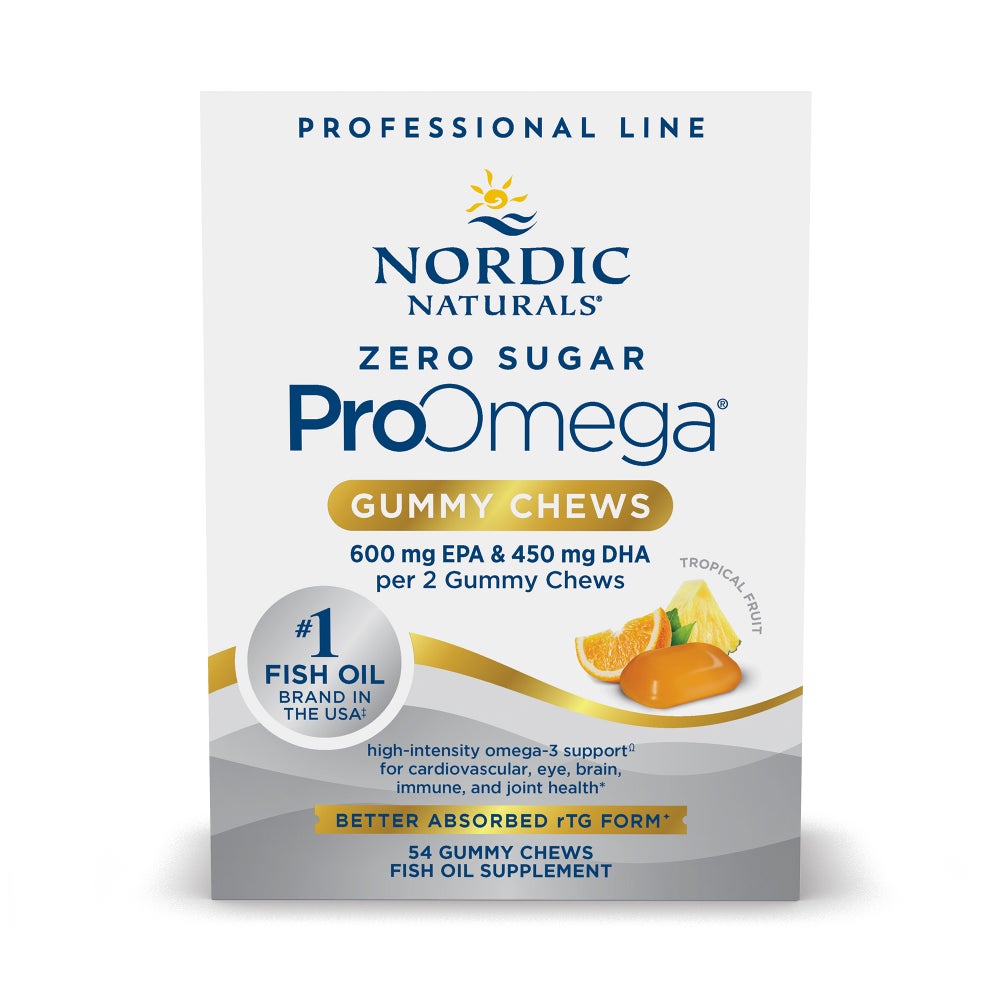
450 mg
Target
250–1000 mg
Form
—
EPA
100%Dose
600 mg
Target
500–2000 mg
Form
—
Total Omega-3s
100%Dose
1200 mg
Target
1000–3000 mg
Form
Not listed
Nutrition
Calories, macros & sodium.
- Sodium20 mg
Other Ingredients (13)
ErythritolSweetener
Witkowski et al. 2023 (Nature Medicine, PMID 36849732) reported elevated plasma erythritol associated with major adverse cardiovascular events (MACE) in two cohorts (n=4,000+), with in-vitro and ex-vivo evidence of enhanced platelet aggregation. Replication is ongoing; FDA and EFSA have not changed their safety positions, but the signal is real and the additive is purely cosmetic. Better-established concern: GI tolerance — single doses above ~50 g cause osmotic diarrhea. Lower threshold for children.
XylitolSweetener
A FODMAP sugar alcohol that can cause GI distress (bloating, gas, diarrhea) at moderate doses (>10-20g/day), though supplement amounts are typically small. Extremely toxic to dogs — households with pets should store securely.
Paprika OleoresinColorant
Natural orange-red colorant extracted from sweet red peppers (Capsicum annuum); the pigments are capsanthin and capsorubin
Ascorbic AcidAntioxidant
Vitamin C used as an antioxidant preservative in supplements to prevent oxidation
Citric AcidAcidulant
Natural acid derived from citrus fruits
GelatinCapsule
Protein derived from collagen, used in traditional capsule shells
GlycerinHumectant
Sweet-tasting liquid used in soft capsules and liquids
Guar GumThickener
Natural thickener derived from guar beans
How to Take It
Take it anytime
Take with a meal — absorption improves with dietary fat and it prevents fishy burps.
With food
On the label
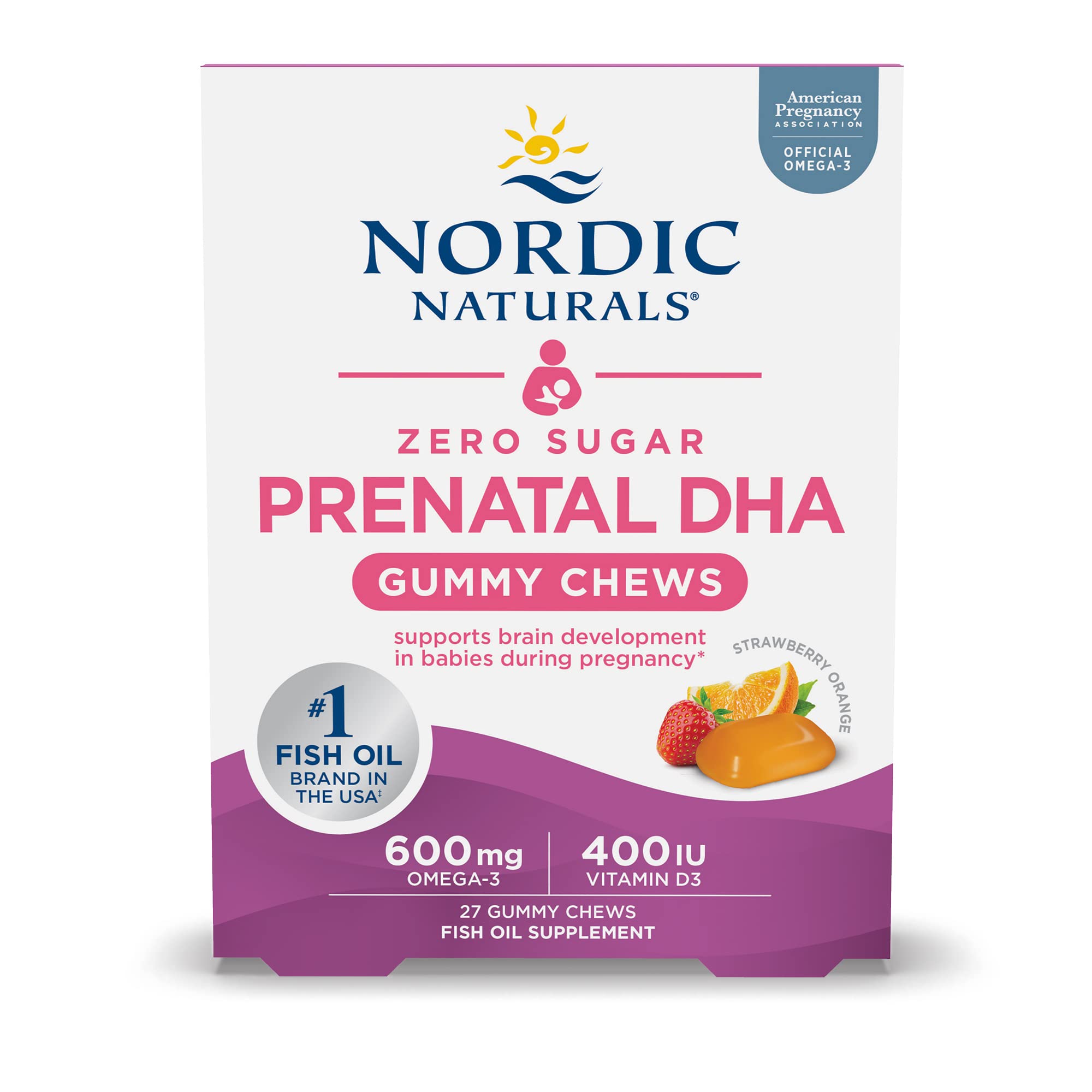
Two gummies daily, with food, or as directed by your health care professional.
General guidance based on the ingredients, not a substitute for the label or your doctor.
Price Check
$35.50
Near the median of 150 heart supplements
Track this supplement in your stack
Get personalized insights, interactions, and coverage recommendations.
Get Started FreeSimilar Supplements
Sources & Scoring
Nutrient data (RDA, UL, and safety thresholds) sourced from the NIH Office of Dietary Supplements and the National Academies Dietary Reference Intakes (DRI).
This is not medical advice. Consult a healthcare provider before making changes to your supplement routine.
The score analyzes what's on the label: ingredient doses vs. studied ranges, chemical forms, evidence levels, and known interactions. It does not verify label accuracy or test for contaminants — for that, look for third-party certifications like USP or NSF.