BioStacks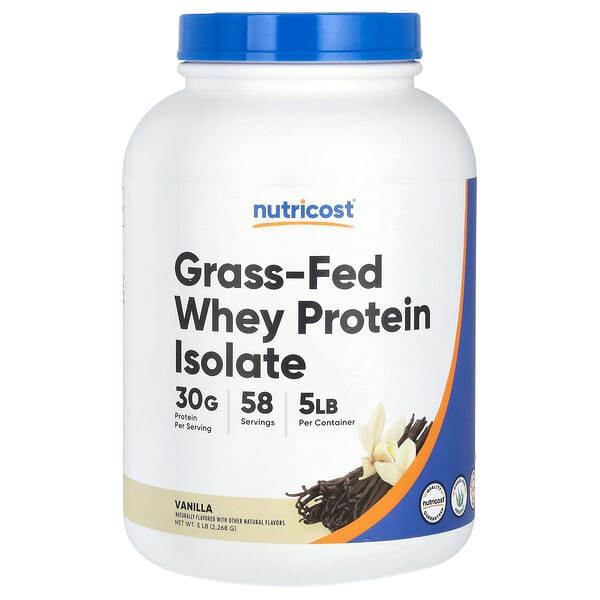
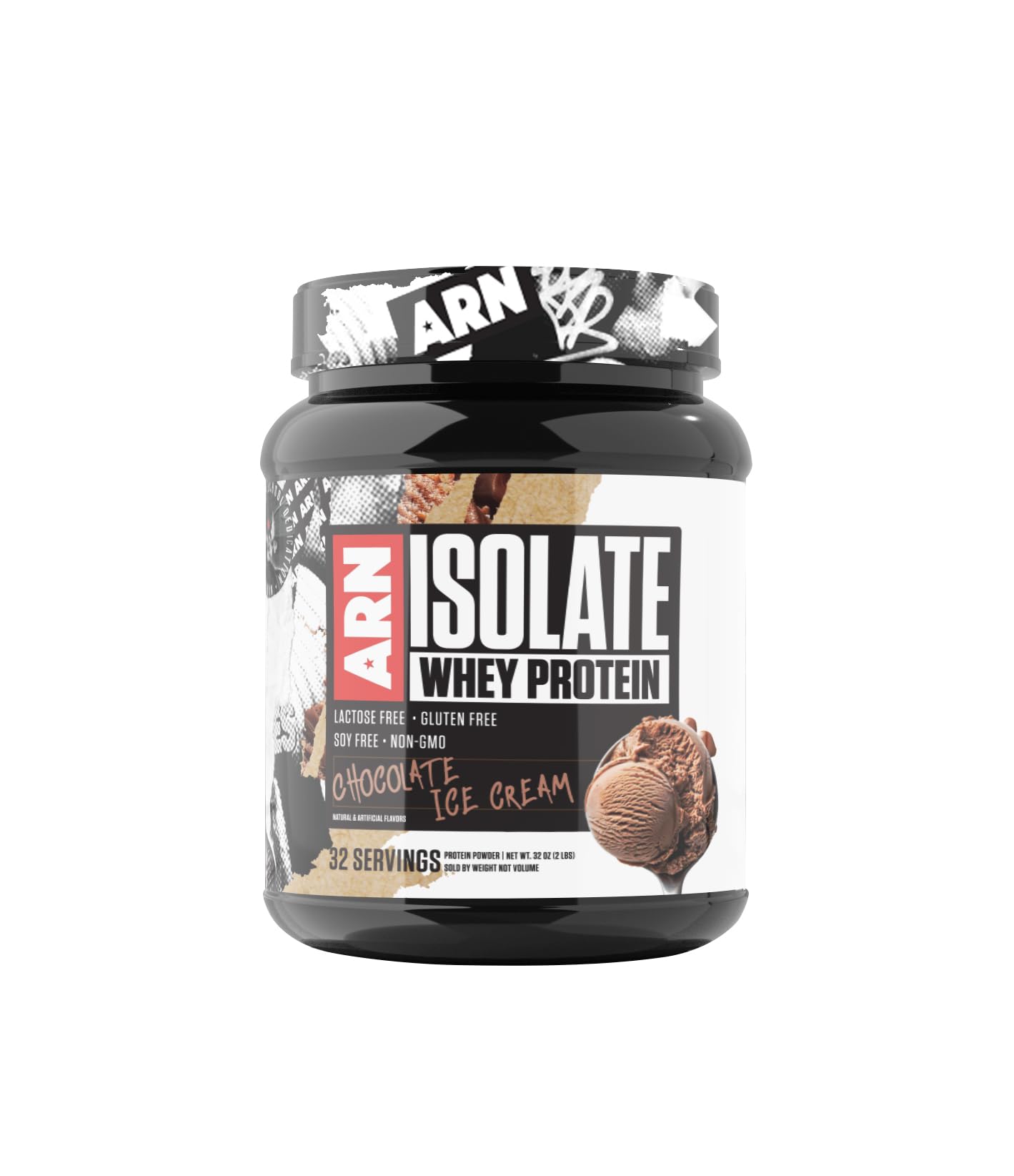
Best for
Ingredients (5)
Whey Protein
100%Dose
30 g
Target
20–30 g
Form
Not listed
Calcium
105 mgTrace amount — not scored
Iron
1 mgTrace amount — not scored
Phosphorus
94 mgTrace amount — not scored
Magnesium
33 mgTrace amount — not scored
Nutrition
Calories, macros & sodium.
- Sodium230 mg
Other Ingredients (5)
SucraloseSweetener
Dose context matters. As a trace excipient in a tablet coating or capsule, the amount is minimal and not a meaningful concern. The evidence below applies to the gram-level intakes typical of sweetened protein powders, pre-workouts, and drink mixes: a 2022 human trial (Suez et al., Cell) showed sucralose disrupts gut bacteria and worsens blood sugar control in healthy adults, and a 2023 study (Schiffman et al.) found that sucralose-6-acetate — a compound formed when sucralose is digested — was genotoxic to human cells in vitro. It remains an artificial sweetener with no nutritional purpose.
Acesulfame PotassiumSweetener
Older NTP rodent studies (1980s, contested) reported lymphoma and leukemia at very high chronic doses; modern reviews (FDA 2003, EFSA 2000) concluded no cancer risk at human exposure levels but the issue is not fully resolved (Mishra 2020 review). Animal evidence suggests gut microbiome disruption (Bian 2017 — male mice on Ace-K showed altered microbiota and metabolic markers). Manufacturing uses methylene chloride, with potential residue concerns. Purely cosmetic additive — risk:benefit unfavorable for supplements.
Natural and Artificial FlavorsFlavor
The 'artificial' component means synthetic chemicals are used, but the exact compounds are proprietary and not disclosed on the label. If you have sensitivities or allergies, you cannot verify what's in it. Products using only natural flavors are more transparent.
Sea SaltFlavor
Basic food-grade salt used for taste in supplements
Sunflower LecithinEmulsifier
Non-GMO, non-allergenic emulsifier derived from sunflower seeds
How to Take It
Take it anytime
Total daily protein is what matters — the post-workout "anabolic window" has not held up in controlled trials.
With or without food
On the label
As a dietary supplement, blend 1-2 scoops with 8-16 ounces of cold water, milk, or your preferred beverage.
General guidance based on the ingredients, not a substitute for the label or your doctor.
Price Check
$39.95
Cheaper than 75% of 119 whey protein supplements
Track this supplement in your stack
Get personalized insights, interactions, and coverage recommendations.
Get Started FreeSimilar Supplements
Nutricost
Grass-Fed Whey Protein Isolate, Vanilla
💪 for Muscle
100
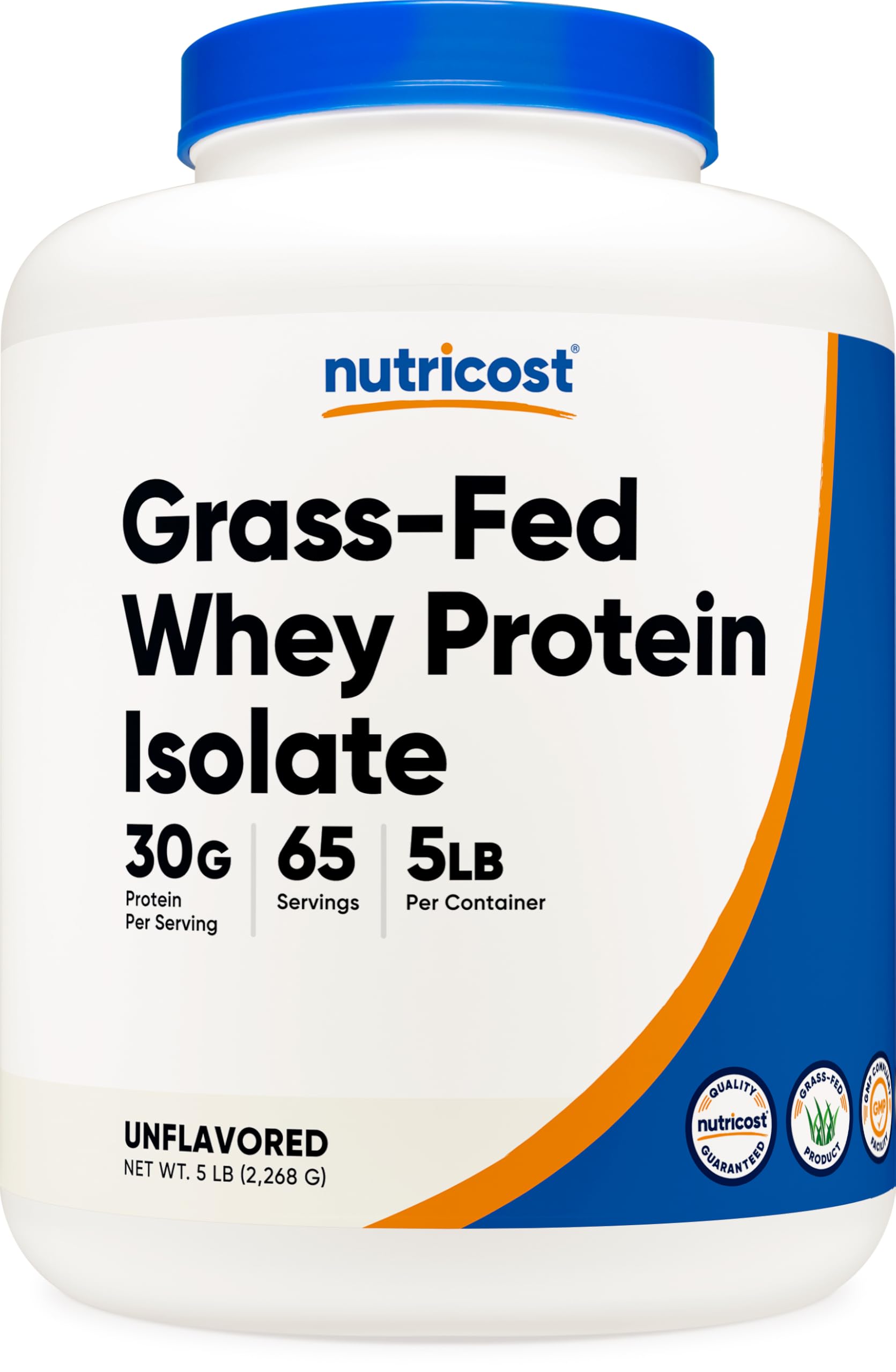
Nutricost
Grass-Fed Whey Protein Isolate (Unflavored)
💪 for Muscle
78
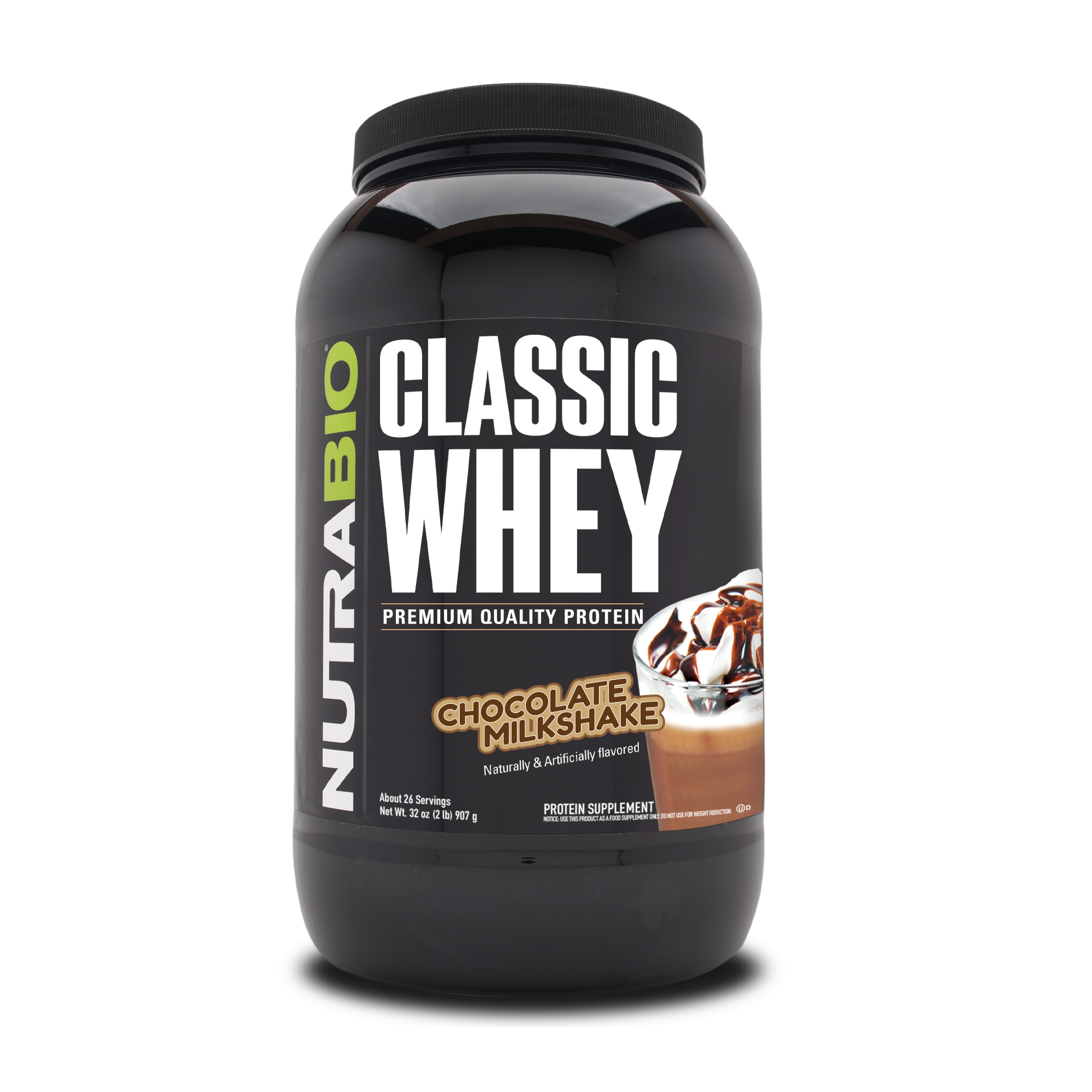
NutraBio
Classic Whey Protein Concentrate Powder (Chocolate Milkshake)
💪 for Muscle
60
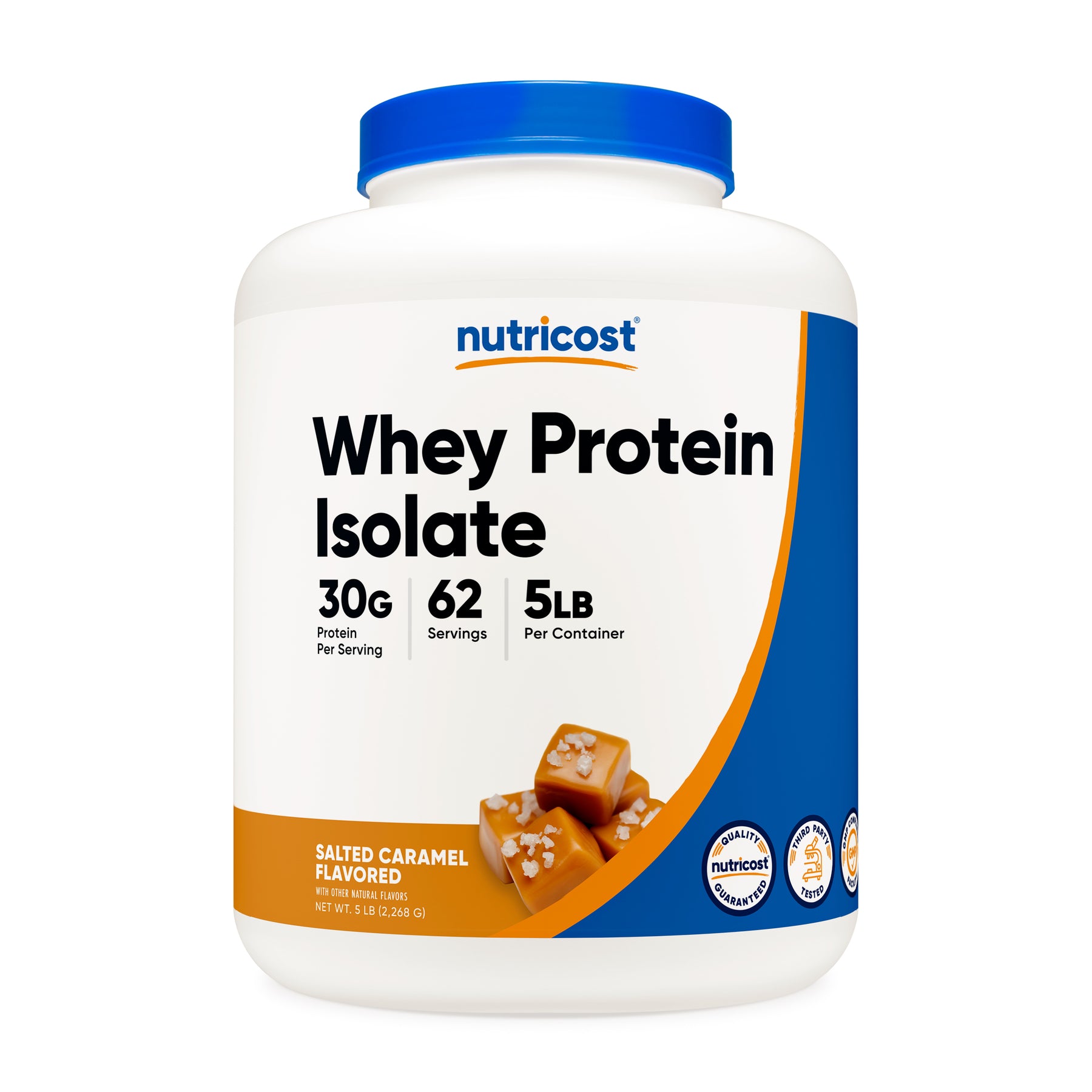
Nutricost
Whey Protein Isolate 30 g (Salted Caramel)
💪 for Muscle
46
Arms Race Nutrition
Isolate Whey Protein (Chocolate Ice Cream)
💪 for Muscle
44
Sources & Scoring
Nutrient data (RDA, UL, and safety thresholds) sourced from the NIH Office of Dietary Supplements and the National Academies Dietary Reference Intakes (DRI).
This is not medical advice. Consult a healthcare provider before making changes to your supplement routine.
The score analyzes what's on the label: ingredient doses vs. studied ranges, chemical forms, evidence levels, and known interactions. It does not verify label accuracy or test for contaminants — for that, look for third-party certifications like USP or NSF.