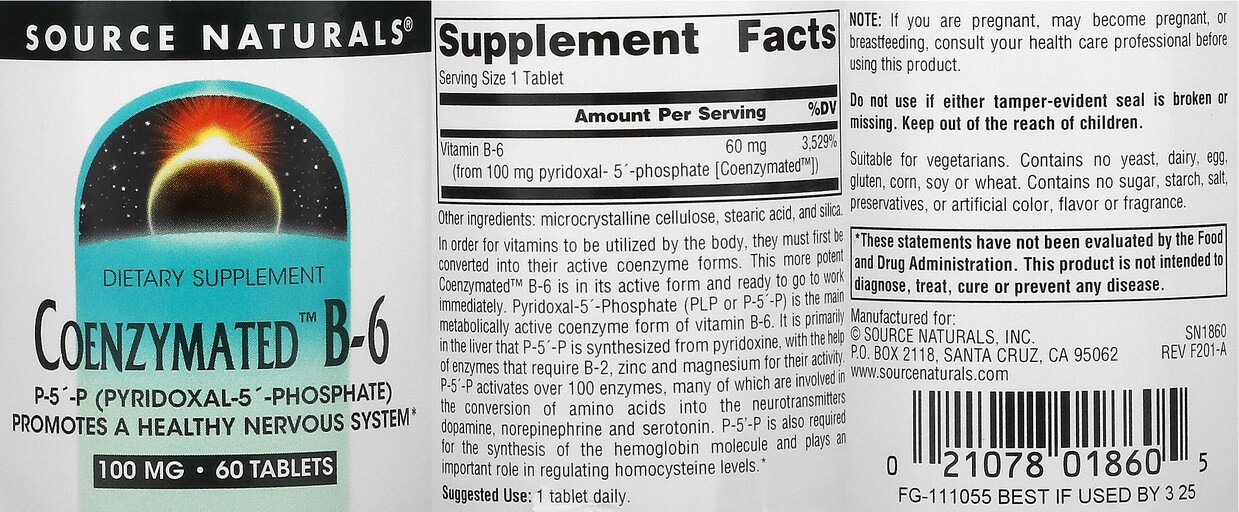
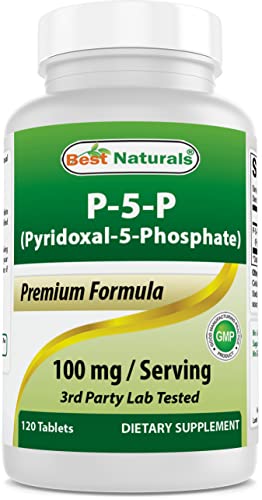
This 100mg vitamin B6 tablet lands at the top of the supplemental range, giving you a full dose for energy metabolism, mood, and making serotonin and dopamine. **Vitamin B6** here is pyridoxine hydrochloride, the standard form your body converts into the active P5P it actually uses — it works for most people, though some prefer taking P5P directly.
The thing to know is that 100mg sits right at the tolerable upper limit for B6, the one B vitamin with a real ceiling. Chronic intake at high doses has been linked to reversible tingling or numbness in the hands and feet, so this is fine short-term but the maximum you'd want for daily long-term use.
If you already take a multivitamin or B-complex, factor in the B6 they add — stacking them on top of this tablet pushes your total past that ceiling. On its own, one tablet daily covers your B6.
BioStacks
Best for
Ingredients (1)
Vitamin B6
100%Dose
100 mg
Target
25–100 mg
Form
Premium
Other Ingredients (4)
Silicon DioxideAnti-caking
Fine silica powder used to prevent clumping
Microcrystalline CelluloseBinder
Plant-derived cellulose used as a binder and filler in supplements
Croscarmellose SodiumDisintegrant
Cross-linked cellulose derivative used as a superdisintegrant
Dicalcium PhosphateBinder
Calcium and phosphorus compound used as binder
How to Take It
Best taken in the morning
Many people prefer B-vitamins earlier in the day; take with food to avoid nausea.
With food
On the label
Suggested use: Adults, take one tablet daily, preferably with a meal.
General guidance based on the ingredients, not a substitute for the label or your doctor.
Price Check
No price yet
What 89 vitamin B6 supplements cost
Track this supplement in your stack
Get personalized insights, interactions, and coverage recommendations.
Get Started FreeSimilar Supplements
Sources & Scoring
Nutrient data (RDA, UL, and safety thresholds) sourced from the NIH Office of Dietary Supplements and the National Academies Dietary Reference Intakes (DRI).
This is not medical advice. Consult a healthcare provider before making changes to your supplement routine.
The score analyzes what's on the label: ingredient doses vs. studied ranges, chemical forms, evidence levels, and known interactions. It does not verify label accuracy or test for contaminants — for that, look for third-party certifications like USP or NSF.