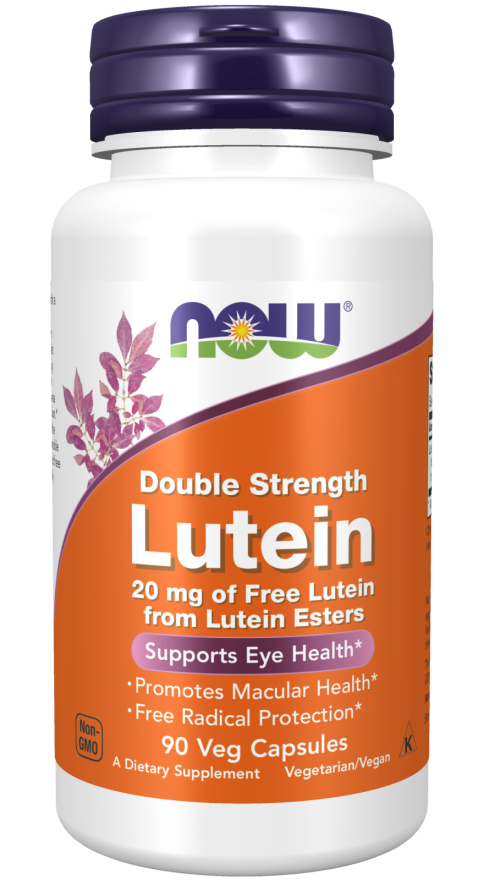
At 20mg, this softgel targets eye health — delivering **lutein**, the carotenoid that concentrates in your macula to filter blue light and help slow age-related macular degeneration. The 20mg is measured as lutein esters, the fat-bound marigold form your gut cleaves to release free lutein. By weight that works out to about 10mg of actual lutein — exactly the dose used in the landmark AREDS2 eye-health trial.
Because lutein is fat-soluble, taking this with a meal containing fat brings the ester form's absorption in line with free lutein, so the lower lutein-by-weight isn't a practical shortfall if you dose it with food.
Worth knowing: AREDS2 paired lutein with zeaxanthin, and this is lutein only. To match the full macular-pigment combination from that trial, you'd add a separate zeaxanthin source.
BioStacks
Other Ingredients (6)
CarobFlavor
Roasted powder from carob tree pods, used as a caffeine-free chocolate/cocoa substitute for flavor and brown color
GelatinCapsule
Protein derived from collagen, used in traditional capsule shells
GlycerinHumectant
Sweet-tasting liquid used in soft capsules and liquids
Purified WaterSolvent
Water meeting USP specifications used as solvent/vehicle in gummies and liquids
Sunflower Seed OilCarrier
Common vegetable oil from sunflower seeds used as a carrier in softgels for fat-soluble nutrients
BeeswaxCoating
Natural wax produced by honeybees, used as a coating and binding agent in softgels and tablets
How to Take It
Take it anytime
Fat-soluble — take with a meal containing fat for better absorption. Time of day doesn't matter.
With a meal containing fat
On the label
As a dietary supplement, take one softgel daily or as directed by a healthcare practitioner.
General guidance based on the ingredients, not a substitute for the label or your doctor.
Price Check
$8.52
Cheaper than 95% of 76 lutein supplements
Track this supplement in your stack
Get personalized insights, interactions, and coverage recommendations.
Get Started FreeSimilar Supplements
Sources & Scoring
Nutrient data (RDA, UL, and safety thresholds) sourced from the NIH Office of Dietary Supplements and the National Academies Dietary Reference Intakes (DRI).
This is not medical advice. Consult a healthcare provider before making changes to your supplement routine.
The score analyzes what's on the label: ingredient doses vs. studied ranges, chemical forms, evidence levels, and known interactions. It does not verify label accuracy or test for contaminants — for that, look for third-party certifications like USP or NSF.