BioStacks
Other Ingredients (7)
MannitolSweetener
A FODMAP sugar alcohol that can cause GI distress (bloating, gas, diarrhea) at higher doses. Supplement amounts are typically small, but individuals with IBS or sugar alcohol sensitivity may react even at low doses.
SorbitolSweetener
A FODMAP sugar alcohol that may trigger GI discomfort (bloating, gas) in individuals with IBS or sorbitol malabsorption, even at small amounts found in supplements. Avoided in low-FODMAP diets.
Magnesium StearateLubricant
A salt of stearic acid used as a lubricant in tablet and capsule production
Natural FlavorsFlavor
Broad regulatory category of flavor constituents derived from natural sources. Composition is proprietary and not disclosed — 'Natural Flavors' can include several hundred different compounds depending on the target flavor profile, including hexane-extracted constituents and proprietary carrier solvents. 'Natural' is a regulatory definition (21 CFR §101.22), not a safety guarantee.
Silicon DioxideAnti-caking
Fine silica powder used to prevent clumping
Croscarmellose SodiumDisintegrant
Cross-linked cellulose derivative used as a superdisintegrant
Microcrystalline CelluloseBinder
Plant-derived cellulose used as a binder and filler in supplements
How to Take It
Best taken in the morning
Many people prefer it earlier in the day; there's no evidence timing changes anything. Absorption is fine with or without food.
With or without food
On the label
As a dietary supplement, place one lozenge under the tongue daily. Allow it to remain there until completely dissolved before swallowing.
General guidance based on the ingredients, not a substitute for the label or your doctor.
Price Check
$5.89
Cheaper than 98% of 235 vitamin B12 supplements
Track this supplement in your stack
Get personalized insights, interactions, and coverage recommendations.
Get Started FreeSimilar Supplements
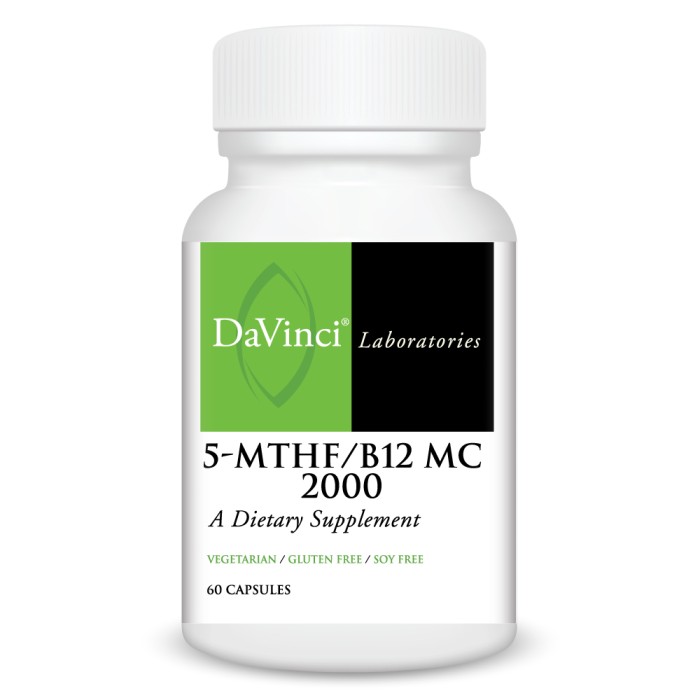
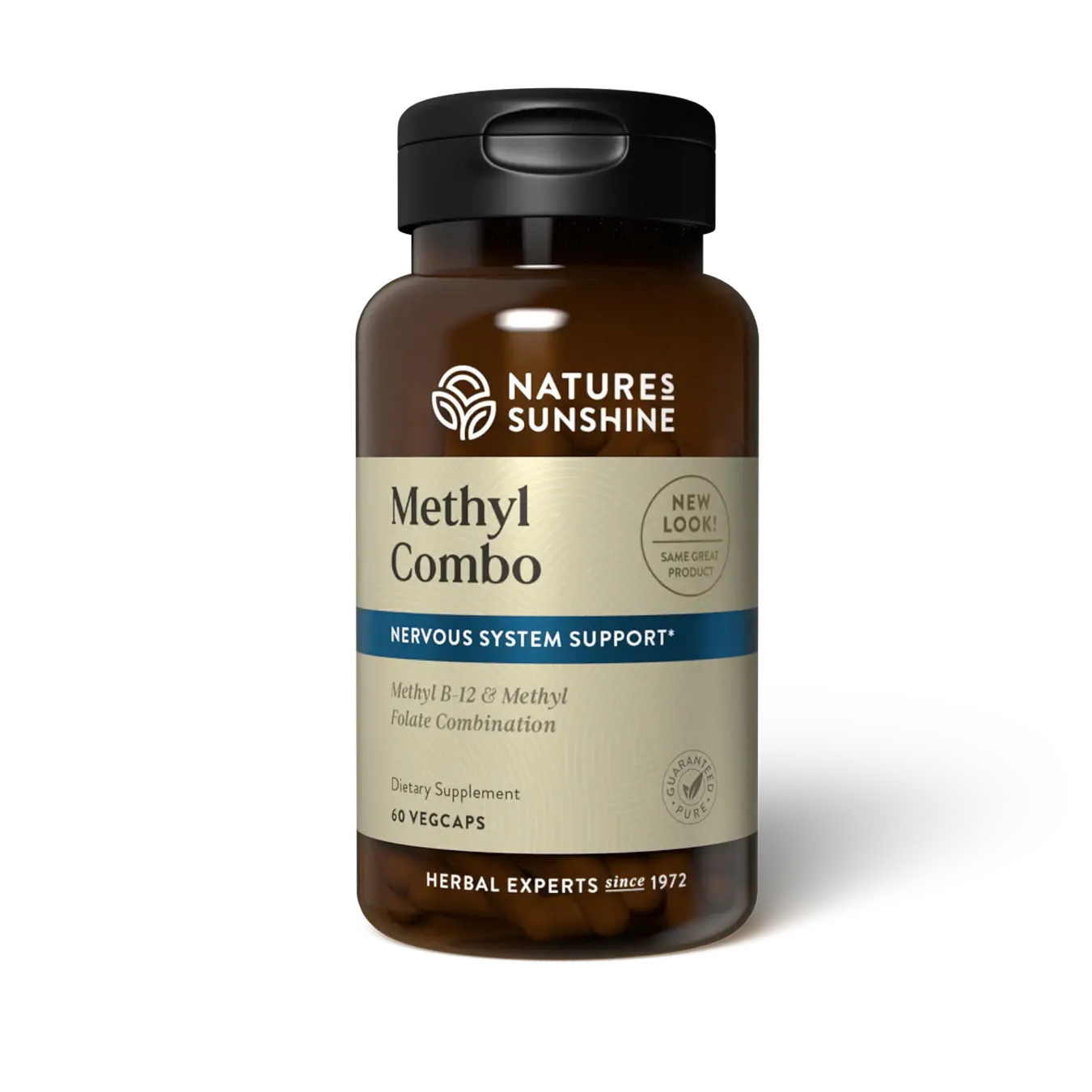
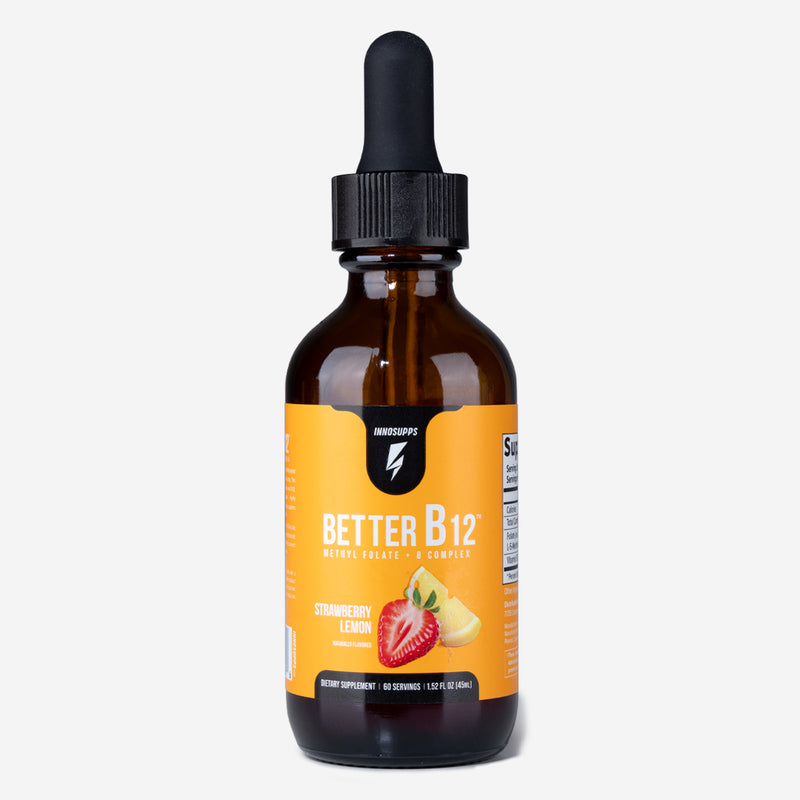
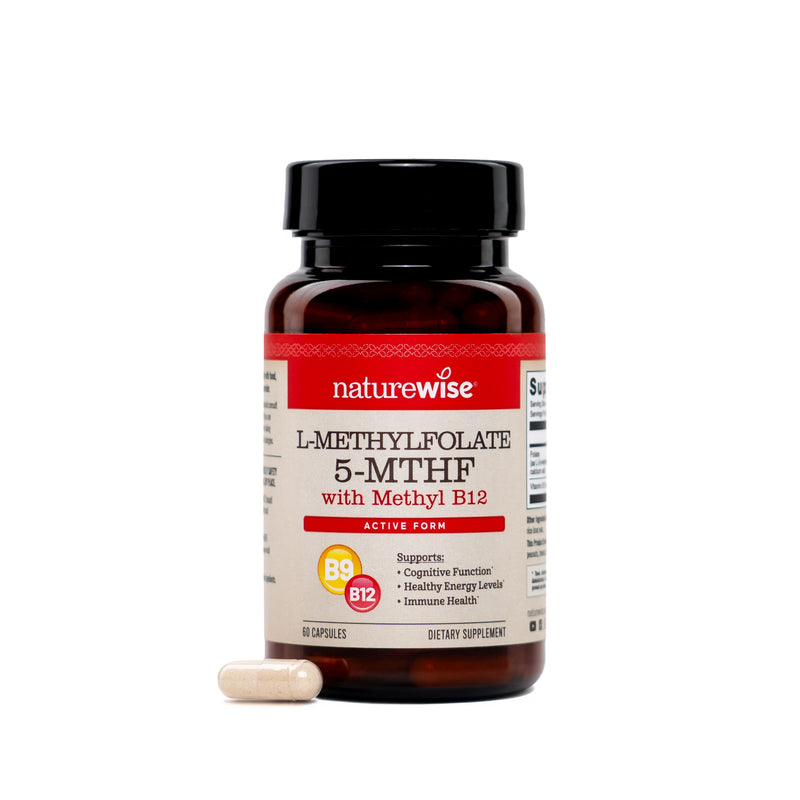
Sources & Scoring
Nutrient data (RDA, UL, and safety thresholds) sourced from the NIH Office of Dietary Supplements and the National Academies Dietary Reference Intakes (DRI).
This is not medical advice. Consult a healthcare provider before making changes to your supplement routine.
The score analyzes what's on the label: ingredient doses vs. studied ranges, chemical forms, evidence levels, and known interactions. It does not verify label accuracy or test for contaminants — for that, look for third-party certifications like USP or NSF.