Every active here is dosed below the amount studied to work. See how each one compares in the breakdown below.
What it does
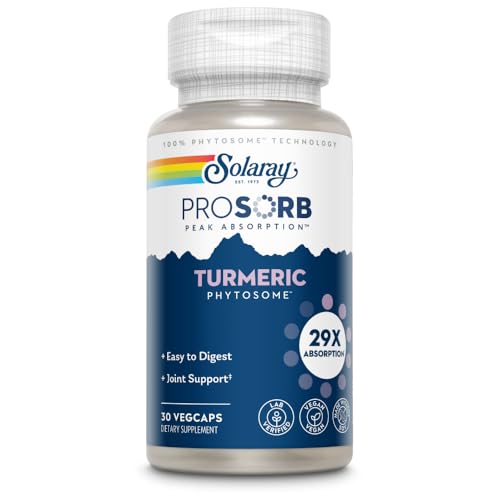
Turmeric Extract
bcm-95Premium
Some preparations may ease knee osteoarthritis discomfort; evidence remains limited and does not apply equally to every extract.
Ingredients (1)
Other ingredients
MaltodextrinBinder
Spikes blood sugar faster than table sugar (glycemic index 85–105). Research links it to gut bacteria changes that may promote intestinal inflammation (Nickerson et al. 2015). Used as a cheap filler — adds nothing beneficial.
XylitolSweetener
A FODMAP sugar alcohol that can cause GI distress (bloating, gas, diarrhea) at moderate doses (>10-20g/day), though supplement amounts are typically small. Extremely toxic to dogs — households with pets should store securely.
Tapioca DextrinCarrier
A starch hydrolysate from tapioca used as a carrier and flow agent
Silicon DioxideAnti-caking
Fine silica powder used to prevent clumping
Natural Vanilla PowderFlavor
A dried natural vanilla flavoring powder
Magnesium StearateLubricant
A salt of stearic acid used as a lubricant in tablet and capsule production
Gum AcaciaBinder
Natural plant gum (acacia) used as a binder, stabilizer, and emulsifier in foods and supplements
Stearic AcidLubricant
Saturated fatty acid used as tablet lubricant
Lab testing
How to take it
With a meal containing fat
On the label
Adults and children (6 years old and up): 1 chewable tablet daily.
Price check
$26.36
$0.44 / serving
Near the median of 167 turmeric extract supplements
Similar products
Sources & Scoring
Nutrient data (RDA, UL, and safety thresholds) sourced from the NIH Office of Dietary Supplements and the National Academies Dietary Reference Intakes (DRI).
This is not medical advice. Consult a healthcare provider before making changes to your supplement routine.
The score analyzes what's on the label: ingredient doses vs. studied ranges, chemical forms, evidence levels, and known interactions. It does not verify label accuracy or test for contaminants — for that, look for third-party certifications like USP or NSF.
Not medical advice. Consult your healthcare professional.