BioStacksAsk AI about this product
What it does
Some label ingredients could not be identified; product purpose is not confirmed.
Vitamin C
Form not confirmedGrade —
Label lists Vitamin C (20 mg). Benefit information is limited.
Vitamin B1
Form not confirmedGrade —
Label lists Thiamin (8 mg). Benefit information is limited.
Ingredients (17)
Other ingredients
Glucose SyrupSweetener
High glycemic load; source typically corn (generally gluten-free)
SucroseSweetener
Added sugars and high glycemic load; dental caries risk
Wildflower HoneySweetener
A natural sweetener and humectant produced by bees, used in syrups and lozenges
Natural FlavorsFlavor
Broad regulatory category of flavor constituents derived from natural sources. Composition is proprietary and not disclosed — 'Natural Flavors' can include several hundred different compounds depending on the target flavor profile, including hexane-extracted constituents and proprietary carrier solvents. 'Natural' is a regulatory definition (21 CFR §101.22), not a safety guarantee.
Beet ColorColorant
Natural red-pink colorant from dehydrated beets or beet juice; the pigment is betanin
Potassium SorbatePreservative
Natural preservative derived from sorbic acid
Citric AcidAcidulant
Natural acid derived from citrus fruits
Mixed TocopherolsAntioxidant
Natural vitamin E used as preservative
Lab testing
How to take it
With food
Keep it away from coffee, tea and dairy
Space it a couple of hours from Calcium, Magnesium and Green Tea Leaf Extract
On the label
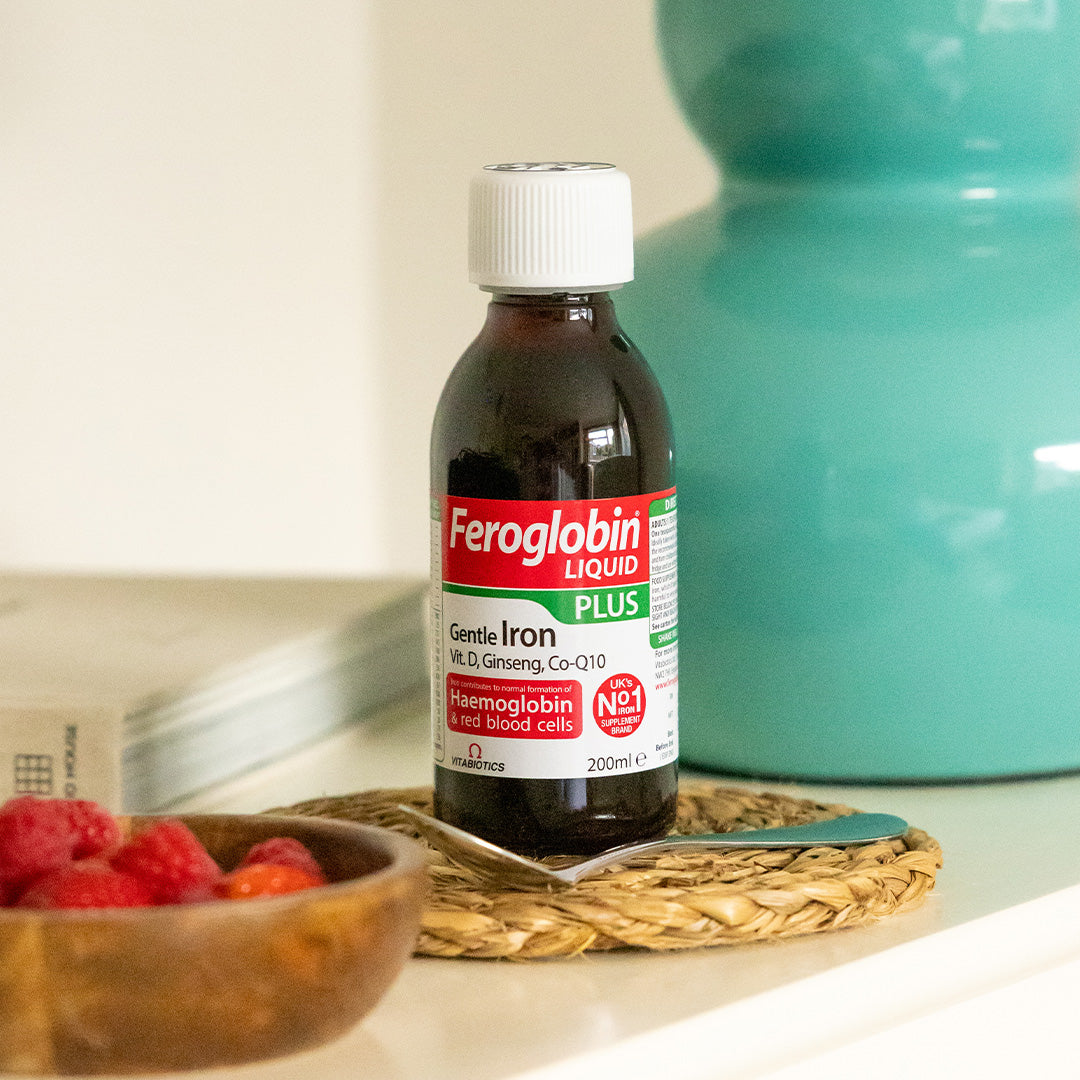
1 teaspoonful = approx. 5ml ADULTS (MEN AND WOMEN): 1 teaspoonful 2 times daily. CHILDREN (3-6 YEARS): 1/2 a teaspoonful 2 times daily. CHILDREN (7-12 YEARS): 1 teaspoonful 1-2 times daily. Do not exceed the recommended intake. Feroglobin Liquid can be continued for as long as required. This formula replaces other Feroglobin products. Vegetarian friendly No artificial colours No alcohol No lactose or yeast Feroglobin Liquid is not tested on animals
Price check
£6.15≈ $7.81 USD
£0.31 / serving
Cheaper than 96% of 798 multivitamins
Similar products
Sources & Scoring
Nutrient data (RDA, UL, and safety thresholds) sourced from the NIH Office of Dietary Supplements and the National Academies Dietary Reference Intakes (DRI).
This is not medical advice. Consult a healthcare provider before making changes to your supplement routine.
The score analyzes what's on the label: ingredient doses vs. studied ranges, chemical forms, evidence levels, and known interactions. It does not verify label accuracy or test for contaminants — for that, look for third-party certifications like USP or NSF.
Not medical advice. Consult your healthcare professional.