BioStacks
Best for
Ingredients (22)
Vitamin B6
100%Dose
1.9 mg
Target
1.3–25 mg
Form
—
Pantothenic Acid
12%Dose
6 mg
Target
50–500 mg
Form
—
Niacin
72%Dose
18 mg
Target
25–500 mg
Form
—
Biotin
3%Dose
30 mcg
Target
1000–5000 mcg
Form
—
Folic Acid
100%Dose
400 mcg
Target
400–800 mcg
Form
Budget
Other Ingredients (9)
IsomaltSweetener
A poorly-absorbed sugar alcohol that can cause bloating, gas, and laxative effects at higher doses (EFSA notes laxative threshold for polyols). Tolerable for most, but cumulative across products.
Beta-Carotene (color)Color
Beta-carotene used in small amounts as a colorant/antioxidant.
Silicon DioxideAnti-caking
Fine silica powder used to prevent clumping
Carnauba WaxCoating
Hard plant wax from the carnauba palm used to glaze gummies and tablets
Croscarmellose SodiumDisintegrant
Cross-linked cellulose derivative used as a superdisintegrant
GelatinCapsule
Protein derived from collagen, used in traditional capsule shells
HypromelloseCapsule
Plant-derived capsule material from cellulose
Microcrystalline CelluloseBinder
Plant-derived cellulose used as a binder and filler in supplements
How to Take It
Take it anytime
No evidence a formula this broad works better at any particular hour. Take it with a meal containing fat — the vitamins A, D and E in it absorb poorly without one.
With a meal containing fat
Keep it away from coffee, tea and dairy
Space it a couple of hours from Calcium and Green Tea Leaf Extract
On the label
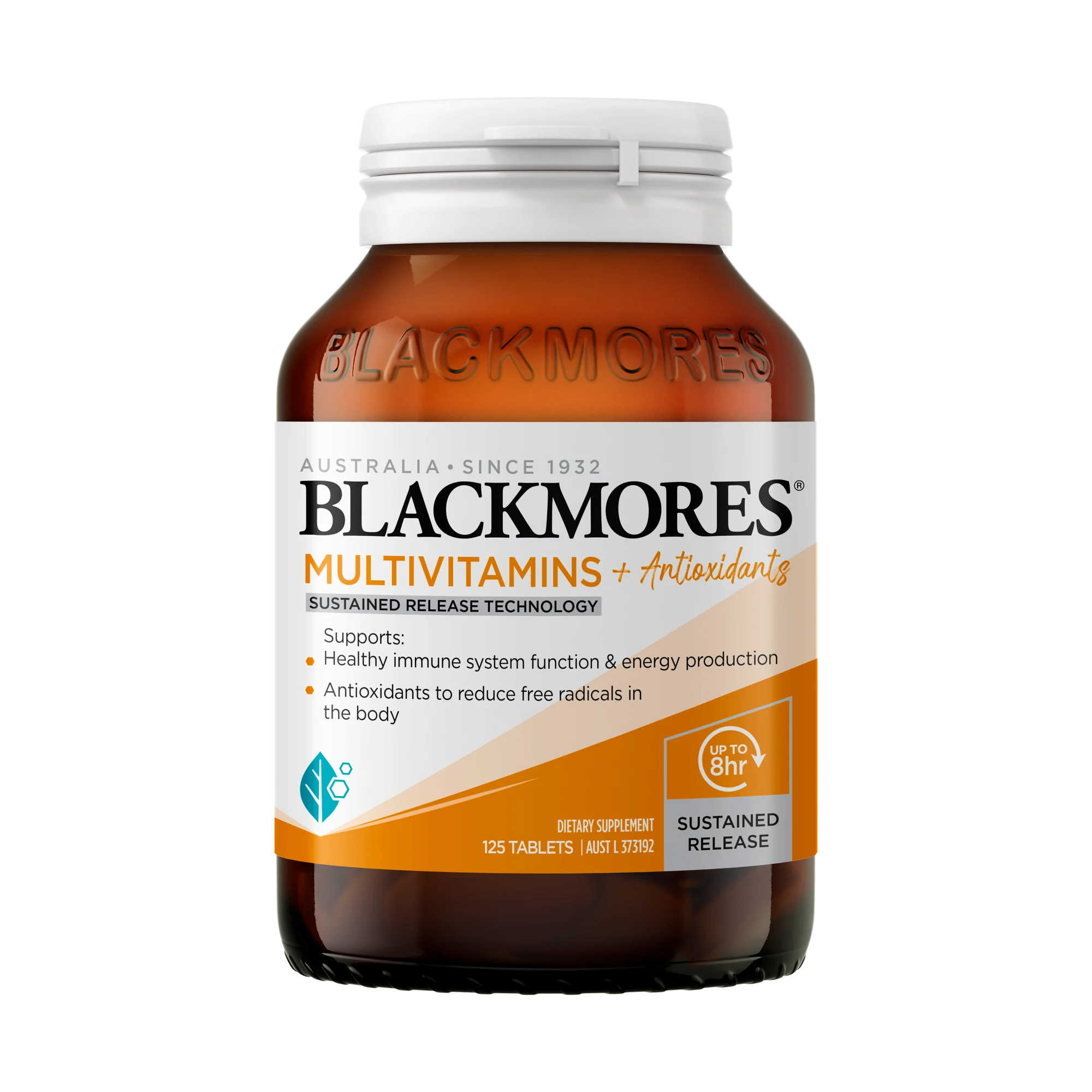
As a dietary supplement, take one Tablet daily, or as directed by a healthcare practitioner.
General guidance based on the ingredients, not a substitute for the label or your doctor.
Price Check
$19.99
Cheaper than 65% of 798 multivitamins
Track this supplement in your stack
Get personalized insights, interactions, and coverage recommendations.
Get Started FreeSimilar Supplements
Sources & Scoring
Nutrient data (RDA, UL, and safety thresholds) sourced from the NIH Office of Dietary Supplements and the National Academies Dietary Reference Intakes (DRI).
This is not medical advice. Consult a healthcare provider before making changes to your supplement routine.
The score analyzes what's on the label: ingredient doses vs. studied ranges, chemical forms, evidence levels, and known interactions. It does not verify label accuracy or test for contaminants — for that, look for third-party certifications like USP or NSF.