BioStacks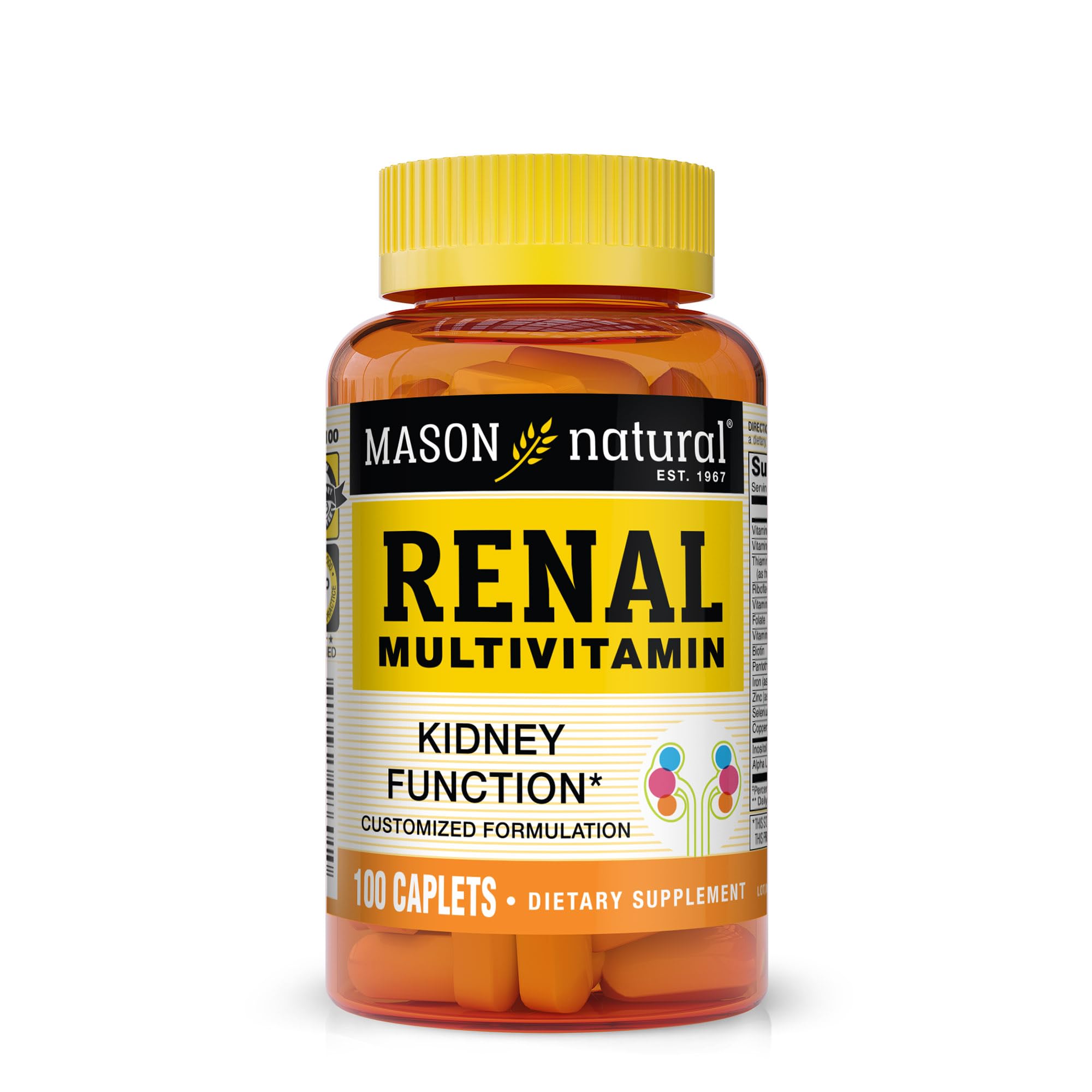
Best for
Ingredients (15)
Betacarotene
100%Dose
1500 mcg
Target
700–1500 mcg
Form
—
Peptan Collagen Peptides
100%Dose
7 g
Target
5–20 g
Form
Premium
Vitamin D
60%Dose
600 IU
Target
1000–5000 IU
Form
Premium
Biotin
5%Dose
50 mcg
Target
1000–5000 mcg
Form
—
Pantothenic Acid
8%Dose
4 mg
Target
50–500 mg
Form
—
Other Ingredients (8)
Polysorbate 80Emulsifier
Chassaing et al. 2015 (Nature, PMID 25731162) tested polysorbate 80 directly and showed it thinned the gut mucus barrier, altered microbiota composition, and induced low-grade inflammation and metabolic syndrome in mice. The strongest human evidence is for a related emulsifier rather than polysorbate 80 itself: Chassaing 2022 (Gastroenterology, PMID 34774538) was a controlled human feeding RCT of carboxymethylcellulose (CMC) that found microbial encroachment into the mucus layer — polysorbate 80 has not been tested in an equivalent human trial. In vitro work (e.g. Roberts 2010) shows polysorbate 80 enhances bacterial translocation across intestinal epithelium, and observational data link overall dietary-emulsifier exposure to IBD risk. EFSA is mid re-evaluation of polysorbates (E432–E436). For a supplement excipient with purely cosmetic function (improving the look/texture of soft gels and liquids), the gut-barrier risk profile is unfavorable when safer alternatives (sunflower lecithin, MCT carriers, gum acacia) are widely available.
SucraloseSweetener
Dose context matters. As a trace excipient in a tablet coating or capsule, the amount is minimal and not a meaningful concern. The evidence below applies to the gram-level intakes typical of sweetened protein powders, pre-workouts, and drink mixes: a 2022 human trial (Suez et al., Cell) showed sucralose disrupts gut bacteria and worsens blood sugar control in healthy adults, and a 2023 study (Schiffman et al.) found that sucralose-6-acetate — a compound formed when sucralose is digested — was genotoxic to human cells in vitro. It remains an artificial sweetener with no nutritional purpose.
Fruit Juice (unspecified)Colorant
Juice or juice concentrate used primarily for natural color and flavor in gummies
Folic AcidVitamin
Synthetic form of vitamin B9 used for fortification — supports red blood cell formation and neural tube development. Pharmacologically distinct from the natural/active form (5-methyltetrahydrofolate, methylfolate).
Potassium SorbatePreservative
Natural preservative derived from sorbic acid
Citric AcidAcidulant
Natural acid derived from citrus fruits
Purified WaterSolvent
Water meeting USP specifications used as solvent/vehicle in gummies and liquids
Xanthan GumThickener
Natural thickener from fermented carbohydrates
How to Take It
Take it anytime
No evidence a formula this broad works better at any particular hour. Take it with a meal containing fat — the vitamins A and D in it absorb poorly without one.
With a meal containing fat
Space it a couple of hours from Iron and Calcium
On the label
DRINK 1 BOTTLE (50ml) PER DAY. Take after your main meal. Shake well before use. Do not exceed the recommended intake. This product may be used for as long as required and a regular intake is recommended. No artificial colours Marine collagen is Halal & Kosher No added sugar No yeast Perfectil® Platinum Collagen is not tested on animals
General guidance based on the ingredients, not a substitute for the label or your doctor.
Price Check
£41.45≈ $52.64
Pricier than 85% of 798 multivitamins
Track this supplement in your stack
Get personalized insights, interactions, and coverage recommendations.
Get Started FreeSimilar Supplements
Mason Natural
Renal Multivitamin
🛡️ for Immune
53
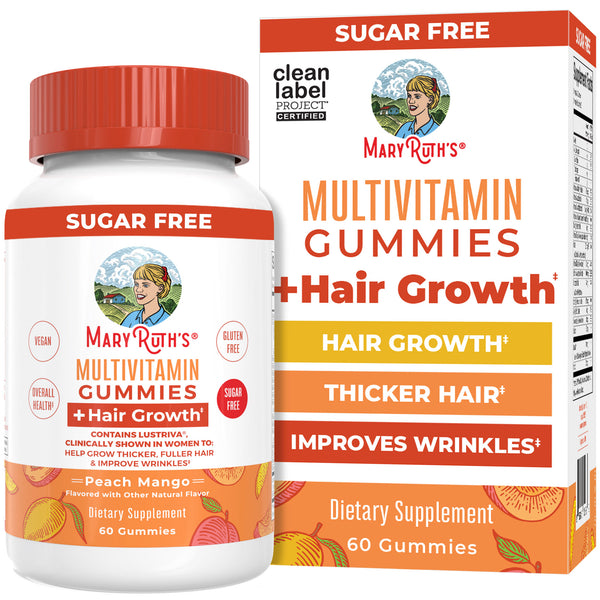
MaryRuth Organics
Multivitamin Gummies + Hair Growth
🤰 for Pregnancy
64
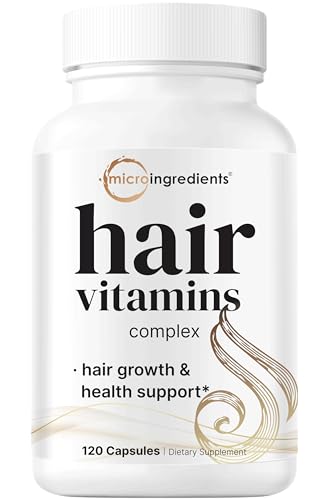
Micro Ingredients
Hair Vitamins Complex
🛡️ for Immune
55
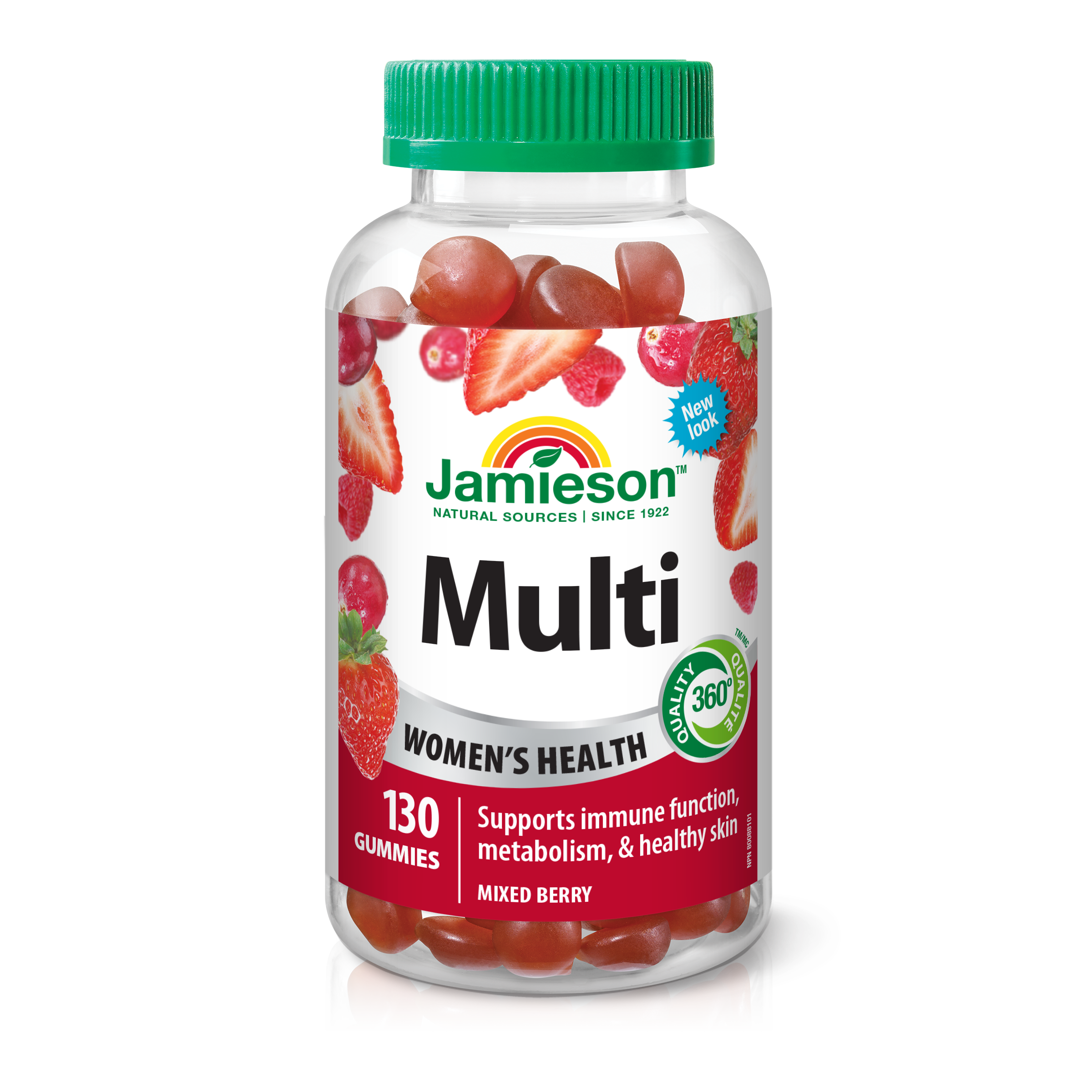
Jamieson
Womens Multivitamin Gummies
🤰 for Pregnancy
47
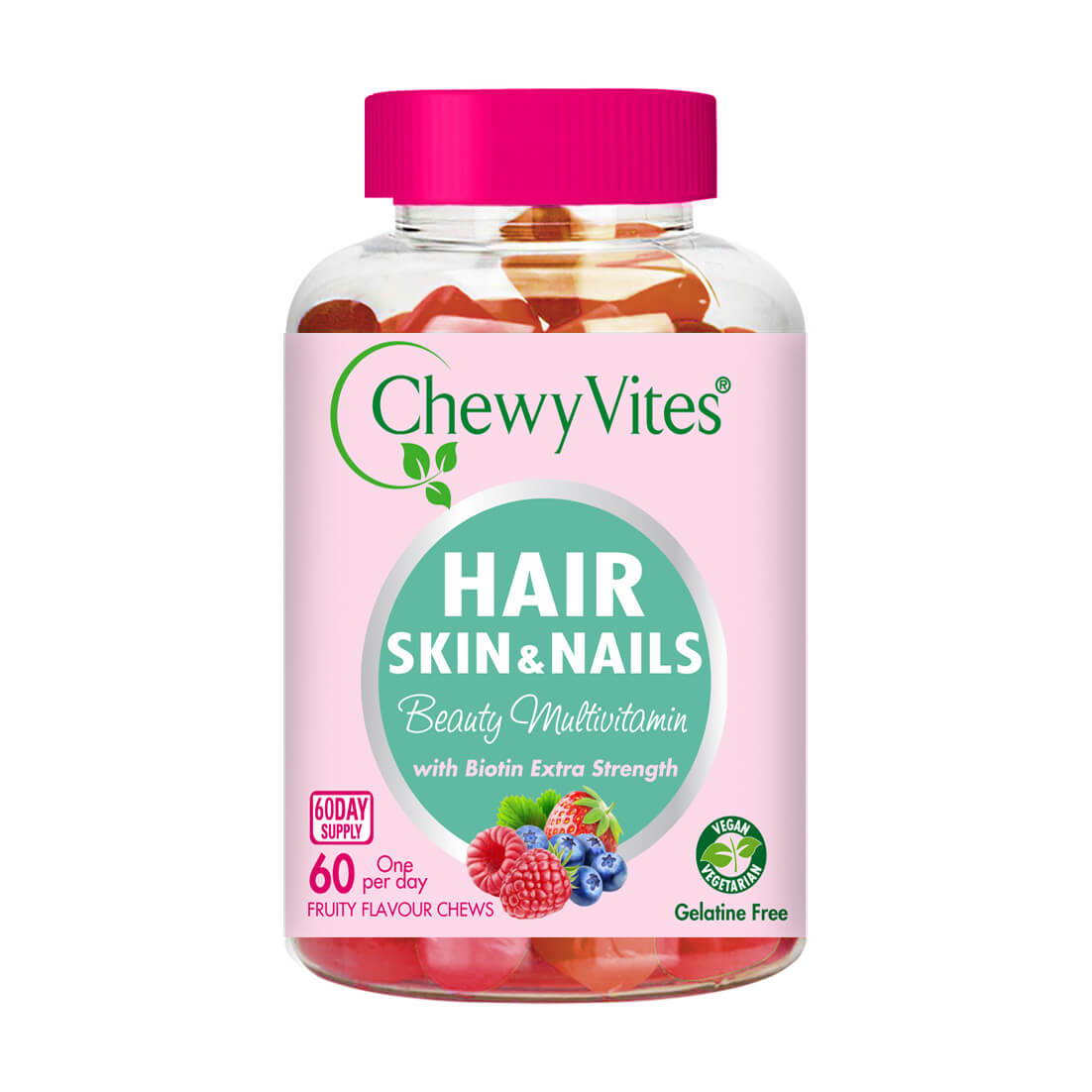
Chewy Vites
Adults Hair, Skin & Nails Beauty Multivitamin, 60 Gummies
🤰 for Pregnancy
18
Sources & Scoring
Nutrient data (RDA, UL, and safety thresholds) sourced from the NIH Office of Dietary Supplements and the National Academies Dietary Reference Intakes (DRI).
This is not medical advice. Consult a healthcare provider before making changes to your supplement routine.
The score analyzes what's on the label: ingredient doses vs. studied ranges, chemical forms, evidence levels, and known interactions. It does not verify label accuracy or test for contaminants — for that, look for third-party certifications like USP or NSF.