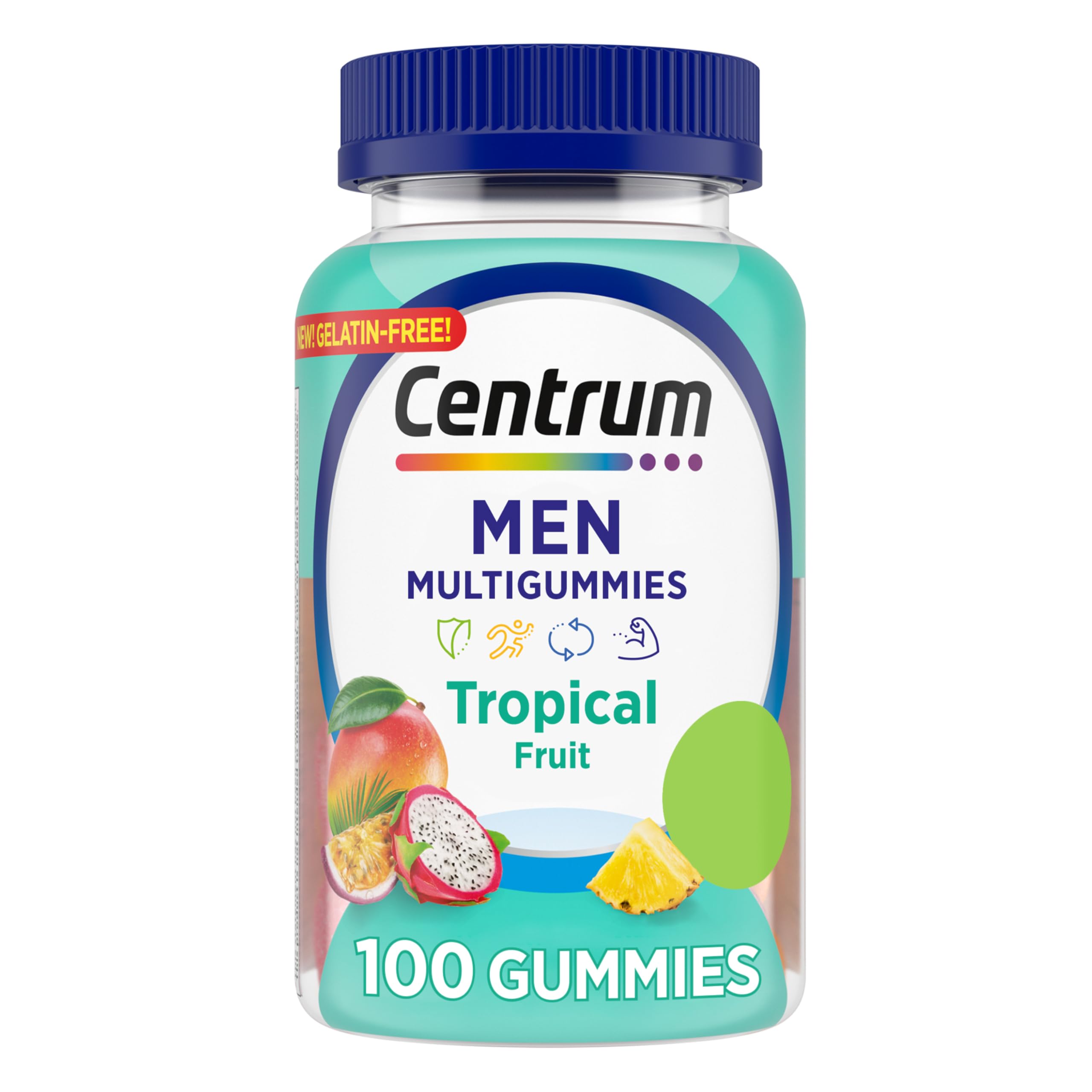
For general daily nutrition as a men's gummy, your strongest nutrient here is **Vitamin D** at 25 mcg (1,000 IU) — right at the bottom of the clinically recommended supplemental range. **Vitamin A** at 720 mcg covers 80% of the RDA, and **Folate** at 400 mcg DFE meets the full daily target, though it uses synthetic folic acid rather than the body-ready methylfolate form.
Most other nutrients are dosed well below clinical ranges. **Vitamin C** at 30 mg is only a third of the RDA. **Zinc** at 3.8 mg is about a quarter of the minimum supplement dose (15 mg). **Vitamin B12** at 7.2 mcg as cyanocobalamin, **Iodine** at 38 mcg, and **Biotin** at 30 mcg are all at or near bare-minimum RDA levels. **Vitamin E** uses the synthetic dl-alpha form, which your body absorbs at half the rate of the natural form.
This gummy covers basic vitamin D and folate needs, but if you're looking for meaningful doses across the board, the amounts here fall short in most categories. The gummy format limits how much can fit per serving.
BioStacksAsk AI about this product
What it does
A multivitamin and mineral formula.
Vitamin A
retinyl palmitateStandard
Supports normal vision, immune function and the maintenance of healthy tissues.
Iodine
potassium iodidePremium
Supports thyroid hormone production, which regulates normal metabolism and growth.
Ingredients (15)
Nutrition
Calories, macros & sodium.
- Calories15 Calorie(s)
- Total Carbohydrates4 Gram(s)
- Total Sugars3 Gram(s)
Other ingredients
Glucose SyrupSweetener
High glycemic load; source typically corn (generally gluten-free)
SucroseSweetener
Added sugars and high glycemic load; dental caries risk
GelatinCapsule
Protein derived from collagen, used in traditional capsule shells
Purified WaterSolvent
Water meeting USP specifications used as solvent/vehicle in gummies and liquids
Less than 2% of (header)
Not reviewed yet
Lab testing
How to take it
With a meal containing fat
Space it a couple of hours from Iron and Calcium
On the label
Suggested use: As a dietary supplement, adults take two (2) gummy vitamins per day. Chew thoroughly before swallowing.
Price check
No price yet
What 798 multivitamins cost
Similar products


Sources & Scoring
Nutrient data (RDA, UL, and safety thresholds) sourced from the NIH Office of Dietary Supplements and the National Academies Dietary Reference Intakes (DRI).
This is not medical advice. Consult a healthcare provider before making changes to your supplement routine.
The score analyzes what's on the label: ingredient doses vs. studied ranges, chemical forms, evidence levels, and known interactions. It does not verify label accuracy or test for contaminants — for that, look for third-party certifications like USP or NSF.
Not medical advice. Consult your healthcare professional.