BioStacksAsk AI about this product 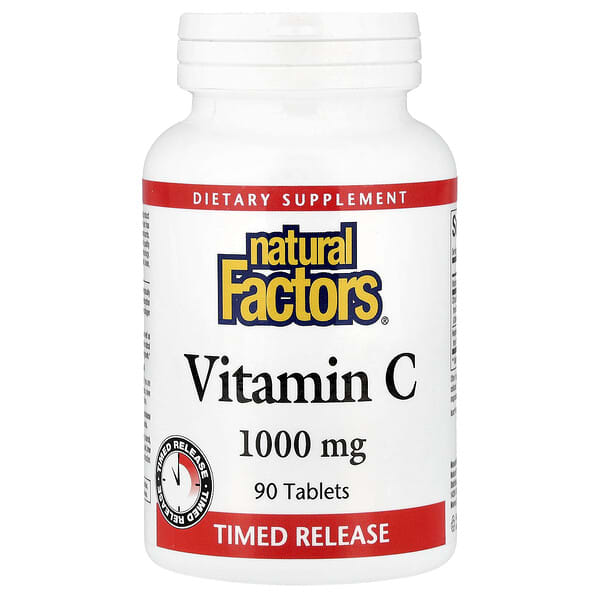

What it does
A combination of 3 label ingredients.
Citrus Bioflavonoids Extract 4:1
Form not confirmedGrade —
Label lists Citrus Bioflavonoids Extract 4:1 (50 mg). Benefit information is limited.
Citrus Flavonoid
Form not confirmedGrade —
Label lists Hesperidin Extract 4:1 (25 mg). Benefit information is limited.
Ingredients (3)
Other ingredients
CarboxymethylcelluloseThickener
Carboxymethylcellulose was the second emulsifier (with polysorbate 80) in Chassaing et al. 2015 (Nature, PMID 25731162), which showed mucus-barrier thinning, a microbiota shift toward pro-inflammatory species, low-grade inflammation, and metabolic syndrome in mice. Chassaing 2022 (Gastroenterology, PMID 34774538) tested CMC directly in a randomized controlled human feeding trial and found reduced microbial diversity and bacterial encroachment into the normally sterile mucus layer in a susceptible subset of participants. EFSA's 2018 re-evaluation could not establish a safe level due to data gaps. For a purely textural excipient, the gut-barrier risk profile is unfavorable when safer thickeners are widely available.
Coating (unspecified)Coating
Generic tablet coating declaration where the label does not itemize the coating's components; modern aqueous film coatings are typically cellulose-based (HPMC) with a plasticizer
Magnesium StearateLubricant
A salt of stearic acid used as a lubricant in tablet and capsule production
Dicalcium PhosphateBinder
Calcium and phosphorus compound used as binder
Microcrystalline CelluloseBinder
Plant-derived cellulose used as a binder and filler in supplements
Stearic AcidLubricant
Saturated fatty acid used as tablet lubricant
Lab testing
How to take it
With or without food
On the label
Take 1 tablet daily.
Price check
No price yet
What 375 vitamin C supplements cost
Similar products
Natural Factors
Vitamin C, Time Release, 1,000 mg
🛡️ for Immune
34
Kirkland Signature
Vitamin C 1000 mg with Rose Hips and Bioflavonoids
🛡️ for Immune
33
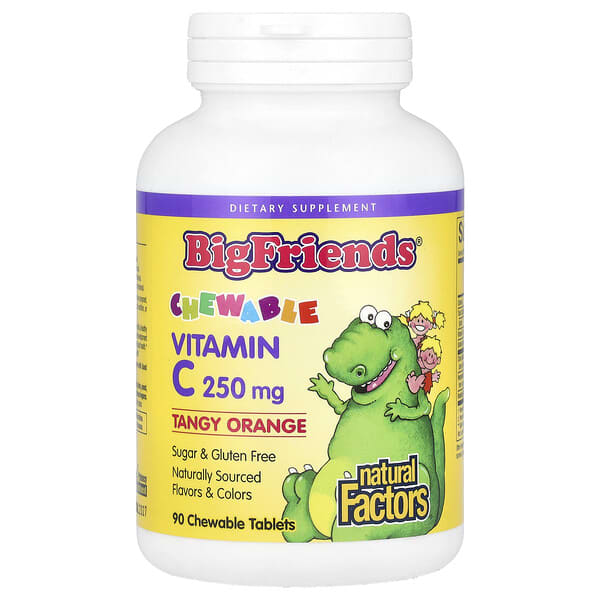
Natural Factors
Big Friends, Chewable Vitamin C, Tangy Orange, 250 mg, 90 Chewable Tablets
🛡️ for Immune
60
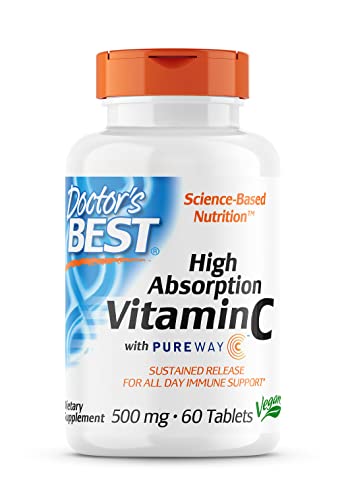
Doctor's Best
Sustained Release Vitamin C with PureWay-C 500 mg
🛡️ for Immune
84
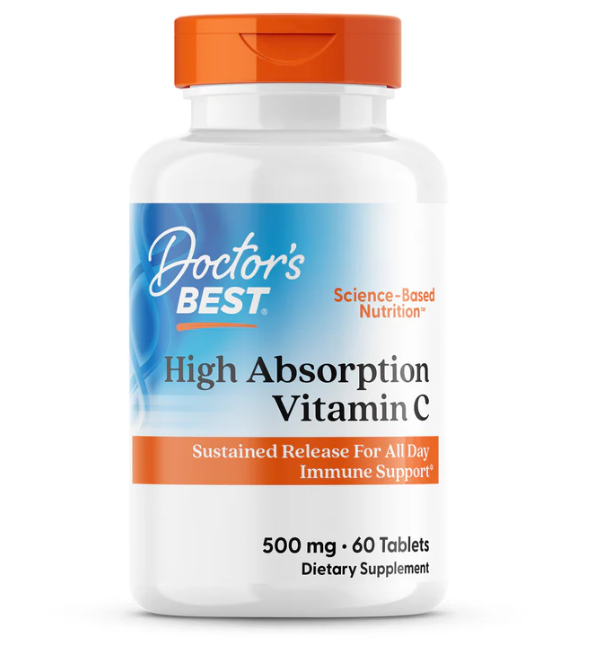
Doctor's Best
High Absorption Vitamin C
🛡️ for Immune
79
Sources & Scoring
Nutrient data (RDA, UL, and safety thresholds) sourced from the NIH Office of Dietary Supplements and the National Academies Dietary Reference Intakes (DRI).
This is not medical advice. Consult a healthcare provider before making changes to your supplement routine.
The score analyzes what's on the label: ingredient doses vs. studied ranges, chemical forms, evidence levels, and known interactions. It does not verify label accuracy or test for contaminants — for that, look for third-party certifications like USP or NSF.
Not medical advice. Consult your healthcare professional.