BioStacks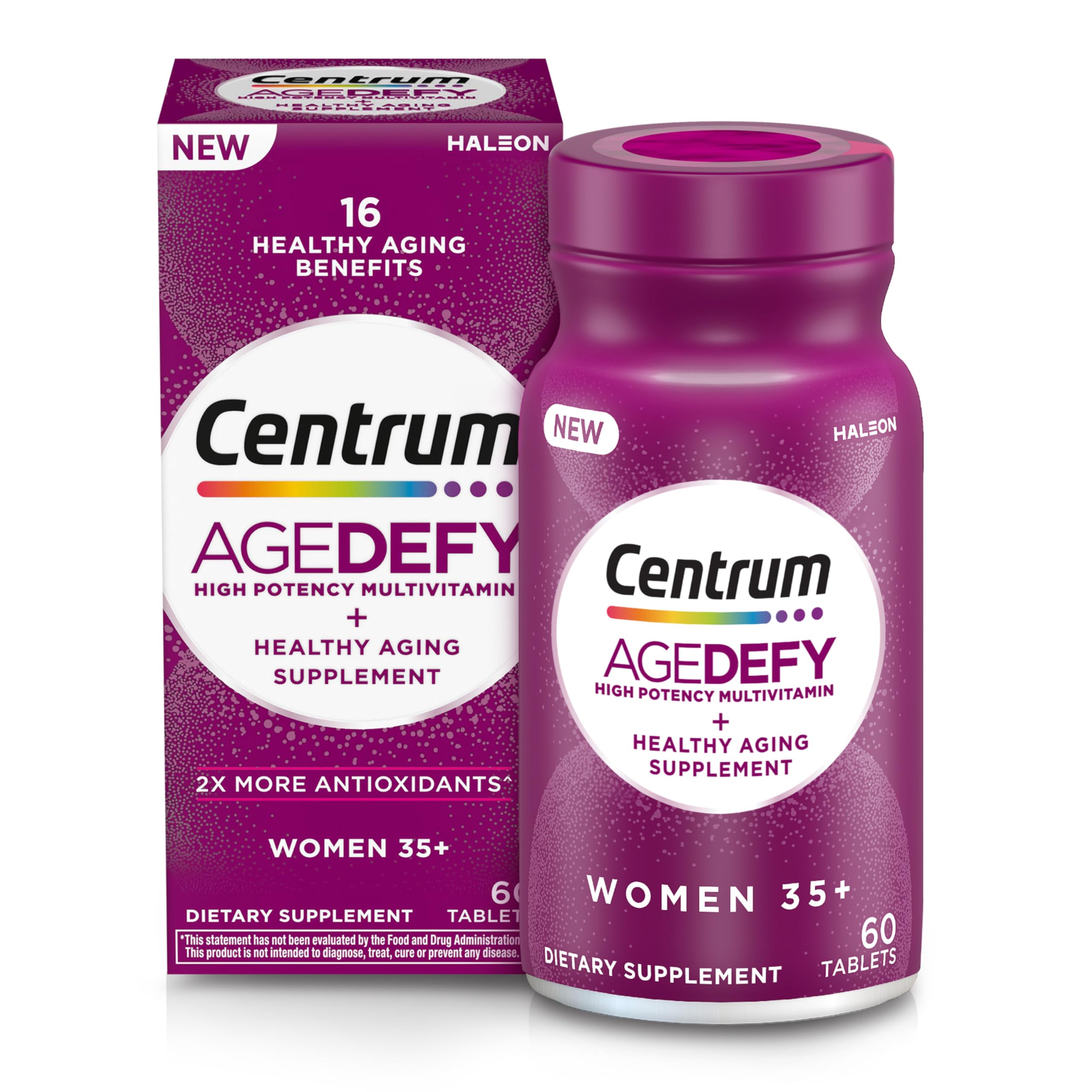
Best for
Ingredients (30)
Molybdenum
100%Dose
50 mcg
Target
45–75 mcg
Form
Premium
Vitamin B6
100%Dose
2.5 mg
Target
1.3–25 mg
Form
Premium
Pantothenic Acid
20%Dose
10 mg
Target
50–500 mg
Form
Premium
Mixed Tocopherols
36%Dose
18 mg
Target
50–268 mg
Form
Premium
Vitamin B12
20%Dose
50 mcg
Target
250–5000 mcg
Form
Premium
Other Ingredients (8)
XylitolSweetener
A FODMAP sugar alcohol that can cause GI distress (bloating, gas, diarrhea) at moderate doses (>10-20g/day), though supplement amounts are typically small. Extremely toxic to dogs — households with pets should store securely.
Fruit Juice (unspecified)Colorant
Juice or juice concentrate used primarily for natural color and flavor in gummies
Natural FlavorsFlavor
Broad regulatory category of flavor constituents derived from natural sources. Composition is proprietary and not disclosed — 'Natural Flavors' can include several hundred different compounds depending on the target flavor profile, including hexane-extracted constituents and proprietary carrier solvents. 'Natural' is a regulatory definition (21 CFR §101.22), not a safety guarantee.
Silicon DioxideAnti-caking
Fine silica powder used to prevent clumping
Magnesium StearateLubricant
A salt of stearic acid used as a lubricant in tablet and capsule production
Citric AcidAcidulant
Natural acid derived from citrus fruits
Malic AcidAcidulant
Naturally occurring organic acid found in apples, used as a flavor enhancer and acidulant in supplements
Stearic AcidLubricant
Saturated fatty acid used as tablet lubricant
How to Take It
Take it anytime
No evidence a formula this broad works better at any particular hour. Take it with a meal containing fat — the vitamins A, D, E and K in it absorb poorly without one.
With a meal containing fat
Space it a couple of hours from Iron and Calcium
On the label
Children 1-3 years: one to two tablets twice daily; children 4 years or more: two to four tablets twice daily, or take as directed by your healthcare professional. Consult your healthcare professional prior to use. Individuals taking medication should discuss potential interactions with their healthcare professional. Do not use if tamper seal is damaged.
General guidance based on the ingredients, not a substitute for the label or your doctor.
Price Check
$55.00
Pricier than 86% of 798 multivitamins
Track this supplement in your stack
Get personalized insights, interactions, and coverage recommendations.
Get Started FreeSimilar Supplements
Centrum
AgeDefy for Women 35+
🦷 for Dental
10
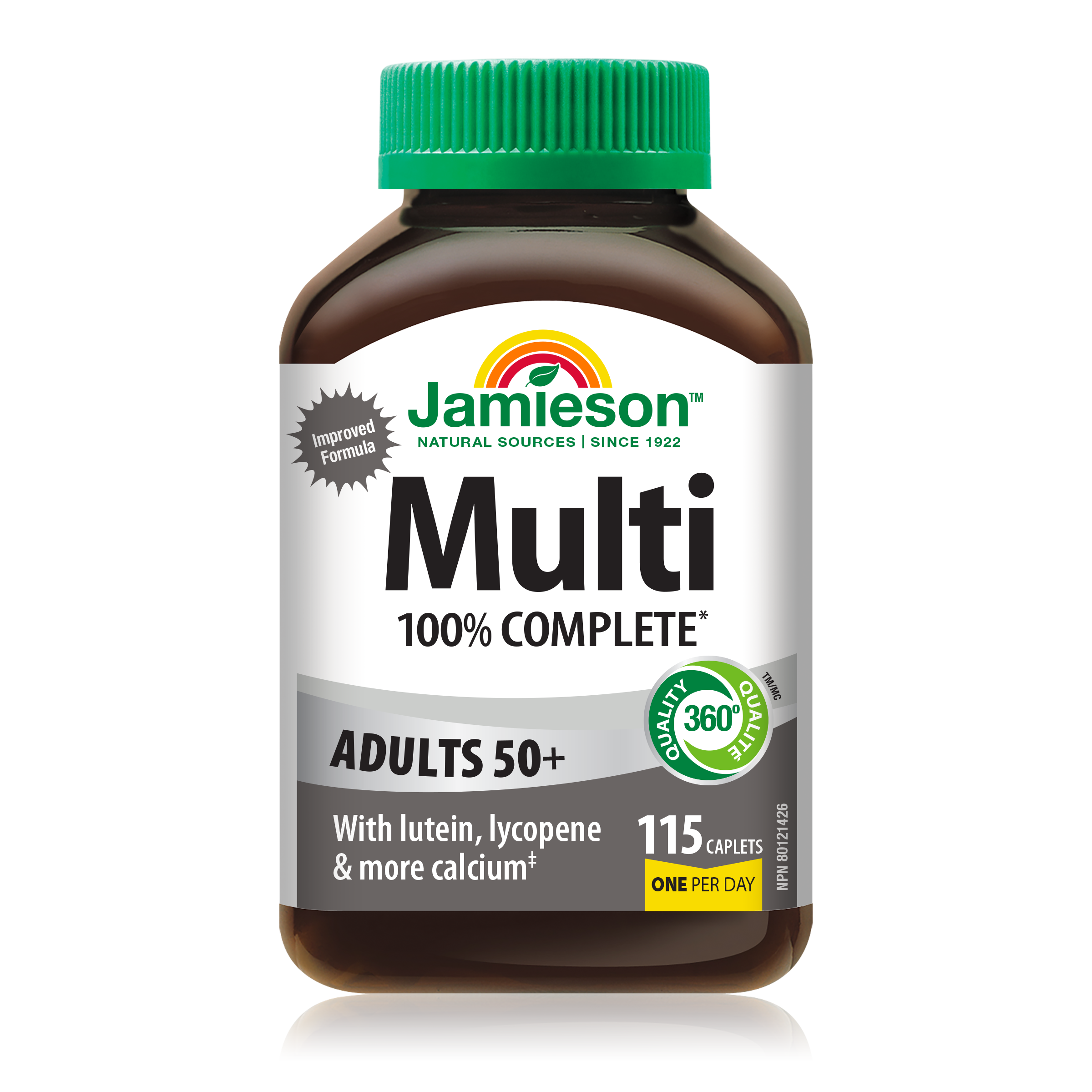
Jamieson
100% Complete Multivitamin For Adults 50+
🦷 for Dental
48
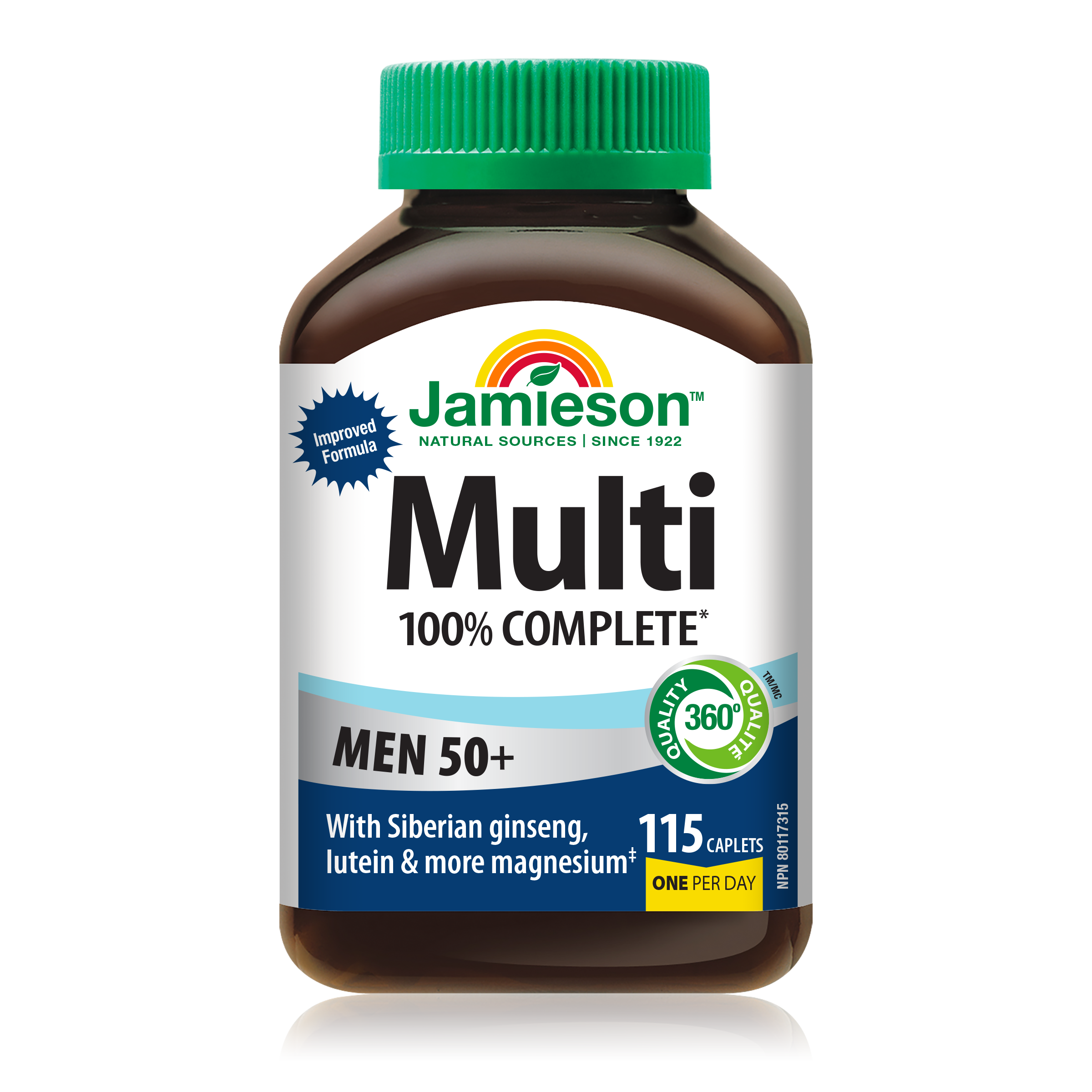
Jamieson
100% Complete Multivitamin for Men 50+
🦷 for Dental
48
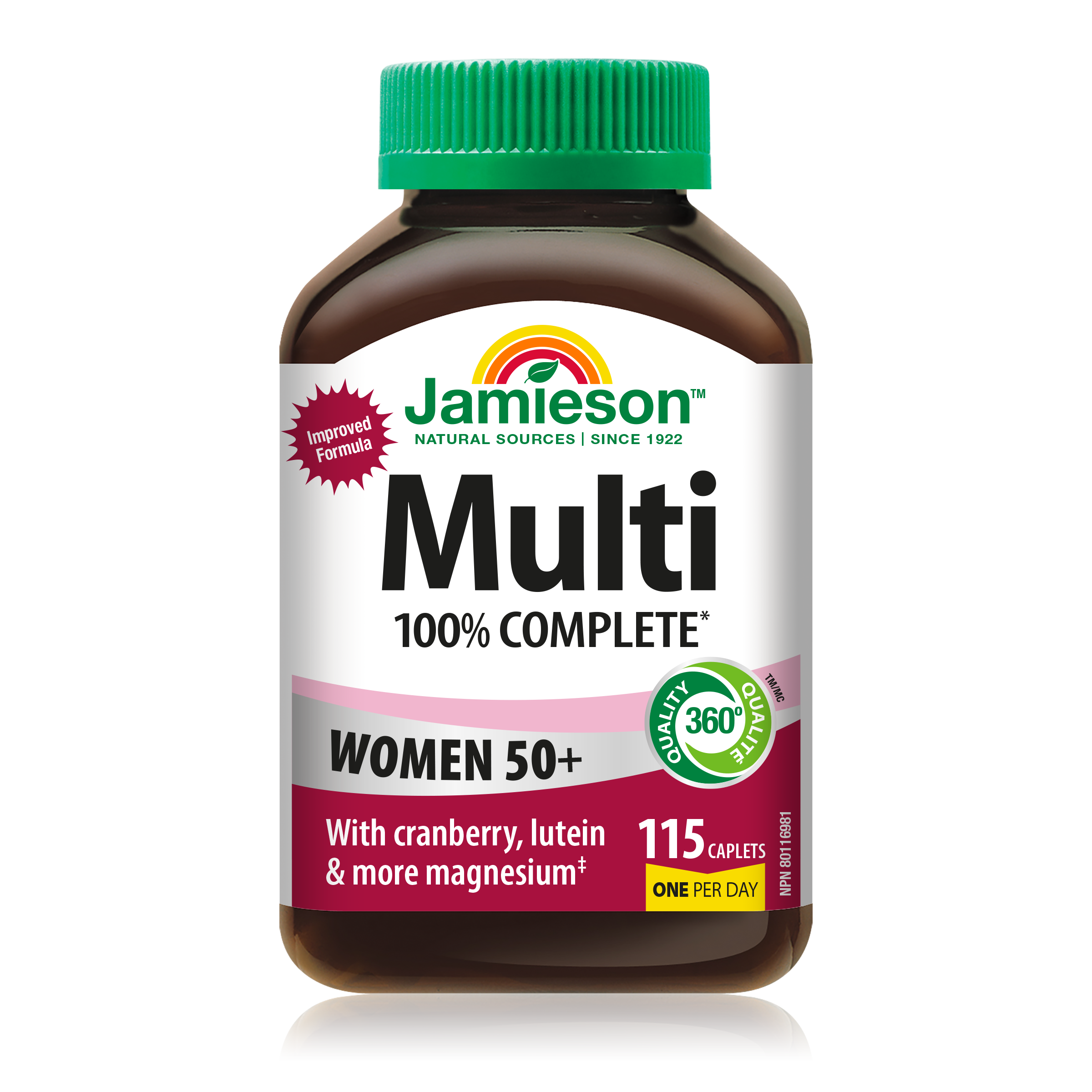
Jamieson
100% Complete Multivitamin For Women 50+
🦷 for Dental
47
Natural Factors Whole Earth & Sea
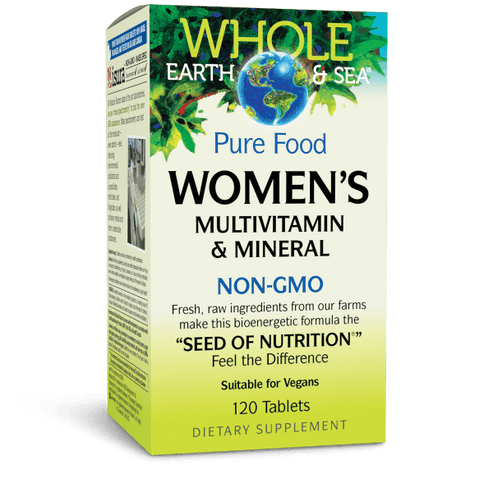
Women's Multivitamin & Mineral
🛡️ for Immune
61
Sources & Scoring
Nutrient data (RDA, UL, and safety thresholds) sourced from the NIH Office of Dietary Supplements and the National Academies Dietary Reference Intakes (DRI).
This is not medical advice. Consult a healthcare provider before making changes to your supplement routine.
The score analyzes what's on the label: ingredient doses vs. studied ranges, chemical forms, evidence levels, and known interactions. It does not verify label accuracy or test for contaminants — for that, look for third-party certifications like USP or NSF.