Best ALA for Liver
Top 6 products ranked
Last reviewed May 2026
Clinical dose: 300–600 mg
Why ALA for Liver
ALA plays a supporting role in liver. Alpha-lipoic acid is a sulfur-containing compound that functions as a cofactor for mitochondrial enzymes and is both water- and fat-soluble, giving it unique antioxidant versatility. It regenerates other antioxidants (vitamins C, E, glutathione, CoQ10).
What dose to look for
Clinical studies typically use 300–600 mg of ala. Most studies use 300–600 mg/day of racemic ALA. R-lipoic acid (the natural form) is more bioavailable and used at lower doses (100–300 mg). Doses up to 1200 mg/day used in diabetic neuropathy research. Products below this range may not deliver meaningful results.
What the research says
ALA has strong clinical evidence for liver benefits. Strong clinical data for diabetic neuropathy and glucose metabolism across multiple trials Learn more
Clinical research on Alpha-Lipoic Acid (ALA)
MODERATE — Several RCTs in NAFLD, dual antioxidant mechanism · 300–600 mg/day
- •2019 meta-analysis of 5 RCTs found ALA supplementation significantly reduced ALT, AST, and triglyceride levels in NAFLD patients. PubMed
- •2012 RCT (45 NAFLD patients) showed 1,200 mg/day ALA for 6 months significantly improved liver enzymes and insulin resistance compared to placebo. PubMed
- •Unique dual solubility — both water- and fat-soluble — allows it to regenerate other antioxidants (vitamin C, vitamin E, glutathione). R-lipoic acid is the biologically active enantiomer; racemic mixtures are more common in supplements.
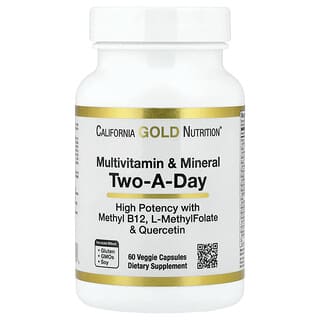
California Gold Nutrition
Daily Multivitamins
alpha lipoic acid · 25 mg
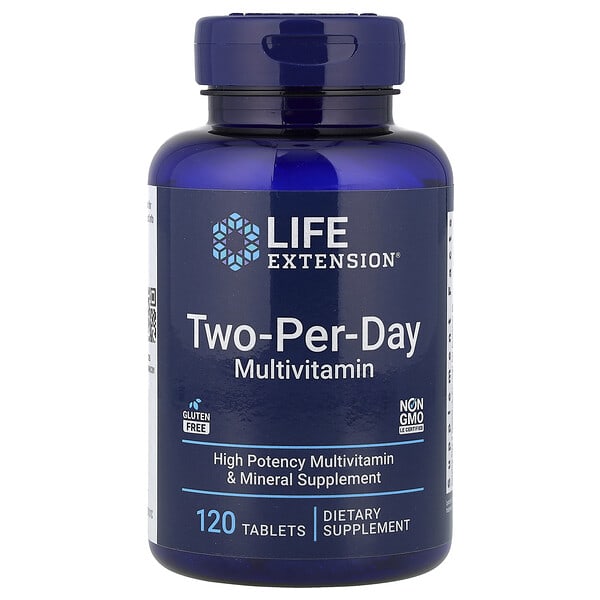
Life Extension
Two-Per-Day Multivitamin, V2, 120 Tablets
alpha lipoic acid · 25 mg
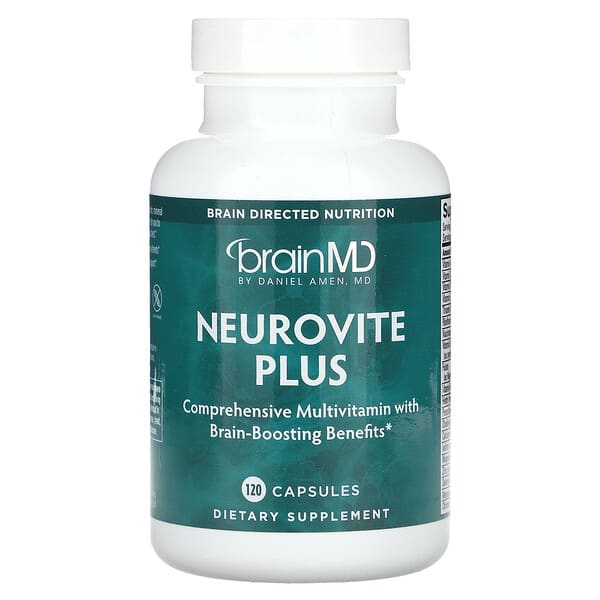
BrainMD
Neurovite Plus
alpha-lipoic acid · 300 mg
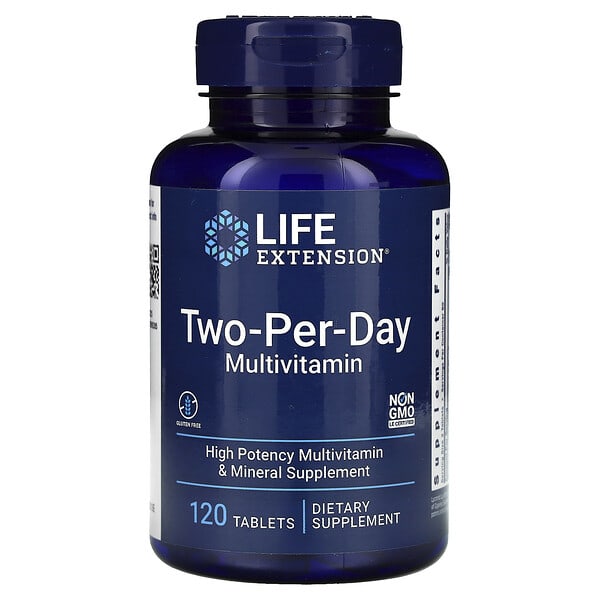
Life Extension
Two-Per-Day Multivitamin, 120 Tablets
alpha lipoic acid · 25 mg
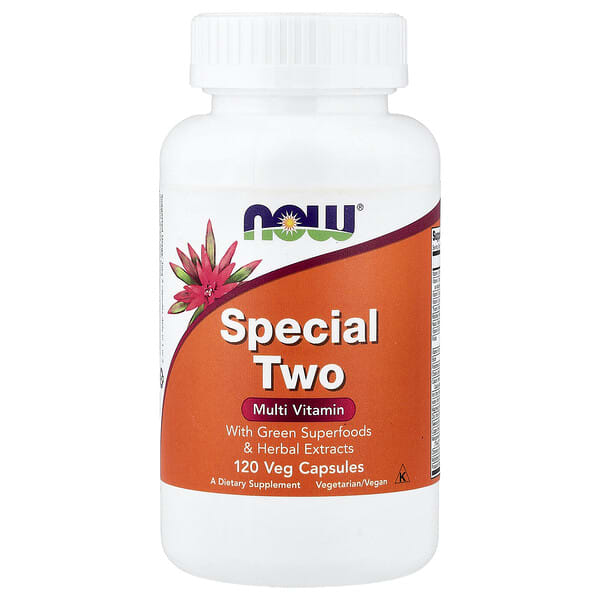
NOW
Special Two
alpha lipoic acid · 50 mg
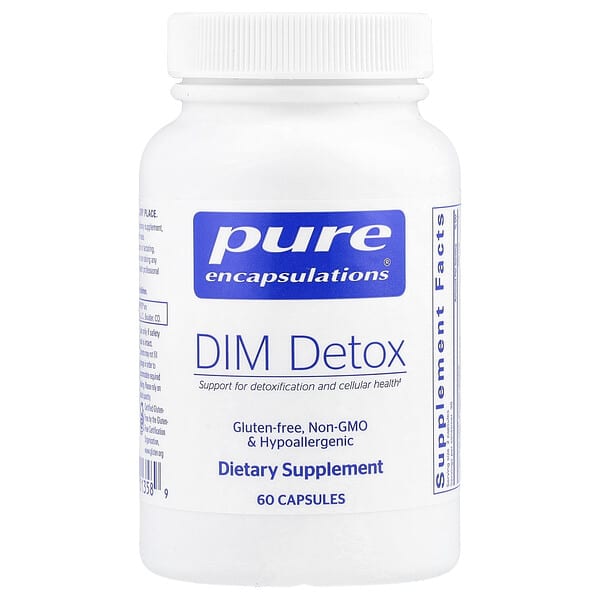
Pure Encapsulations
DIM Detox
alpha lipoic acid · 200 mg