Best Vitamin B9 for Liver
Top 9 products ranked
Last reviewed May 2026
Clinical dose: 400–800 mcg
Why Vitamin B9 for Liver
Vitamin B9 plays a supporting role in liver. Critical for DNA synthesis, cell division, and methylation reactions. 5-MTHF (methylfolate) is the bioactive form that the body can use directly, unlike synthetic folic acid which requires multi-step conversion via the MTHFR enzyme.
What dose to look for
Clinical studies typically use 400–800 mcg of vitamin b9. Products below this range may not deliver meaningful results.
What form to look for
Avoid folic acid — synthetic, ~60% conversion rate. Look for methylfolate (5-mthf) for better absorption.
What the research says
Vitamin B9 has strong clinical evidence for liver benefits. Strong evidence for neural tube defect prevention; 40-50% of people have MTHFR variants affecting conversion Learn more
Clinical research on Folate (Vitamin B9)
LOW for liver specifically — essential for methylation, limited liver-specific data · 400–800 mcg DFE/day
- •Folate is essential for one-carbon metabolism and DNA methylation. Animal studies show folate deficiency exacerbates hepatic steatosis and fibrosis. Methyl-donor depletion diets (low choline + low folate) reliably induce NAFLD in rodents.
- •Observational data from NHANES suggests inverse association between folate intake and NAFLD prevalence, but confounding is significant (folate tracks with overall diet quality).
- •No RCTs demonstrate that folate supplementation reverses or prevents liver disease in humans with adequate dietary intake. Supplementation is warranted for deficiency correction, not as a liver-specific intervention.
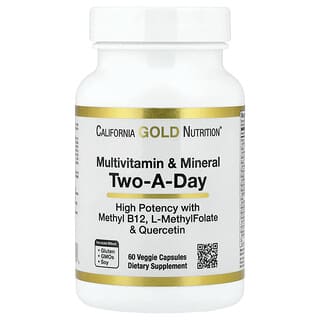
California Gold Nutrition
Daily Multivitamins
methyltetrahydrofolate · 680 mcg
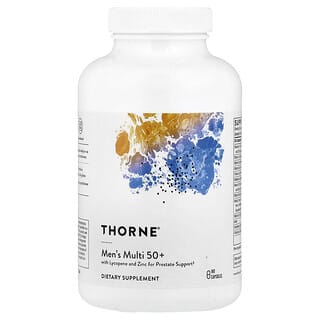
Thorne
Men's Multi 50+
methyltetrahydrofolate · 1700 mcg
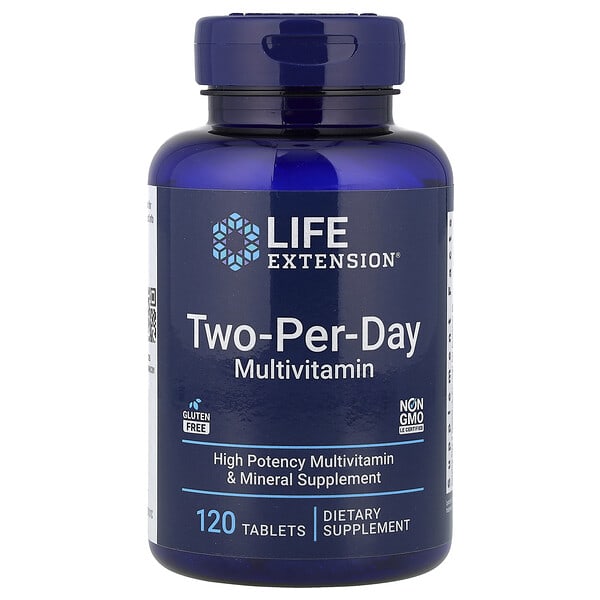
Life Extension
Two-Per-Day Multivitamin, V2, 120 Tablets
methyltetrahydrofolate · 680 mcg
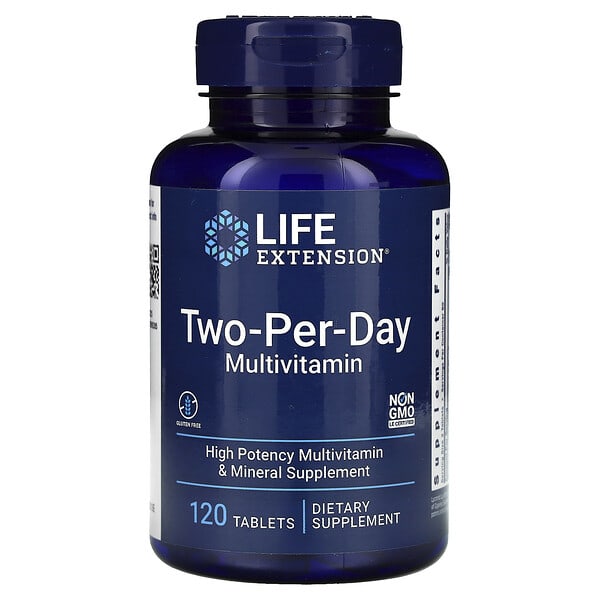
Life Extension
Two-Per-Day Multivitamin, 120 Tablets
methyltetrahydrofolate · 680 mcg
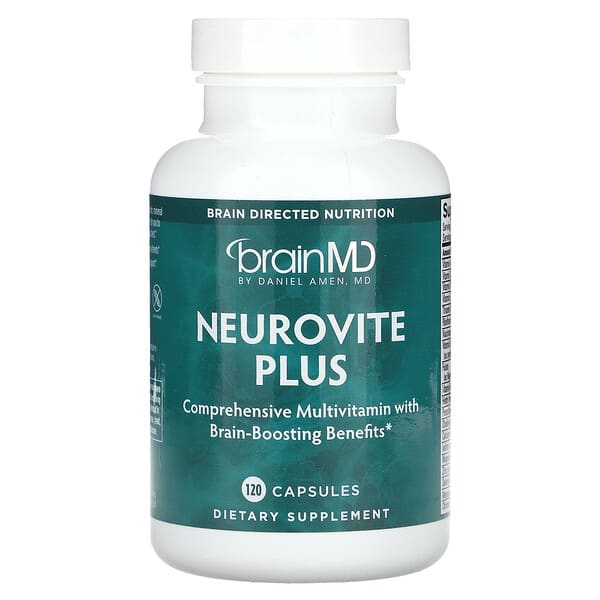
BrainMD
Neurovite Plus
methyltetrahydrofolate · 400 mcg
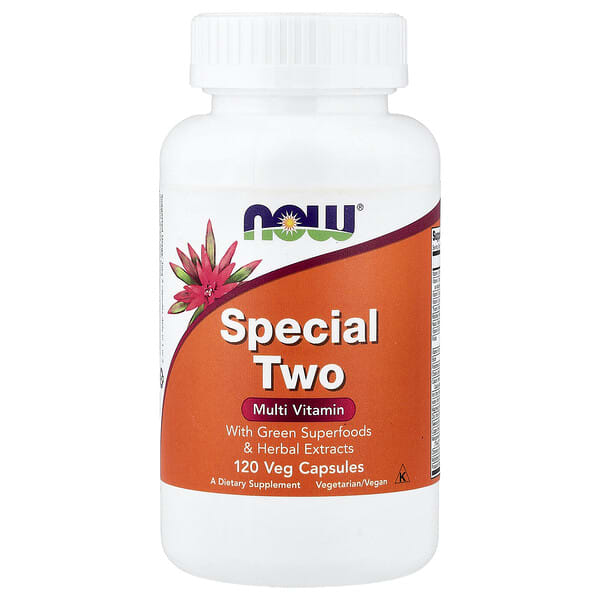
NOW
Special Two
folic acid · 400 mcg
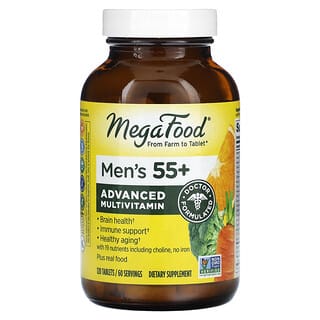
MegaFood
Men's 55+, Advanced Multivitamin
methyltetrahydrofolate · 340 mcg
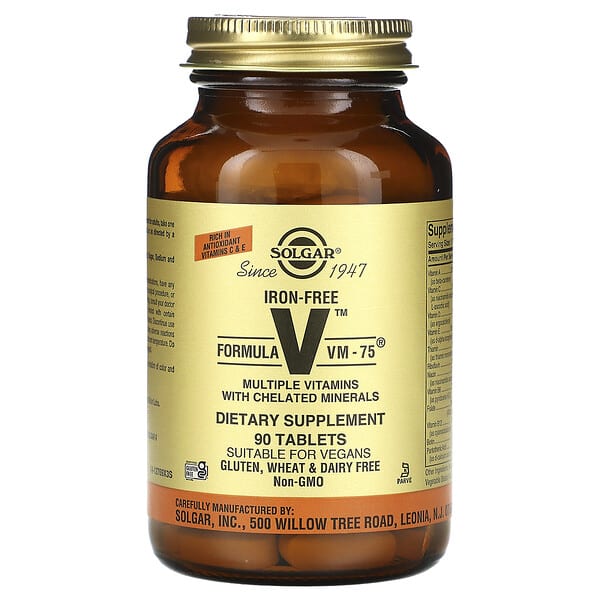
Solgar
Iron-Free Formula VM-75
folic acid · 400 mcg
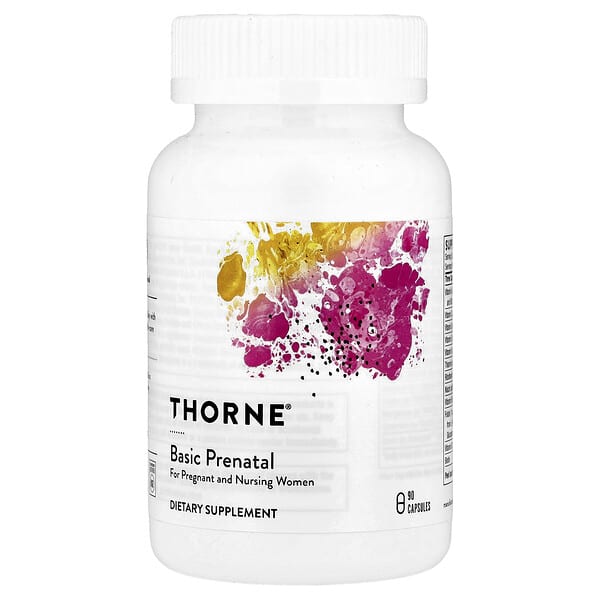
Thorne
Basic Prenatal, 90 Capsules
Mixed forms · 1700 mcg