What it does
A combination of 2 label ingredients.
Coenzyme Q10
ubiquinolPremium
Supports cellular energy production; supplement benefits depend on the condition and are not an automatic energy boost.
ALA
alpha-lipoic acidBudget
Studied for diabetic nerve symptoms, but longer-term trials suggest little or no symptom improvement.
Ingredients (2)
Other ingredients
Titanium DioxideColorant
Banned in the EU (2022) over concerns that its ultra-fine particles may damage DNA in gut cells. Still allowed in the US. Used only for white coloring — provides no health benefit.
AnnattoColorant
Natural yellow-orange colorant derived from the seeds of the achiote tree (Bixa orellana)
Silicon DioxideAnti-caking
Fine silica powder used to prevent clumping
Rice Bran OilCarrier
An oil pressed from rice bran, used as a carrier and emollient
GelatinCapsule
Protein derived from collagen, used in traditional capsule shells
GlycerinHumectant
Sweet-tasting liquid used in soft capsules and liquids
Purified WaterSolvent
Water meeting USP specifications used as solvent/vehicle in gummies and liquids
Sunflower LecithinEmulsifier
Non-GMO, non-allergenic emulsifier derived from sunflower seeds
Lab testing
How to take it
With a meal containing fat
ALA does better on an empty stomach, but something else in this bottle needs food. Taking the whole product with a meal is the better trade — an upset stomach is why most people stop.
On the label
As a dietary supplement, take one Softgel daily, preferably with a meal or as directed by a healthcare practitioner.
Price check
$29.95
$1.00 / serving
Near the median of 101 ALA supplements
Similar products
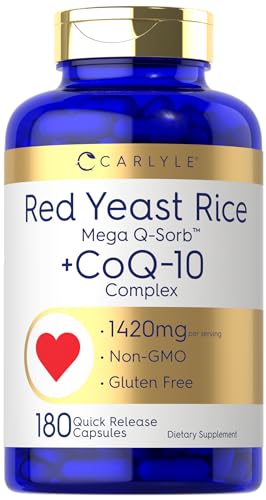
Carlyle
Red Yeast Rice with CoQ10 Complex 1420 mg
🧬 for Longevity
79
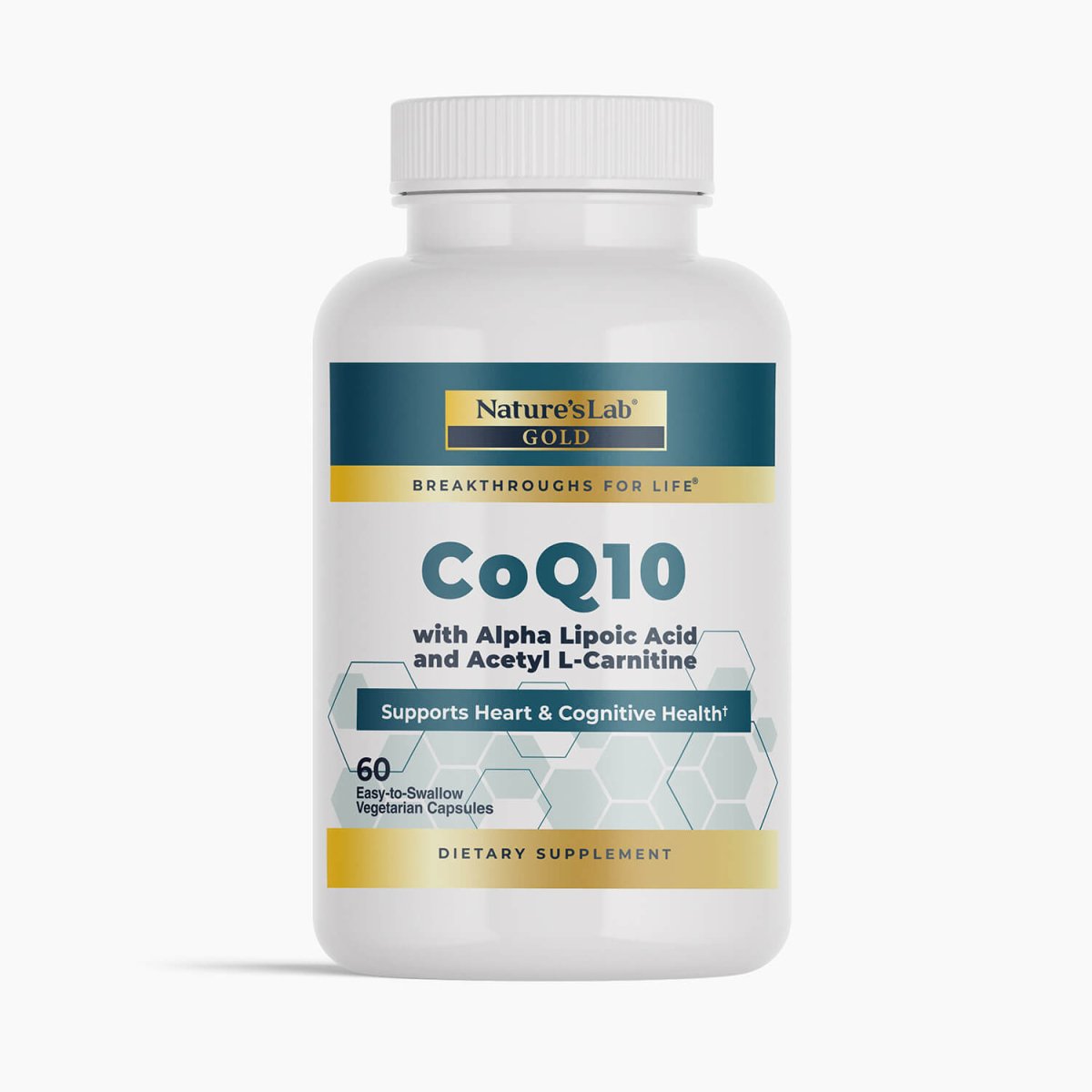
Nature's Lab
CoQ10 + Alpha Lipoic Acid + Acetyl L-Carnitine HCl
🧬 for Longevity
63
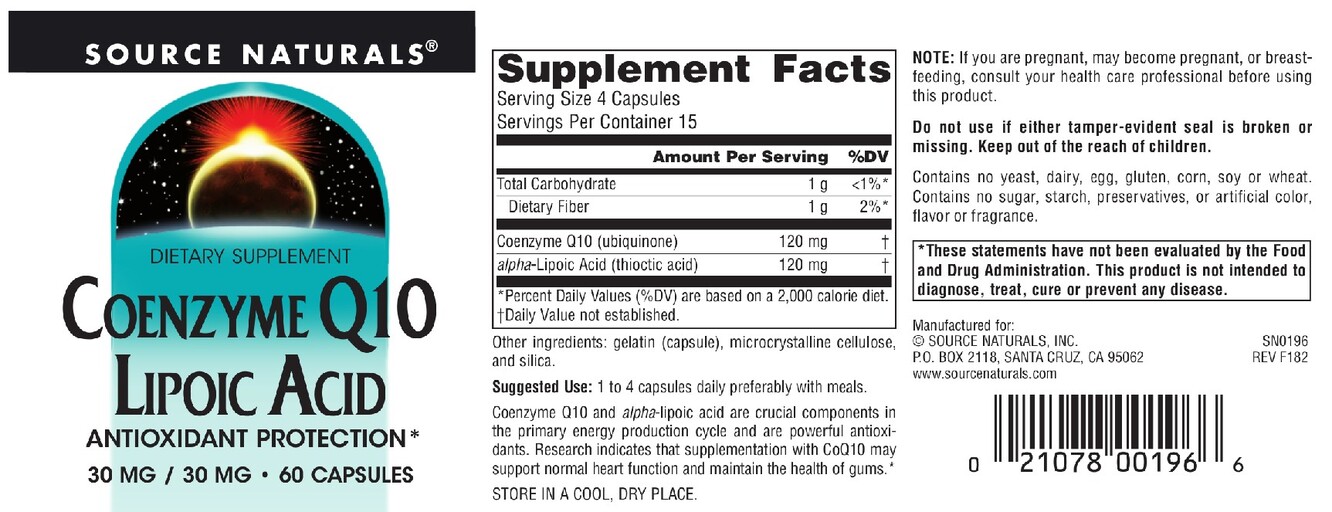
Source Naturals
Coenzyme Q10 30 mg Lipoic Acid 30 mg
🧬 for Longevity
55
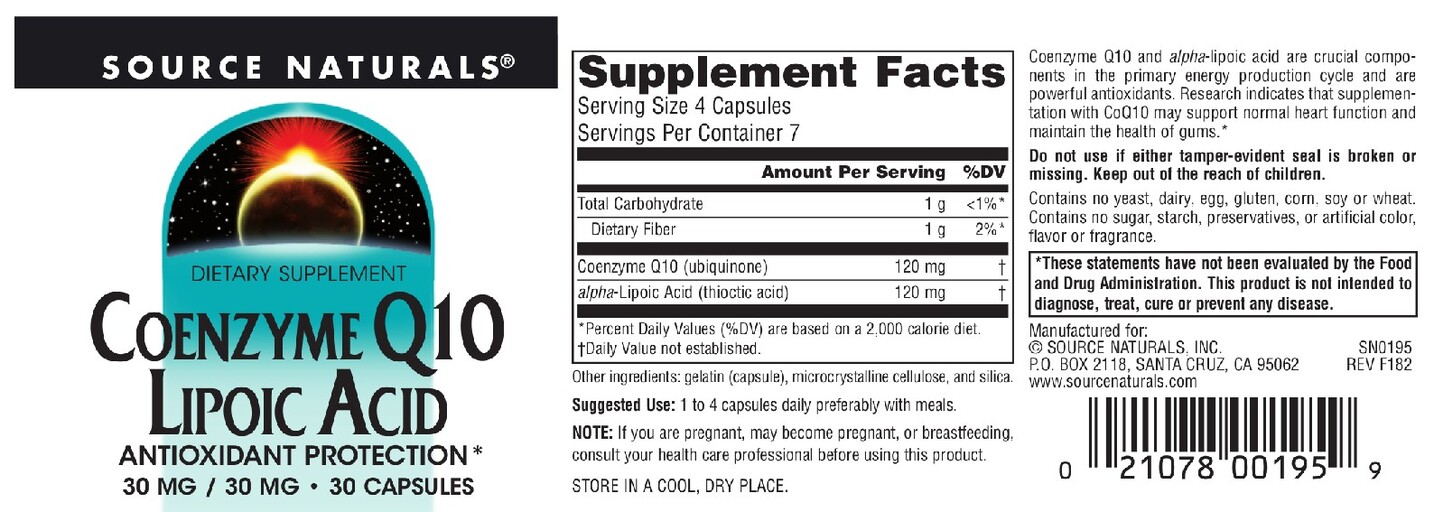
Source Naturals
Coenzyme Q10 Lipoic Acid 30 mg / 30 mg
🧬 for Longevity
55
Bioglan
CoQ10 300mg
🧬 for Longevity
100
Sources & Scoring
Nutrient data (RDA, UL, and safety thresholds) sourced from the NIH Office of Dietary Supplements and the National Academies Dietary Reference Intakes (DRI).
This is not medical advice. Consult a healthcare provider before making changes to your supplement routine.
The score analyzes what's on the label: ingredient doses vs. studied ranges, chemical forms, evidence levels, and known interactions. It does not verify label accuracy or test for contaminants — for that, look for third-party certifications like USP or NSF.
Not medical advice. Consult your healthcare professional.