BioStacks
Best for
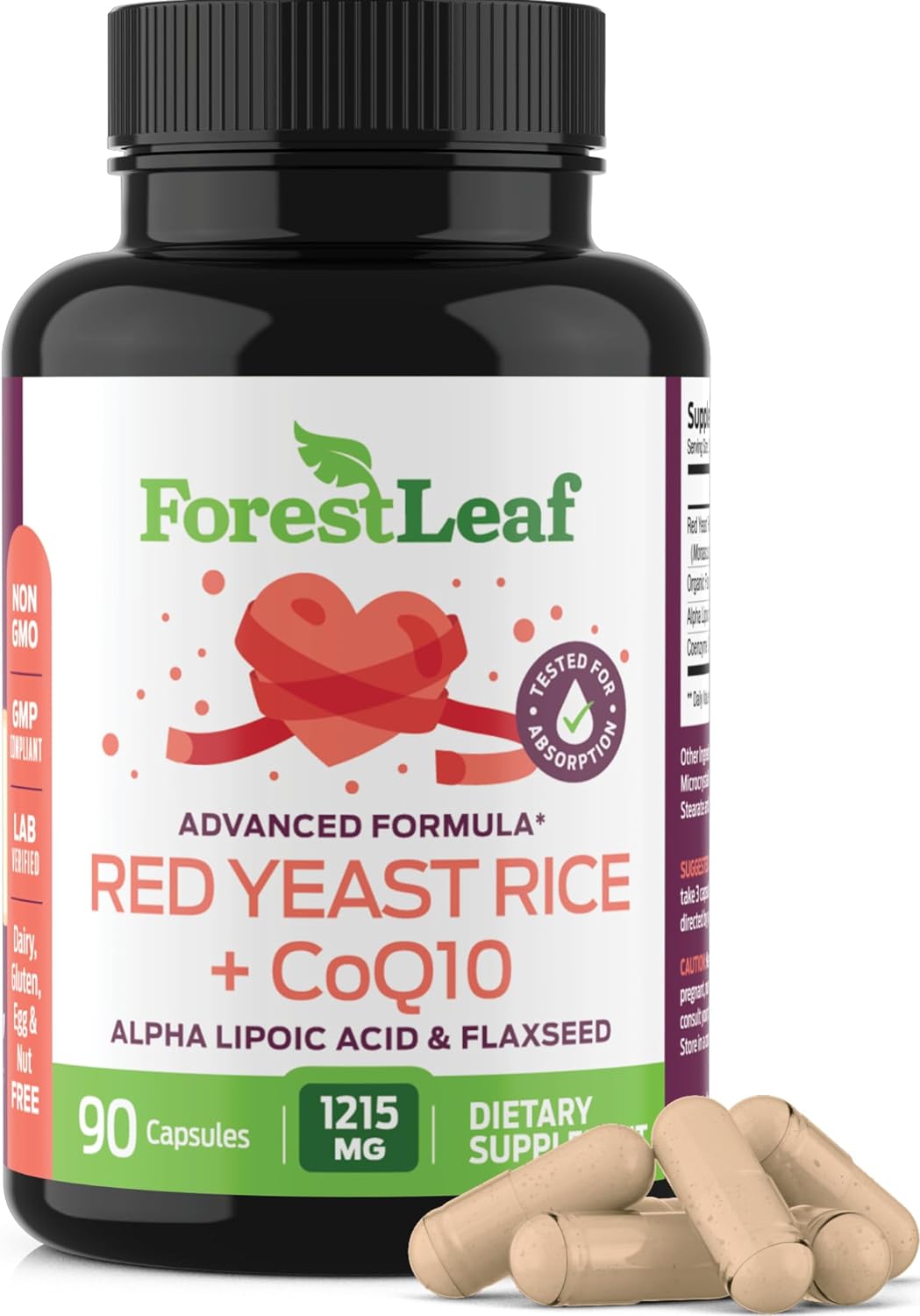
Ingredients (4)
Red Yeast Rice/CoQ-10 Complex
100%Dose
1420 mg
Target
1200–2400 mg
Form
—
Mega Q-Sorb™ Coenzyme Q-10
100%Dose
120 mg
Target
100–300 mg
Form
—
Red Yeast Rice (Monascus purpureus)
100%Dose
1200 mg
Target
1200–2400 mg
Form
—
Alpha Lipoic Acid
33%Dose
100 mg
Target
300–600 mg
Form
Budget
Other Ingredients (4)
Rice FlourFiller
Rice-based ingredients carry risk of inorganic arsenic contamination (FDA and Consumer Reports). Rice accumulates arsenic from soil at higher rates than other grains. Used as a cheap filler — adds nothing beneficial.
Silicon DioxideAnti-caking
Fine silica powder used to prevent clumping
Magnesium StearateLubricant
A salt of stearic acid used as a lubricant in tablet and capsule production
GelatinCapsule
Protein derived from collagen, used in traditional capsule shells
How to Take It
Take it anytime
Fat-soluble — absorbs far better with a fat-containing meal. Time of day doesn't matter.
With a meal containing fat
ALA does better on an empty stomach, but something else in this bottle needs food. Taking the whole product with a meal is the better trade — an upset stomach is why most people stop.
On the label
For adults, take two (2) quick release capsules one to two times daily, preferably with meals. Do not exceed four (4) quick release capsules in a 24 hour period.
General guidance based on the ingredients, not a substitute for the label or your doctor.
Price Check
$25.87
Near the median of 48 red yeast rice supplements
Track this supplement in your stack
Get personalized insights, interactions, and coverage recommendations.
Get Started FreeSimilar Supplements
Sources & Scoring
Nutrient data (RDA, UL, and safety thresholds) sourced from the NIH Office of Dietary Supplements and the National Academies Dietary Reference Intakes (DRI).
This is not medical advice. Consult a healthcare provider before making changes to your supplement routine.
The score analyzes what's on the label: ingredient doses vs. studied ranges, chemical forms, evidence levels, and known interactions. It does not verify label accuracy or test for contaminants — for that, look for third-party certifications like USP or NSF.