BioStacks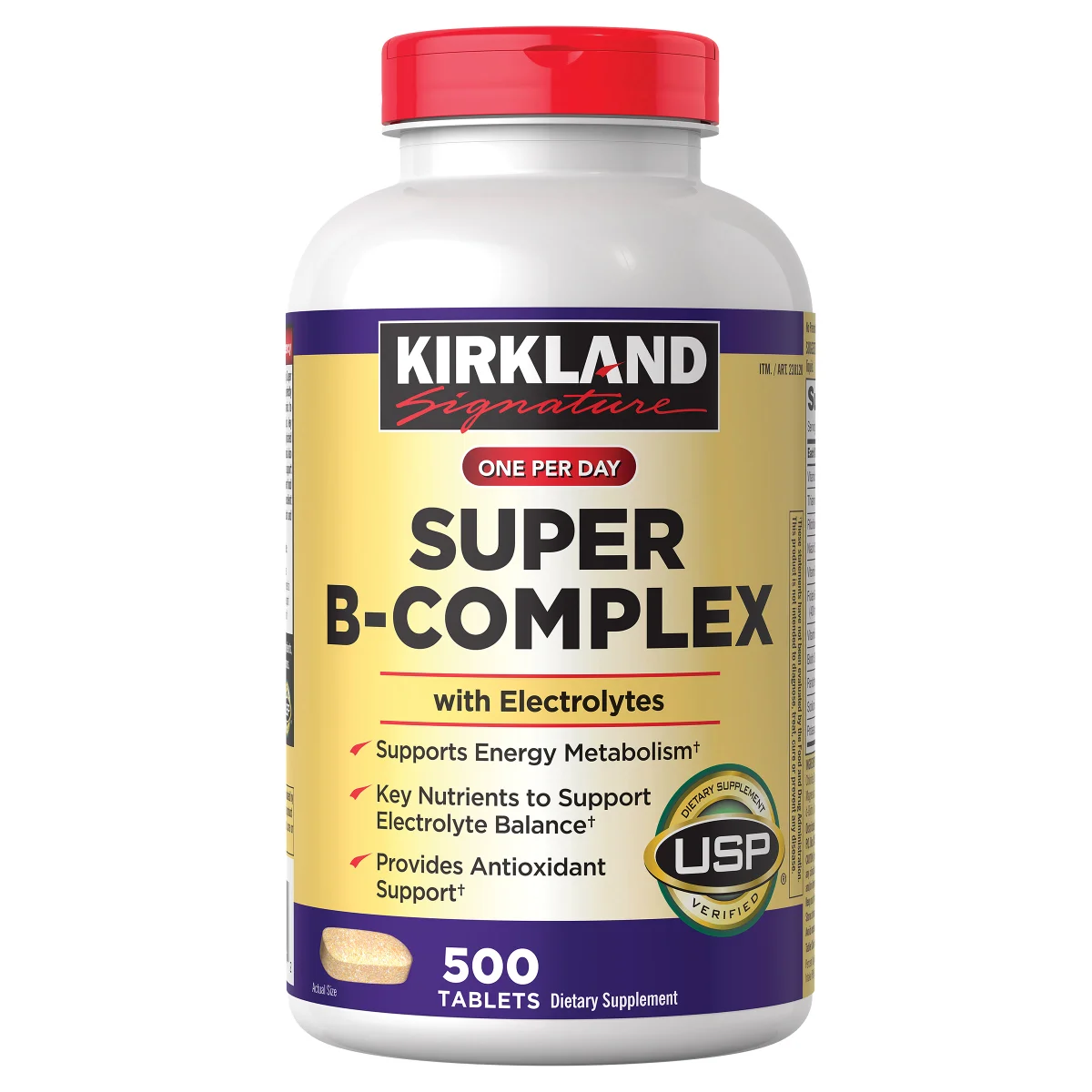
Best for
Ingredients (10)
Niacin
100%Dose
48 mg ne
Target
25–500 mg
Form
—
Sodium
90%Dose
270 mg
Target
300–1000 mg
Form
—
Vitamin B6
40%Dose
10 mg
Target
25–100 mg
Form
—
Pantothenic acid
72%Dose
36 mg
Target
50–500 mg
Form
—
Biotin
30%Dose
300 mcg
Target
1000–5000 mcg
Form
—
Other Ingredients (8)
SucraloseSweetener
Dose context matters. As a trace excipient in a tablet coating or capsule, the amount is minimal and not a meaningful concern. The evidence below applies to the gram-level intakes typical of sweetened protein powders, pre-workouts, and drink mixes: a 2022 human trial (Suez et al., Cell) showed sucralose disrupts gut bacteria and worsens blood sugar control in healthy adults, and a 2023 study (Schiffman et al.) found that sucralose-6-acetate — a compound formed when sucralose is digested — was genotoxic to human cells in vitro. It remains an artificial sweetener with no nutritional purpose.
SorbitolSweetener
A FODMAP sugar alcohol that may trigger GI discomfort (bloating, gas) in individuals with IBS or sorbitol malabsorption, even at small amounts found in supplements. Avoided in low-FODMAP diets.
Beet ColorColorant
Natural red-pink colorant from dehydrated beets or beet juice; the pigment is betanin
Ascorbic AcidAntioxidant
Vitamin C used as an antioxidant preservative in supplements to prevent oxidation
Citric AcidAcidulant
Natural acid derived from citrus fruits
StarchBinder
Carbohydrate polymer used as a binder, filler, and disintegrant in tablets and capsules
Natural Orange FlavorFlavor
A natural flavoring derived from orange to mask supplement taste
Sodium CarbonatesBuffering Agent
Alkaline buffering agents used to adjust pH and improve stability of supplement formulations
How to Take It
Take it anytime
No evidence a formula this broad works better at any particular hour. Take it with food — the niacin in it is what makes this kind of product feel nauseating on an empty stomach.
With food
On the label
Adults dissolve 1 tablet in 500ml cold water. Alternatively, the tablet may be split and dissolved in 250ml cold water and taken morning and afternoon. Do not exceed the stated dose.
General guidance based on the ingredients, not a substitute for the label or your doctor.
Price Check
$9.95
Cheaper than 97% of 118 hydration supplements
Track this supplement in your stack
Get personalized insights, interactions, and coverage recommendations.
Get Started FreeSimilar Supplements
Kirkland Signature
Super B-Complex with Electrolytes
🤰 for Pregnancy
48
Kirkland Signature
Super B-Complex With Electrolytes
🤰 for Pregnancy
21
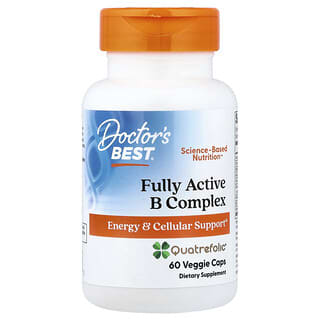
Doctor's Best
Fully Active B Complex with Quatrefolic
⚡ for Energy
82
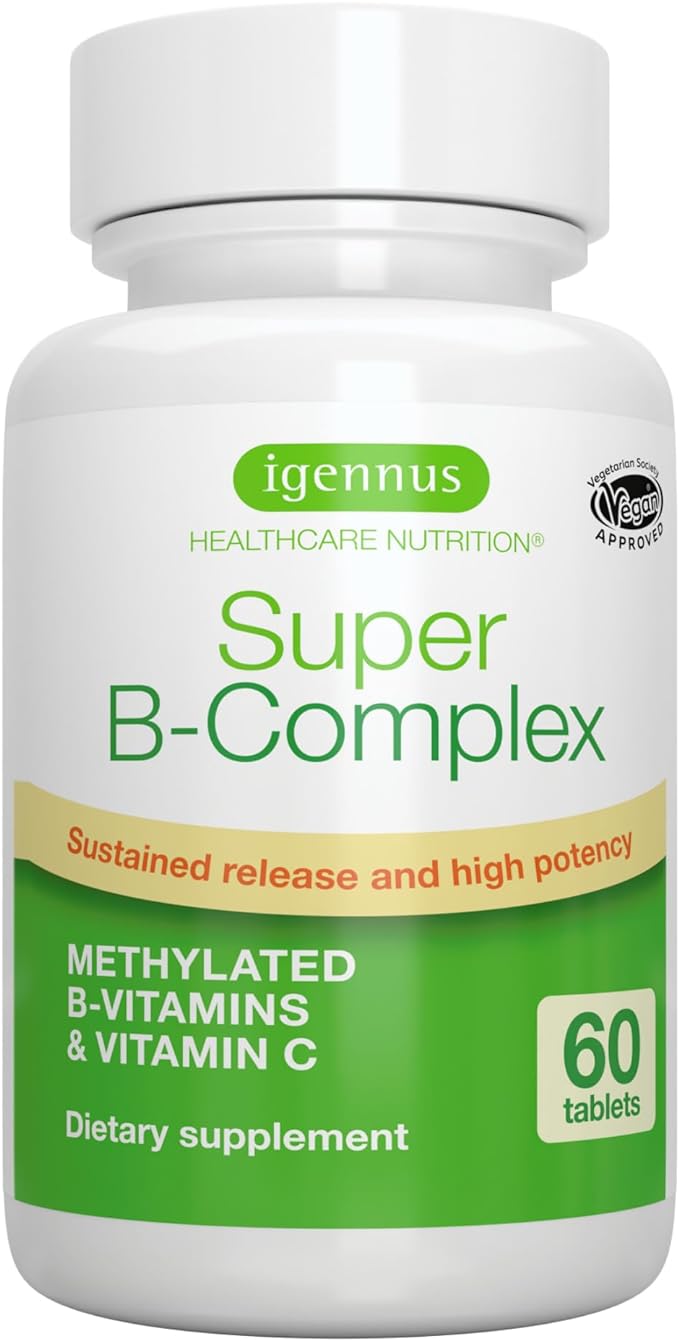
Igennus Healthcare Nutrition
Super B-Complex
🤰 for Pregnancy
74
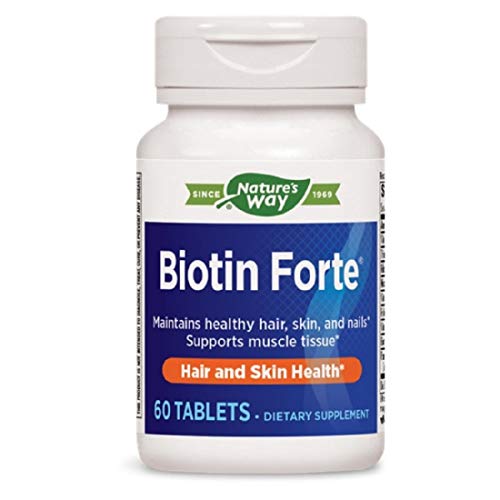
Nature's Way
Biotin Forte
🤰 for Pregnancy
59
Sources & Scoring
Nutrient data (RDA, UL, and safety thresholds) sourced from the NIH Office of Dietary Supplements and the National Academies Dietary Reference Intakes (DRI).
This is not medical advice. Consult a healthcare provider before making changes to your supplement routine.
The score analyzes what's on the label: ingredient doses vs. studied ranges, chemical forms, evidence levels, and known interactions. It does not verify label accuracy or test for contaminants — for that, look for third-party certifications like USP or NSF.