What it does
A combination of 2 label ingredients.
Bifidobacterium lactis Bi-07
Mixed formsGrade —
Label lists Bifidobacterium lactis Bi-07. Benefit information is limited.
Prebiotic Fiber
Form not confirmedGrade —
May improve stool frequency and consistency in people with constipation; pain and bloating benefits remain unestablished.
Ingredients (4)
Bifidobacterium lactis Bi-07
Amount not found
Lactobacillus acidophilus NCFM
Amount not found
Other ingredients
MaltodextrinBinder
Spikes blood sugar faster than table sugar (glycemic index 85–105). Research links it to gut bacteria changes that may promote intestinal inflammation (Nickerson et al. 2015). Used as a cheap filler — adds nothing beneficial.
InulinFiller
Prebiotic soluble fiber from chicory root, used as a filler and flow agent in capsules and tablets
Lactobacillus acidophilusProbiotic
Live probiotic bacterium native to the human GI tract and found in fermented foods. NCFM and La-14 are the most-studied strains with RCT evidence for digestive health, antibiotic-associated diarrhea, and lactose tolerance.
Bifidobacterium lactis Bi-07
Not reviewed yet
Lab testing
How to take it
With food
Keep it away from hot food or drink
On the label
Mix about ¼ teaspoon (.75 g) with four to six ounces of room temperature water one to two times daily between meals, or as directed by your healthcare practitioner.
The label says to take it on an empty stomach. What's in this one sits better with food, and you give up little by taking it that way.
Price check
$54.73
$0.82 / serving
Pricier than 81% of 137 probiotics supplements
Similar products
Garden of Life Dr. Formulated Probiotics
Once Daily Men's 50 Billion Guaranteed
🍏 for Digestion
63
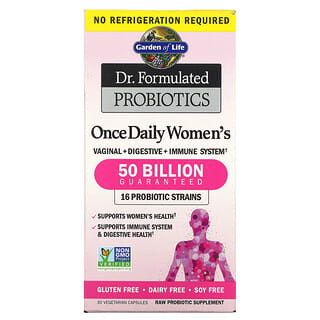
Garden of Life Dr. Formulated Probiotics
Once Daily Women's
🍏 for Digestion
63
NaturesPlus GI Natural
Pro-Biotic Mega
🍏 for Digestion
63
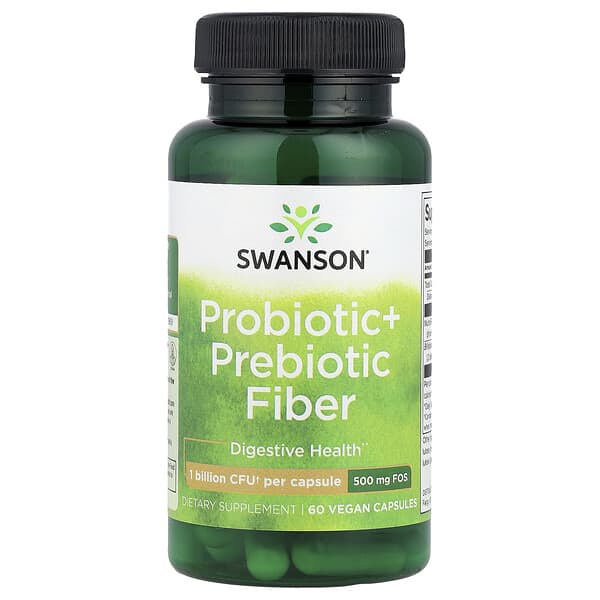
Swanson
Probiotic + Prebiotic Fiber
🍏 for Digestion
59
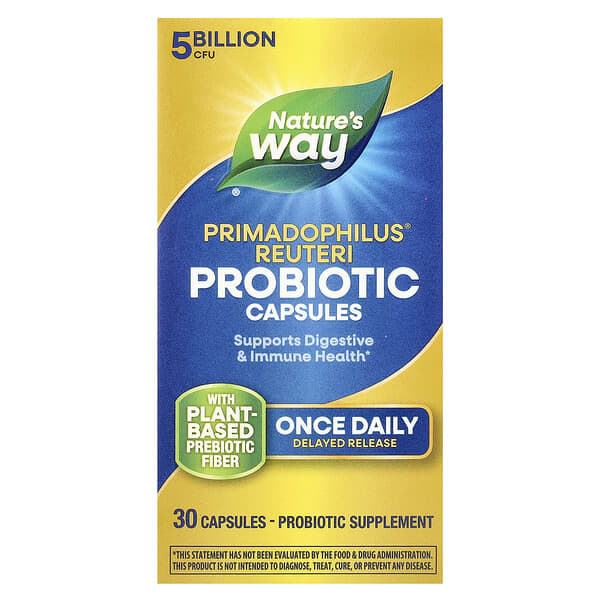
Nature's Way
Primadophilus® Reuteri Probiotic, 5 Billion CFU
🍏 for Digestion
53
Sources & Scoring
Nutrient data (RDA, UL, and safety thresholds) sourced from the NIH Office of Dietary Supplements and the National Academies Dietary Reference Intakes (DRI).
This is not medical advice. Consult a healthcare provider before making changes to your supplement routine.
The score analyzes what's on the label: ingredient doses vs. studied ranges, chemical forms, evidence levels, and known interactions. It does not verify label accuracy or test for contaminants — for that, look for third-party certifications like USP or NSF.
Not medical advice. Consult your healthcare professional.