BioStacksAsk AI about this product
What it does
Some label ingredients could not be identified; product purpose is not confirmed.
Glutamine
Form not confirmedGrade —
Label lists L-Glutamine (1 g). Benefit information is limited.
Sodium
Form not confirmedGrade —
Label lists Sodium (240 mg). Benefit information is limited.
Ingredients (7)
Other ingredients
XylitolSweetener
A FODMAP sugar alcohol that can cause GI distress (bloating, gas, diarrhea) at moderate doses (>10-20g/day), though supplement amounts are typically small. Extremely toxic to dogs — households with pets should store securely.
Grape Skin Extract (Color)Colorant
Natural purple-red colorant from grape skins; the pigments are anthocyanins
Natural FlavorsFlavor
Broad regulatory category of flavor constituents derived from natural sources. Composition is proprietary and not disclosed — 'Natural Flavors' can include several hundred different compounds depending on the target flavor profile, including hexane-extracted constituents and proprietary carrier solvents. 'Natural' is a regulatory definition (21 CFR §101.22), not a safety guarantee.
Silicon DioxideAnti-caking
Fine silica powder used to prevent clumping
Citric AcidAcidulant
Natural acid derived from citrus fruits
Guar GumThickener
Natural thickener derived from guar beans
Malic AcidAcidulant
Naturally occurring organic acid found in apples, used as a flavor enhancer and acidulant in supplements
Sodium CarbonatesBuffering Agent
Alkaline buffering agents used to adjust pH and improve stability of supplement formulations
Lab testing
How to take it
On an empty stomach
On the label
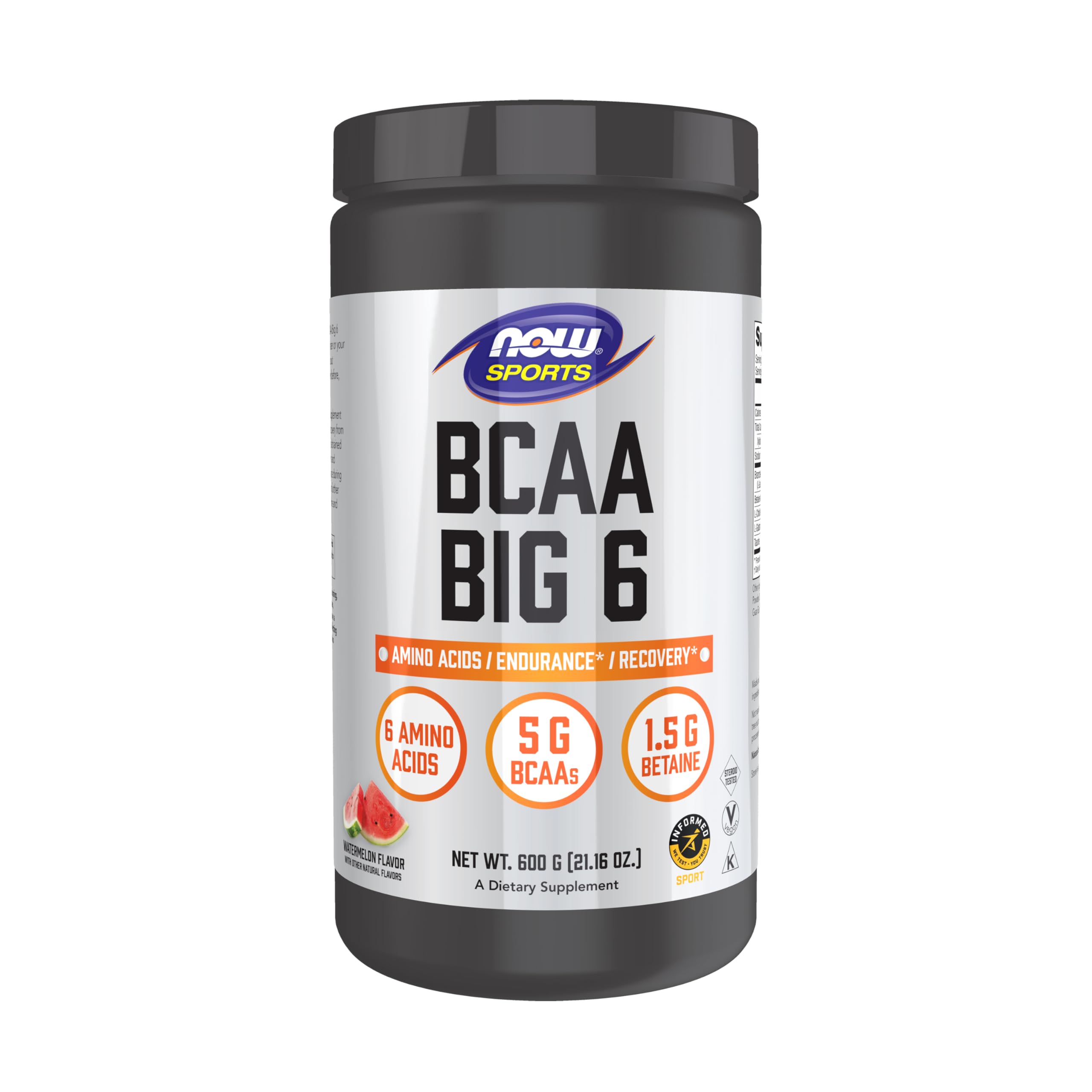
Add 1 level scoop of BCAA Big 6 to a glass or shaker cup filled with 14-16 oz. of water or your favorite beverage. Stir or shake vigorously for about 15-20 seconds to ensure a good mix. Can be taken before, during, or after exercise. Store in a cool, dry, dark place after opening.
Price check
$35.60
$1.11 / serving
Pricier than 95% of 31 BCAA supplements
Similar products
Sources & Scoring
Nutrient data (RDA, UL, and safety thresholds) sourced from the NIH Office of Dietary Supplements and the National Academies Dietary Reference Intakes (DRI).
This is not medical advice. Consult a healthcare provider before making changes to your supplement routine.
The score analyzes what's on the label: ingredient doses vs. studied ranges, chemical forms, evidence levels, and known interactions. It does not verify label accuracy or test for contaminants — for that, look for third-party certifications like USP or NSF.
Not medical advice. Consult your healthcare professional.