BioStacksAsk AI about this product
What it does
A combination of 4 label ingredients.
Vitamin C
ascorbic acidBudget
Supports normal collagen production and immune function, and helps the body absorb iron from plant foods.
Vitamin E
Mixed formsGrade —
Helps protect cells from oxidative damage and supports normal immune function.
Ingredients (4)
Nutrition
Calories, macros & sodium.
- Calories15 Calorie(s)
- Total Carbohydrates3 Gram(s)
- Total Sugars2 Gram(s)
Other ingredients
Caramel ColorColor
Class III and IV caramel colors contain 4-methylimidazole (4-MEI), classified by IARC as Group 2B (possibly carcinogenic to humans) in 2011 (Monograph Vol. 101). California Prop 65 lists 4-MEI as a known carcinogen; products delivering >29 mcg/day require a cancer warning label. NTP TR-535 (2007) found 4-MEI caused lung tumors in mice. Major cola brands (Coca-Cola, Pepsi) voluntarily reformulated 2012-2014 to reduce 4-MEI below California thresholds. Because labels never specify Class I (sugar + heat only, safer) vs Class III/IV (ammonia-process, contains 4-MEI), consumers cannot verify which they're consuming. Combined with the additive's purely cosmetic purpose, the risk:benefit ratio is unfavorable for any supplement.
SucroseSweetener
Added sugars and high glycemic load; dental caries risk
Glucose SyrupSweetener
High glycemic load; source typically corn (generally gluten-free)
Natural FlavorsFlavor
Broad regulatory category of flavor constituents derived from natural sources. Composition is proprietary and not disclosed — 'Natural Flavors' can include several hundred different compounds depending on the target flavor profile, including hexane-extracted constituents and proprietary carrier solvents. 'Natural' is a regulatory definition (21 CFR §101.22), not a safety guarantee.
Carnauba WaxCoating
Hard plant wax from the carnauba palm used to glaze gummies and tablets
Citric AcidAcidulant
Natural acid derived from citrus fruits
GelatinCapsule
Protein derived from collagen, used in traditional capsule shells
PectinGelling Agent
Plant polysaccharide from citrus peels or apple pomace used to gel pectin-based gummies
Lab testing
How to take it
With a meal containing fat
On the label
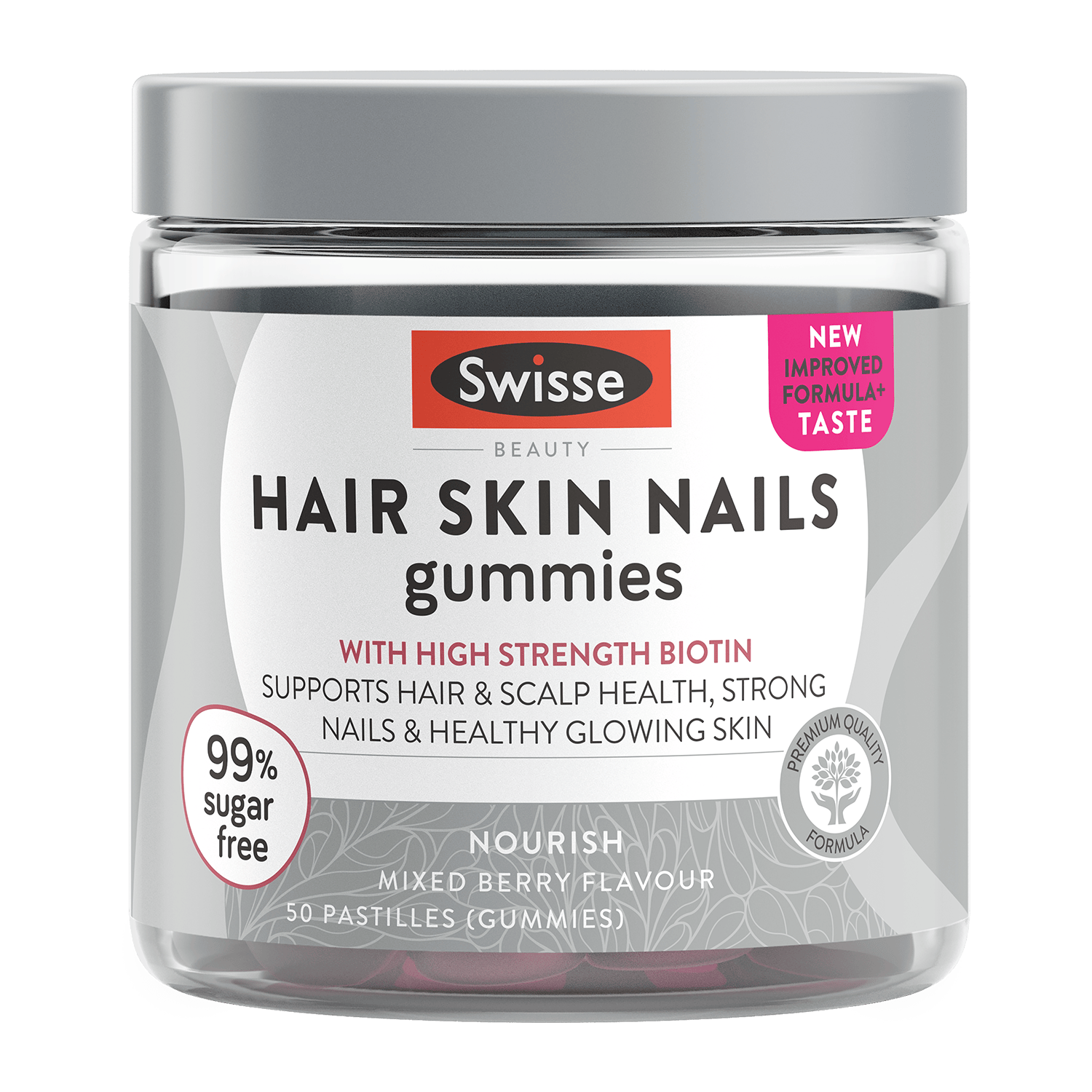
On the daily Chew two gummies, no food or water needed.
Price check
No price yet
What 18 hair supplements cost
Similar products
Sources & Scoring
Nutrient data (RDA, UL, and safety thresholds) sourced from the NIH Office of Dietary Supplements and the National Academies Dietary Reference Intakes (DRI).
This is not medical advice. Consult a healthcare provider before making changes to your supplement routine.
The score analyzes what's on the label: ingredient doses vs. studied ranges, chemical forms, evidence levels, and known interactions. It does not verify label accuracy or test for contaminants — for that, look for third-party certifications like USP or NSF.
Not medical advice. Consult your healthcare professional.