BioStacks
Best for
Ingredients (21)
Vitamin B6
100%Dose
2 mg
Target
1.3–25 mg
Form
—
Niacin
72%Dose
18 mg
Target
25–500 mg
Form
—
Pantothenic Acid
14%Dose
7 mg
Target
50–500 mg
Form
—
Biotin
4%Dose
35 mcg
Target
1000–5000 mcg
Form
—
DHA
80%Dose
200 mg
Target
250–1000 mg
Form
—
Other Ingredients (25)
Artificial ColorsColorant
May trigger hyperactivity in sensitive children; potential link to allergic reactions
BiotinFood
Vitamin B7, a water-soluble B-vitamin.
Folic AcidVitamin
Synthetic form of vitamin B9 used for fortification — supports red blood cell formation and neural tube development. Pharmacologically distinct from the natural/active form (5-methyltetrahydrofolate, methylfolate).
Beta-Carotene (color)Color
Beta-carotene used in small amounts as a colorant/antioxidant.
Soy LecithinEmulsifier
Widely used emulsifier derived from soybeans
Calcium CarbonateBuffer
Common calcium salt used as a buffering agent, filler, or mineral fortification in supplements
Calcium CarbonateBuffer
Common calcium salt used as a buffering agent, filler, or mineral fortification in supplements
IronMineral
Essential trace mineral naturally present in many plant-based supplement ingredients
How to Take It
Take it anytime
No evidence a formula this broad works better at any particular hour. Take it with a meal containing fat — the vitamins A, D and E in it absorb poorly without one.
With a meal containing fat
Keep it away from coffee, tea and dairy
Space it a couple of hours from Magnesium, Manganese and Green Tea Leaf Extract
On the label
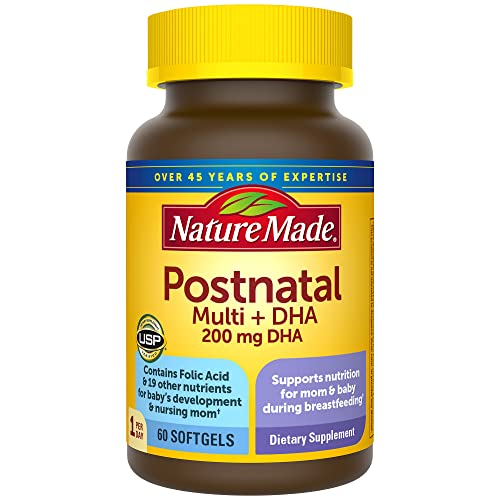
Adults, take one softgel daily with food.
General guidance based on the ingredients, not a substitute for the label or your doctor.
Price Check
$19.62
Cheaper than 66% of 798 multivitamins
Track this supplement in your stack
Get personalized insights, interactions, and coverage recommendations.
Get Started FreeSimilar Supplements
Sources & Scoring
Nutrient data (RDA, UL, and safety thresholds) sourced from the NIH Office of Dietary Supplements and the National Academies Dietary Reference Intakes (DRI).
This is not medical advice. Consult a healthcare provider before making changes to your supplement routine.
The score analyzes what's on the label: ingredient doses vs. studied ranges, chemical forms, evidence levels, and known interactions. It does not verify label accuracy or test for contaminants — for that, look for third-party certifications like USP or NSF.