Best Zinc for Sleep
Top 10 products ranked
Last reviewed May 2026
Clinical dose: 15–30 mg
Why Zinc for Sleep
Zinc plays a supporting role in sleep. Involved in over 300 enzymes and critical for immune function, wound healing, protein synthesis, and DNA repair. Zinc picolinate and zinc bisglycinate are the best-absorbed supplemental forms, while zinc oxide has poor bioavailability.
What dose to look for
Clinical studies typically use 15–30 mg of zinc. Common supplement dose; UL is 40 mg/day. Products below this range may not deliver meaningful results.
What form to look for
Avoid zinc oxide — poorly absorbed. Avoid zinc sulfate — lower absorption, may cause nausea. Look for zinc picolinate or zinc bisglycinate for better absorption.
What the research says
Zinc has strong clinical evidence for sleep benefits. Meta-analyses of 30+ trials confirm immune benefits; reduces common cold duration by ~33% Learn more
Clinical research on Zinc
LOW — Limited evidence for sleep · 15–30 mg elemental zinc
- •2017 study found zinc supplementation (220 mg zinc sulfate) improved sleep onset latency and sleep efficiency in ICU nurses.
- •Limited evidence suggesting zinc may modestly improve sleep quality, potentially through melatonin synthesis support.
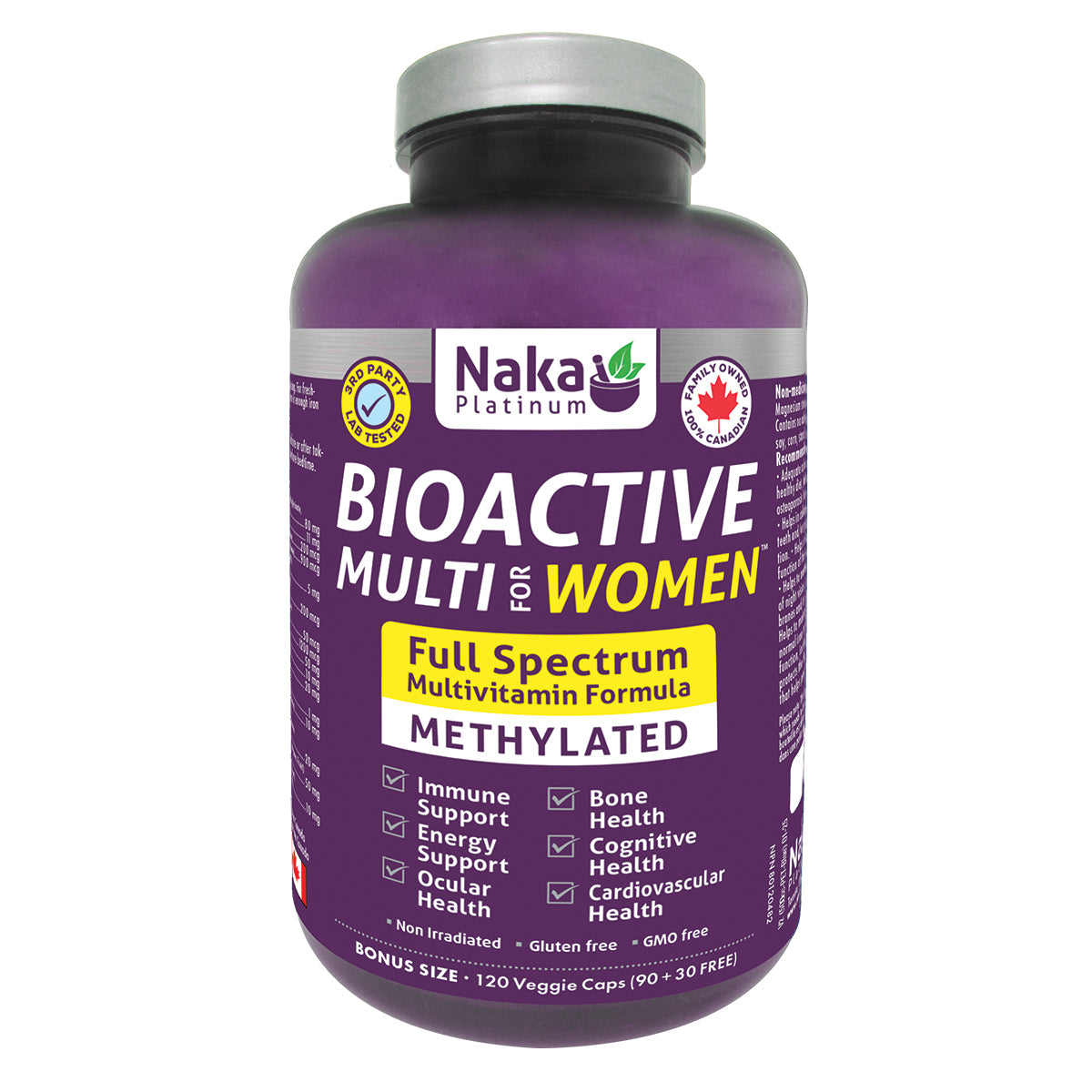
Naka Platinum
Bioactive Multi for Women, 120 Veggie Caps
zinc bisglycinate · 11 mg
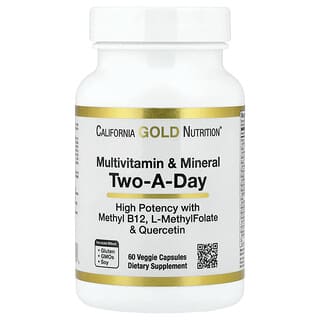
California Gold Nutrition
Daily Multivitamins
zinc citrate · 25 mg
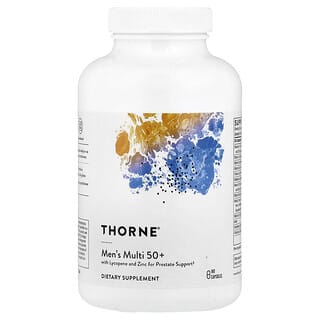
Thorne
Men's Multi 50+
zinc bisglycinate · 15 mg
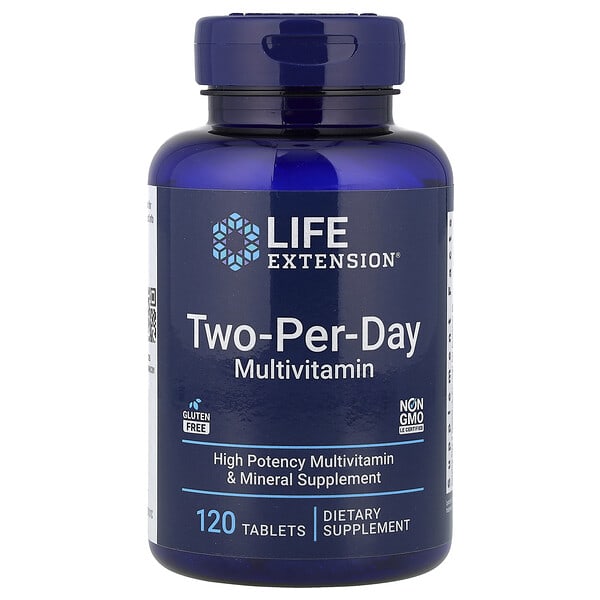
Life Extension
Two-Per-Day Multivitamin, V2, 120 Tablets
Mixed forms · 2.5 mg
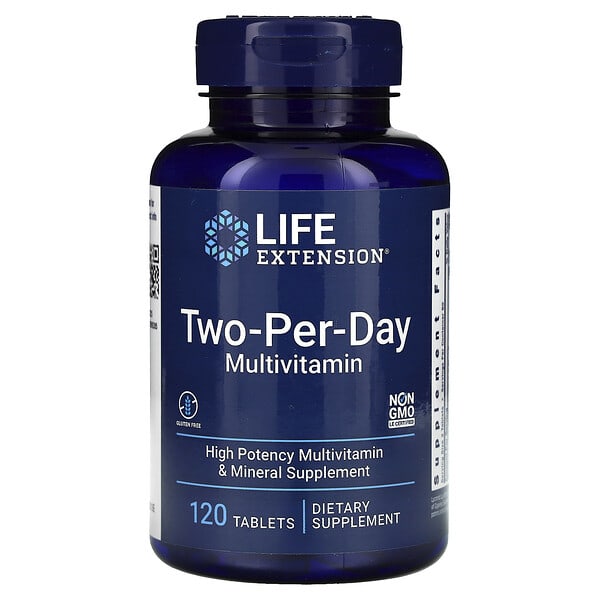
Life Extension
Two-Per-Day Multivitamin, 120 Tablets
Mixed forms · 25 mg
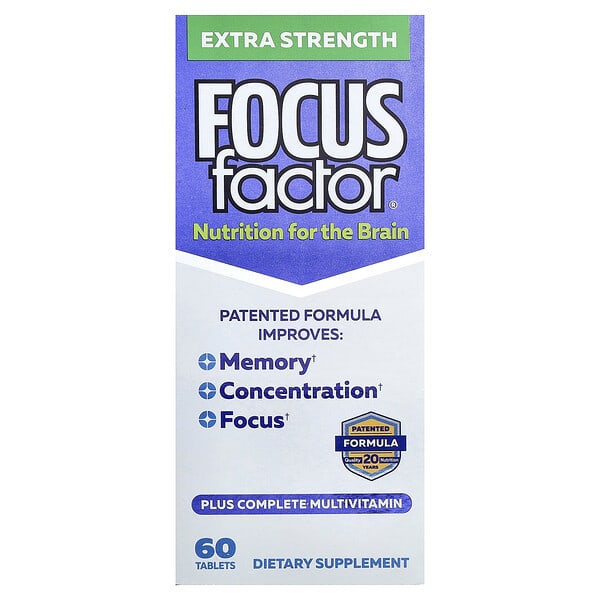
Focus Factor
Focus Factor Extra Strength
zinc citrate · 10 mg
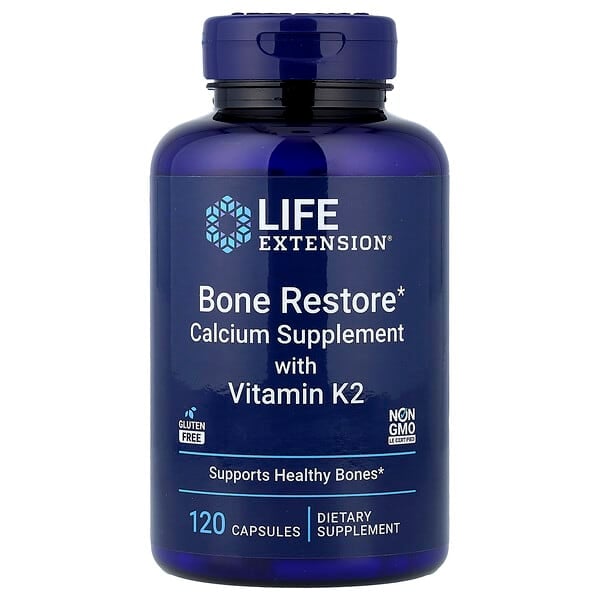
Life Extension
Bone Restore with Vitamin K2
Mixed forms · 2 mg
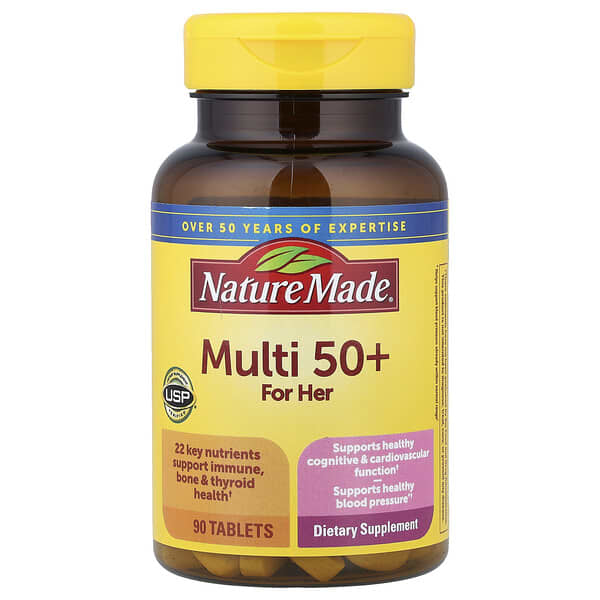
Nature Made
Multi For Her 50+ No Iron
zinc oxide · 15 mg
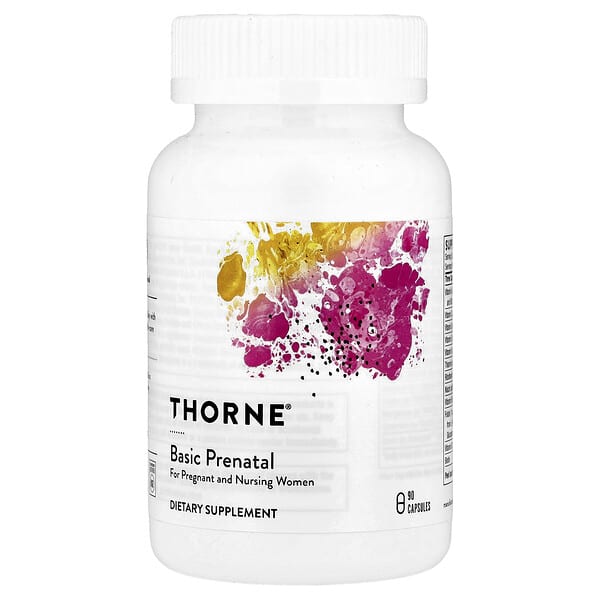
Thorne
Basic Prenatal, 90 Capsules
zinc bisglycinate · 25 mg
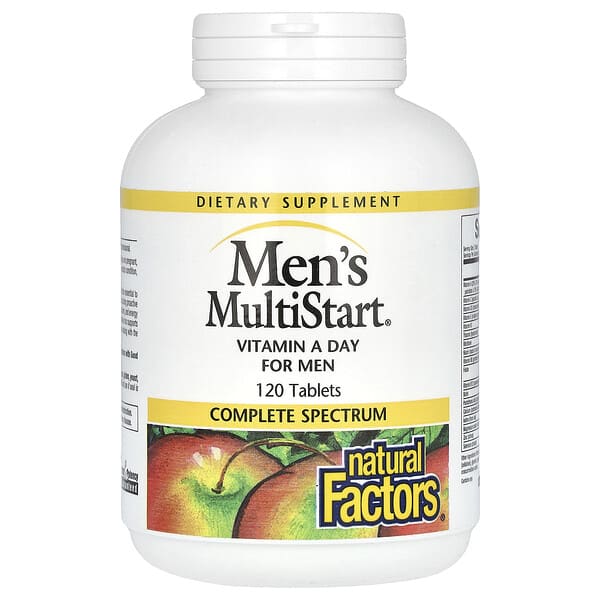
Natural Factors
Men's MultiStart
zinc citrate · 15 mg