BioStacks
Best for
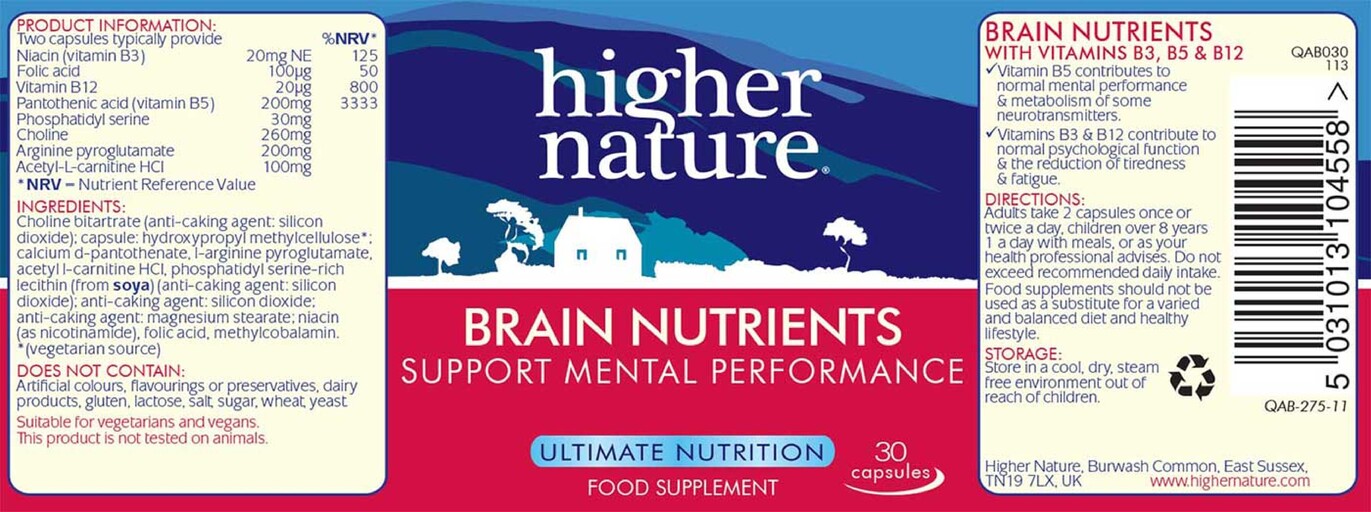
Ingredients (8)
Choline
100%Dose
260 mg
Target
100–500 mg
Form
—
Niacin
100%Dose
200 mg ne
Target
25–500 mg
Form
—
Pantothenic Acid
100%Dose
200 mg
Target
50–500 mg
Form
—
Vitamin B12
8%Dose
20 mcg
Target
250–5000 mcg
Form
Not listed
Folic Acid
25%Dose
100 mcg
Target
400–800 mcg
Form
Budget
Other Ingredients (11)
Choline BitartrateNutrient Source
The bitartrate salt of choline, an essential nutrient.
Folic AcidVitamin
Synthetic form of vitamin B9 used for fortification — supports red blood cell formation and neural tube development. Pharmacologically distinct from the natural/active form (5-methyltetrahydrofolate, methylfolate).
Magnesium StearateLubricant
A salt of stearic acid used as a lubricant in tablet and capsule production
Silicon DioxideAnti-caking
Fine silica powder used to prevent clumping
Calcium CarbonateBuffer
Common calcium salt used as a buffering agent, filler, or mineral fortification in supplements
Capsule ShellCapsule
Generic capsule shell where the label does not specify the material. Common materials are hypromellose (HPMC) for vegetarian capsules and gelatin for traditional capsules — both are GRAS-listed and safe. Fish gelatin and pullulan variants also exist.
Vitamin B12Vitamin
Essential B vitamin used for fortification; supports red blood cell formation, neurological function, and DNA synthesis
NicotinamideVitamin
Amide form of vitamin B3 used for fortification; supports cellular energy and NAD+ synthesis without flushing
How to Take It
Best taken in the morning
Many people prefer B-vitamins earlier in the day; take with food to avoid nausea.
With food
Arginine does better on an empty stomach, but something else in this bottle needs food. Taking the whole product with a meal is the better trade — an upset stomach is why most people stop.
On the label
Adults take 2 capsules once or twice a day (children 8 and over 1 capsule a day) at least 30 minutes before meals. Do not exceed recommended daily intake.
General guidance based on the ingredients, not a substitute for the label or your doctor.
Price Check
No price yet
What 44 liver supplements cost
Track this supplement in your stack
Get personalized insights, interactions, and coverage recommendations.
Get Started FreeSimilar Supplements
Sources & Scoring
Nutrient data (RDA, UL, and safety thresholds) sourced from the NIH Office of Dietary Supplements and the National Academies Dietary Reference Intakes (DRI).
This is not medical advice. Consult a healthcare provider before making changes to your supplement routine.
The score analyzes what's on the label: ingredient doses vs. studied ranges, chemical forms, evidence levels, and known interactions. It does not verify label accuracy or test for contaminants — for that, look for third-party certifications like USP or NSF.