BioStacksAsk AI about this product
What it does
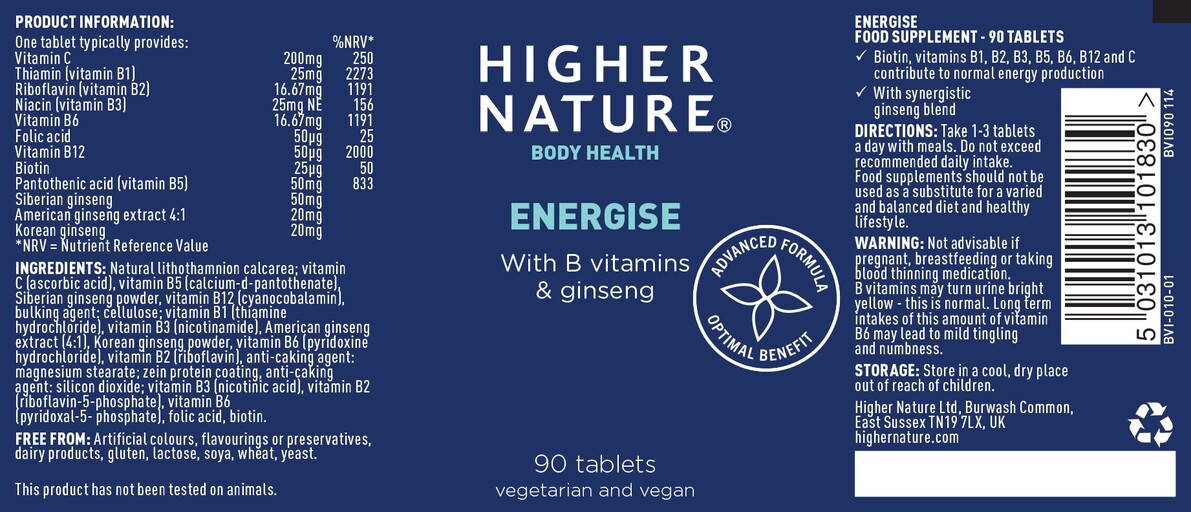
A combination of 11 label ingredients.
Vitamin B3
Mixed formsGrade —
Helps convert food into cellular energy and supports normal metabolic reactions.
Vitamin C
Form not confirmedGrade —
Supports normal collagen production and immune function, and helps the body absorb iron from plant foods.
Ingredients (18)
Other ingredients
BiotinFood
Vitamin B7, a water-soluble B-vitamin.
Folic AcidVitamin
Synthetic form of vitamin B9 used for fortification — supports red blood cell formation and neural tube development. Pharmacologically distinct from the natural/active form (5-methyltetrahydrofolate, methylfolate).
Magnesium StearateLubricant
A salt of stearic acid used as a lubricant in tablet and capsule production
Lithothamnion CalcareaFiller
Calcified red seaweed used as a whole-food tablet base and natural calcium/magnesium source (common in food-based multivitamin lines)
Silicon DioxideAnti-caking
Fine silica powder used to prevent clumping
ZeinCoating
Corn-derived prolamine protein used as a natural tablet glaze and moisture barrier — a plant-based alternative to shellac
Microcrystalline CelluloseBinder
Plant-derived cellulose used as a binder and filler in supplements
Vitamin B12Vitamin
Essential B vitamin used for fortification; supports red blood cell formation, neurological function, and DNA synthesis
Lab testing
How to take it
With food
On the label
Take 1-3 tablets (children over 5 years, 1 tablet) a day, with meals, or as your health professional advises. Do not exceed recommended daily intake.
Price check
No price yet
What 239 energy supplements cost
Similar products
Sources & Scoring
Nutrient data (RDA, UL, and safety thresholds) sourced from the NIH Office of Dietary Supplements and the National Academies Dietary Reference Intakes (DRI).
This is not medical advice. Consult a healthcare provider before making changes to your supplement routine.
The score analyzes what's on the label: ingredient doses vs. studied ranges, chemical forms, evidence levels, and known interactions. It does not verify label accuracy or test for contaminants — for that, look for third-party certifications like USP or NSF.
Not medical advice. Consult your healthcare professional.