BioStacks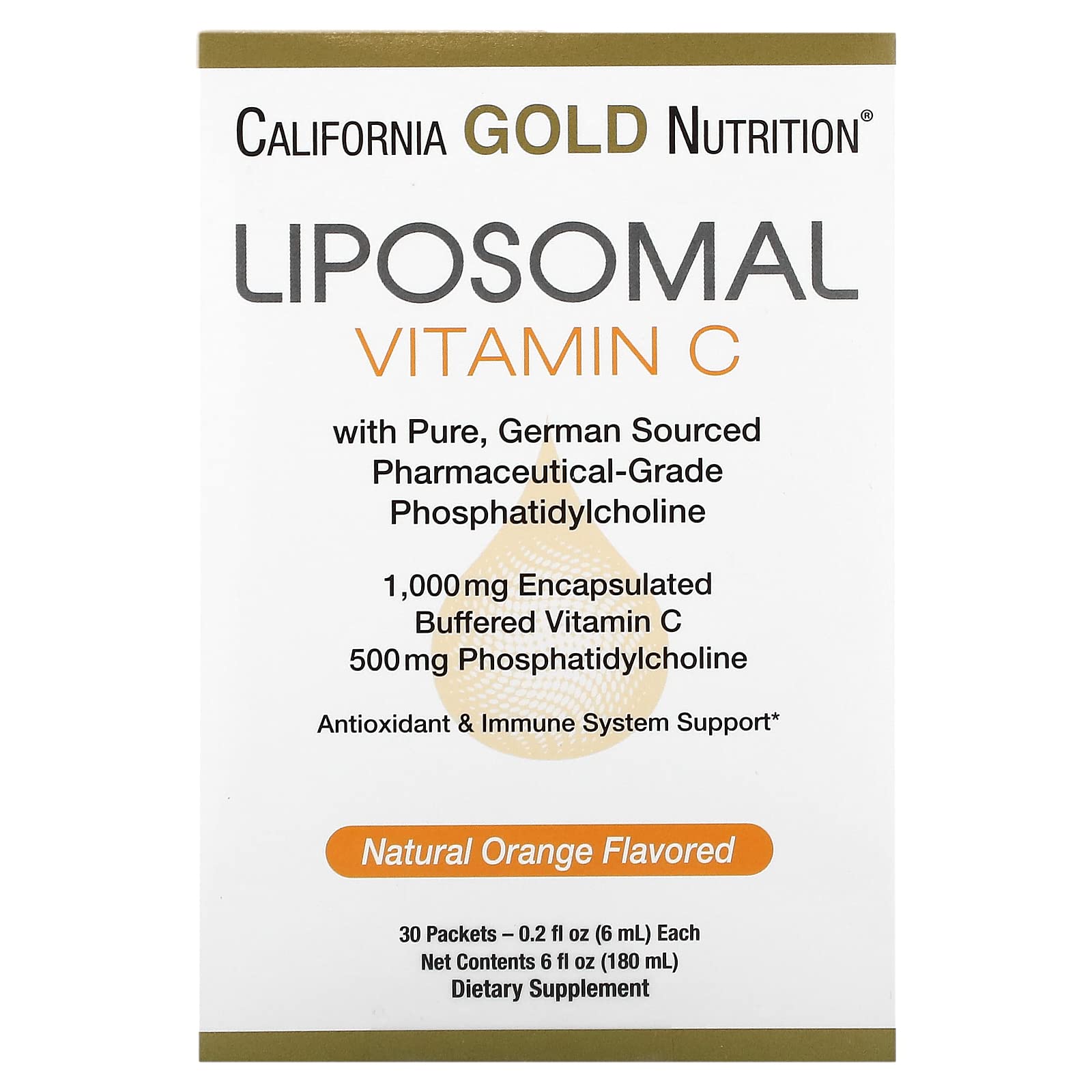
Best for
Ingredients (4)
Total Phosphatidylcholine (PC)
100%Dose
500 mg
Target
100–500 mg
Form
Standard
Vitamin C
100%Dose
1000 mg
Target
250–2000 mg
Form
Standard
Essential Phospholipids
83%Dose
1000 mg
Target
1200–2400 mg
Form
Budget
Choline
60%Dose
60 mg
Target
100–500 mg
Form
Standard
Nutrition
Calories, macros & sodium.
- Sodium160 mg
Other Ingredients (3)
Denatured AlcoholSolvent
At higher topical levels it can dry and irritate skin and disrupt the skin barrier with repeated use.
Citric AcidAcidulant
Natural acid derived from citrus fruits
Purified WaterSolvent
Water meeting USP specifications used as solvent/vehicle in gummies and liquids
How to Take It
Take it anytime
Take with food — higher doses on an empty stomach commonly cause nausea.
With food
On the label
As a dietary supplement, take one packet 1-2 times per day, or as directed by your healthcare practitioner. For best results, snip or tear the notched end off the packet, squeeze into 1-2 oz of your favorite cool beverage and drink in one gulp on an empty stomach. The product will not dissolve in liquid. We do not recommend mixing the product with a hot beverage or with any high-speed blenders or food processors.
The label says to take it on an empty stomach. What's in this one sits better with food, and you give up little by taking it that way.
General guidance based on the ingredients, not a substitute for the label or your doctor.
Price Check
$42.95
Pricier than 92% of 375 vitamin C supplements
Track this supplement in your stack
Get personalized insights, interactions, and coverage recommendations.
Get Started FreeSimilar Supplements
California Gold Nutrition
Liposomal Vitamin C 1000 mg (Orange)
🛡️ for Immune
74
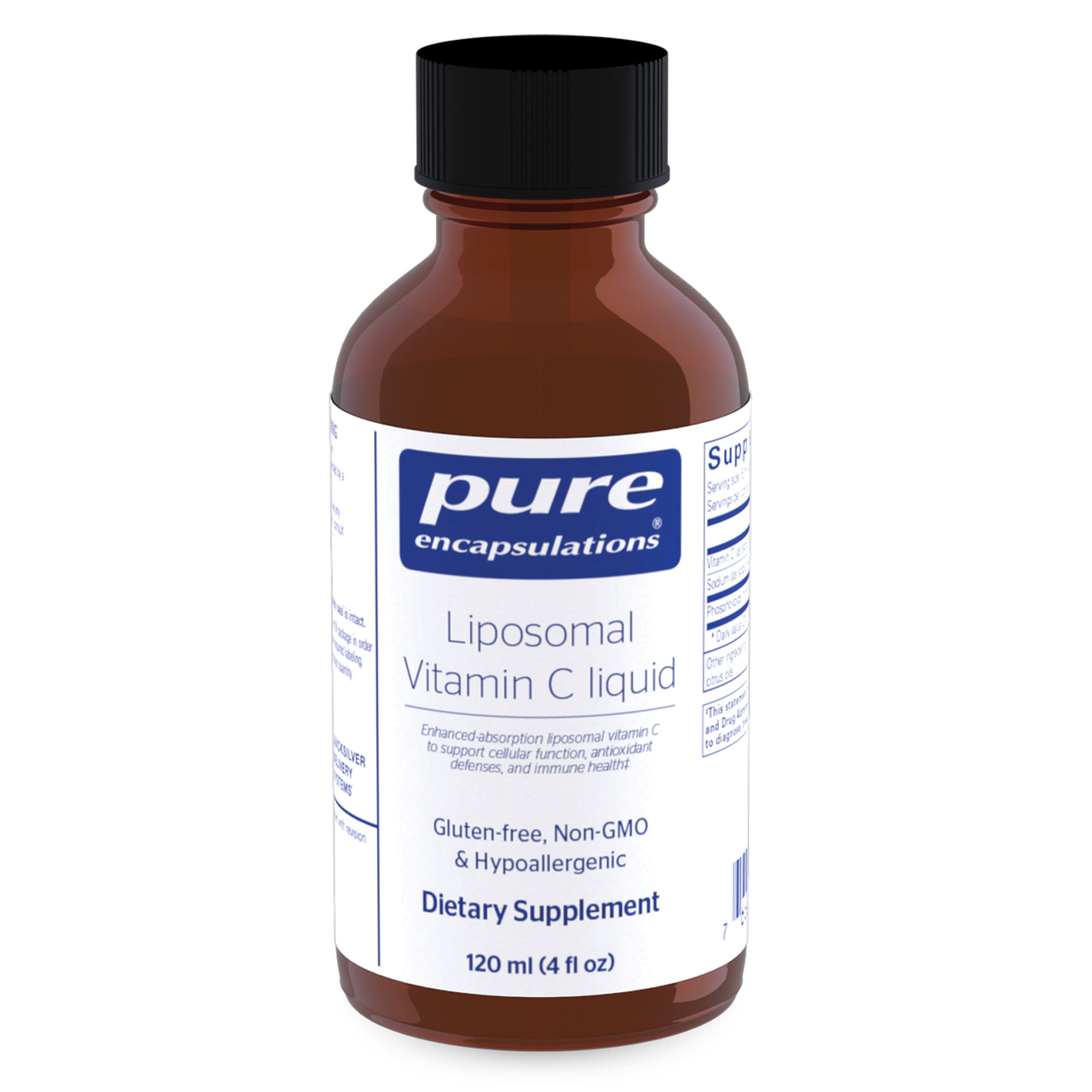
Pure Encapsulations
Liposomal Vitamin C Liquid
🛡️ for Immune
59
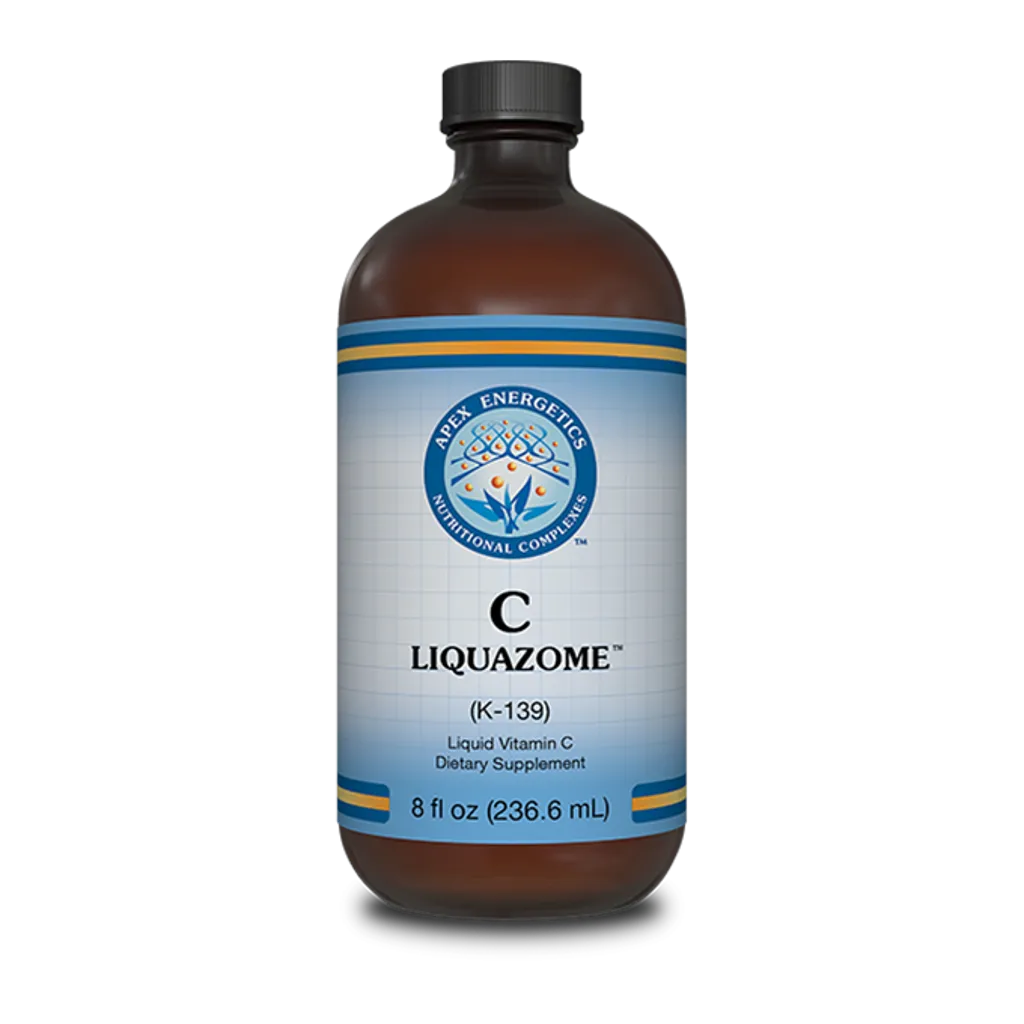
Apex Energetics
C Liquazome (K-139)
🛡️ for Immune
57
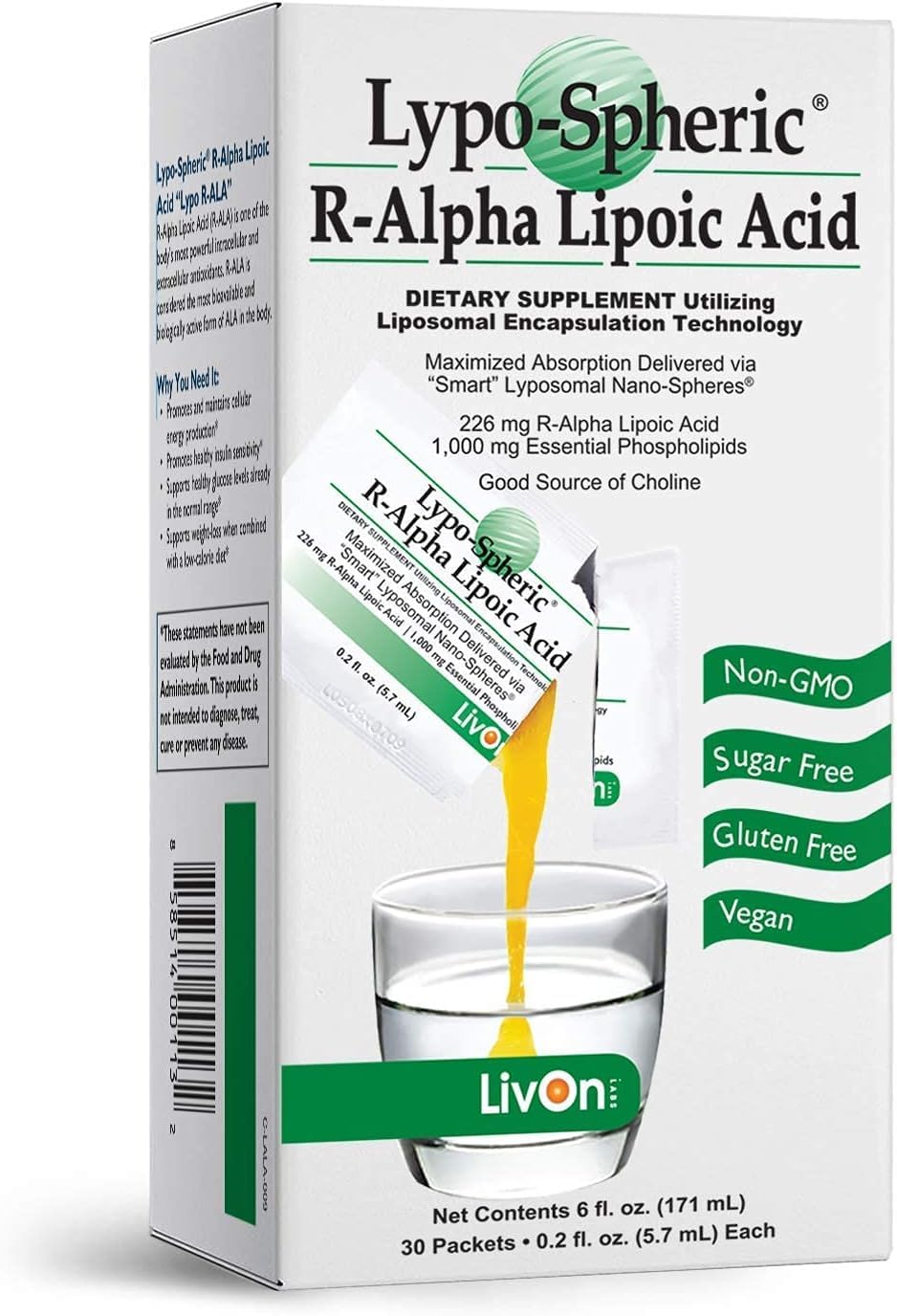
LivOn Laboratories
Lypo-Spheric R-Alpha Lipoic Acid
🔥 for Metabolism
65
Quicksilver Scientific
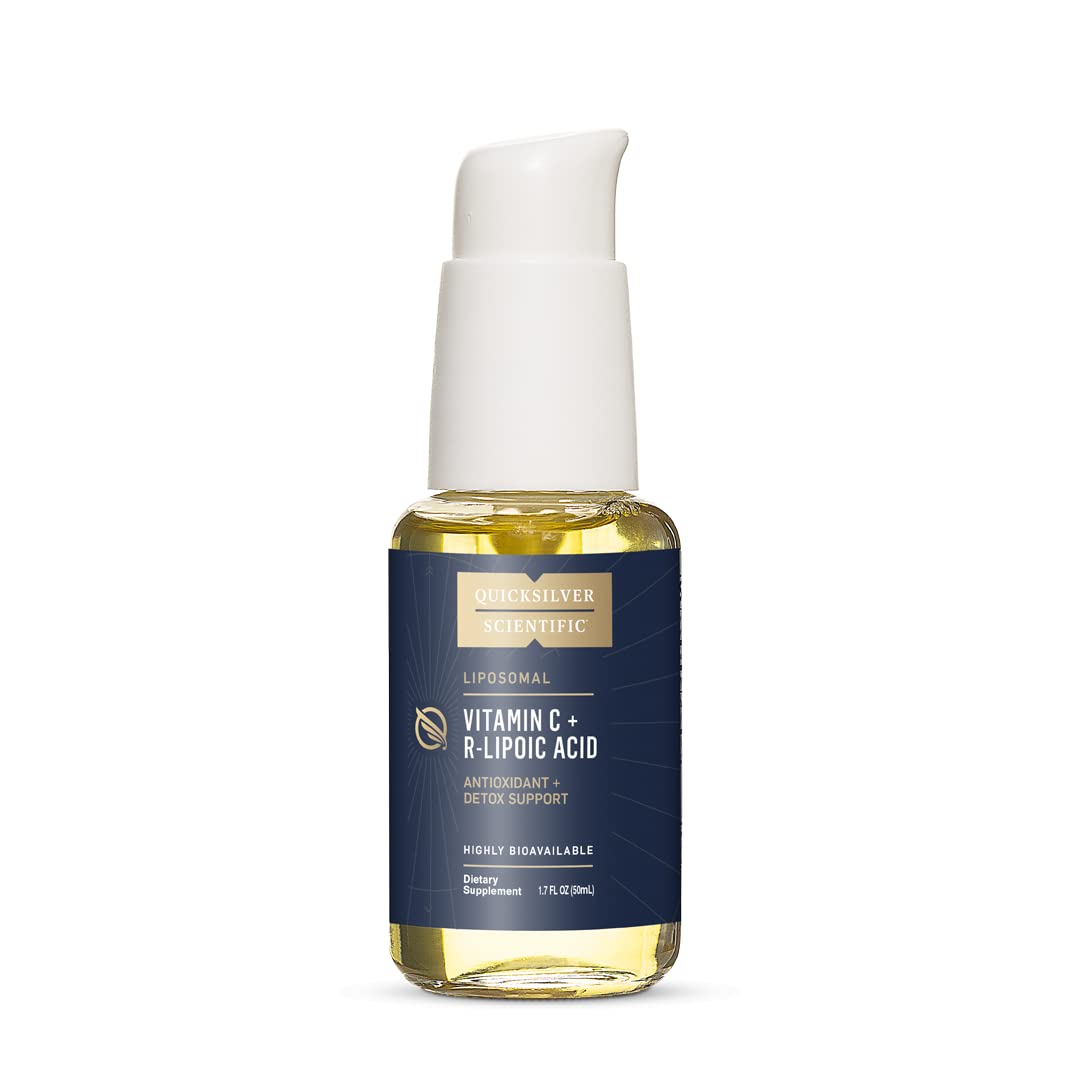
Liposomal Vitamin C with R-Lipoic Acid
🛡️ for Immune
61
Sources & Scoring
Nutrient data (RDA, UL, and safety thresholds) sourced from the NIH Office of Dietary Supplements and the National Academies Dietary Reference Intakes (DRI).
This is not medical advice. Consult a healthcare provider before making changes to your supplement routine.
The score analyzes what's on the label: ingredient doses vs. studied ranges, chemical forms, evidence levels, and known interactions. It does not verify label accuracy or test for contaminants — for that, look for third-party certifications like USP or NSF.