BioStacks
Best for
Ingredients (8)
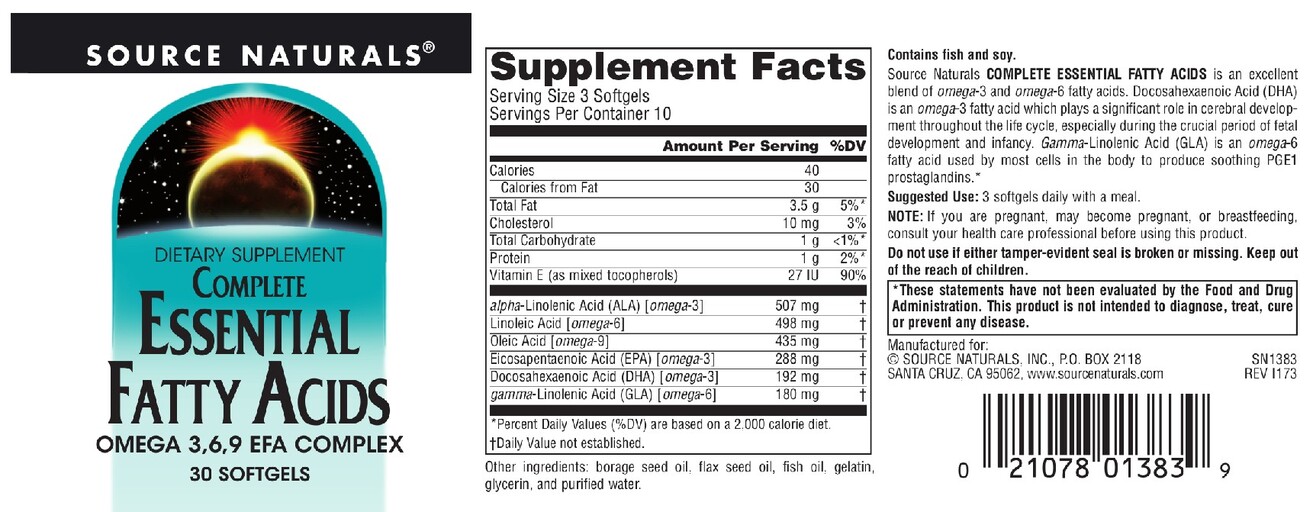
Docosahexaenoic Acid
72%Dose
180 mg
Target
250–1000 mg
Form
—
Oleic Acid
100%Dose
180 mg
Target
0–0 mg
Form
—
Omega-9 Fatty Acids
100%Dose
225 mg
Target
0–0 mg
Form
—
Omega-6 Fatty Acids
100%Dose
240 mg
Target
0–0 mg
Form
—
Eicosapentaenoic Acid
54%Dose
270 mg
Target
500–2000 mg
Form
—
Other Ingredients (6)
Borage Seed OilCarrier Oil
Borage seed oil, a source of gamma-linolenic acid (GLA), used as a carrier/encapsulation oil in softgels
Natural FlavorsFlavor
Broad regulatory category of flavor constituents derived from natural sources. Composition is proprietary and not disclosed — 'Natural Flavors' can include several hundred different compounds depending on the target flavor profile, including hexane-extracted constituents and proprietary carrier solvents. 'Natural' is a regulatory definition (21 CFR §101.22), not a safety guarantee.
Mixed TocopherolsAntioxidant
Natural vitamin E used as preservative
Fish Oil, PurifiedLipid Base
Purified oil from fish used as a carrier and lipid base in omega-3 and fat-soluble supplements
Rosemary ExtractPreservative
Natural plant-derived antioxidant used to preserve freshness and prevent oxidation of oils and fats in supplements
SoftgelCapsule
One-piece gelatin capsule shell with a plasticizer (typically glycerin), used to encapsulate liquid or oil-based supplements
How to Take It
Take it anytime
Take with a meal — absorption improves with dietary fat and it prevents fishy burps.
With food
On the label
Adults take two soft gels daily, with food, or as directed by your health care profesisonal.
General guidance based on the ingredients, not a substitute for the label or your doctor.
Price Check
$13.00
Cheaper than 94% of 150 heart supplements
Track this supplement in your stack
Get personalized insights, interactions, and coverage recommendations.
Get Started FreeSimilar Supplements
Sources & Scoring
Nutrient data (RDA, UL, and safety thresholds) sourced from the NIH Office of Dietary Supplements and the National Academies Dietary Reference Intakes (DRI).
This is not medical advice. Consult a healthcare provider before making changes to your supplement routine.
The score analyzes what's on the label: ingredient doses vs. studied ranges, chemical forms, evidence levels, and known interactions. It does not verify label accuracy or test for contaminants — for that, look for third-party certifications like USP or NSF.