BioStacks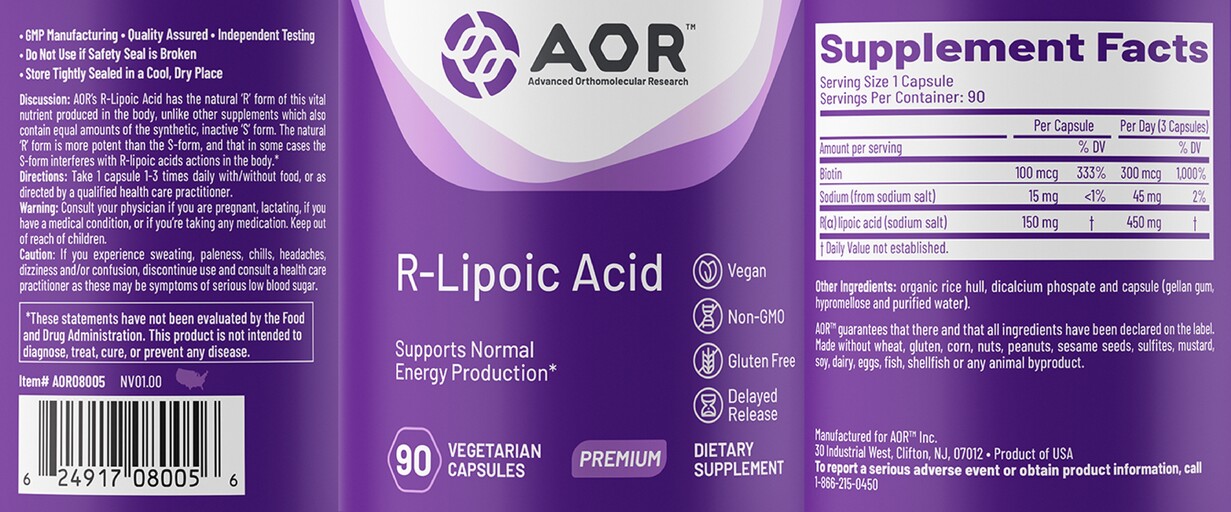
Best for
Ingredients (1)
R-Lipoic Acid
33%Dose
100 mg
Target
300–600 mg
Form
Premium
Nutrition
Calories, macros & sodium.
- Sodium14 mg
Other Ingredients (4)
Ascorbyl PalmitateAntioxidant
Fat-soluble form of vitamin C used as preservative
Hypoallergenic Plant FiberFiller
Plant-derived cellulose fiber used as a hypoallergenic filler, common in Thorne and Pure Encapsulations products
Sodium CarbonatesBuffering Agent
Alkaline buffering agents used to adjust pH and improve stability of supplement formulations
Capsule ShellCapsule
Generic capsule shell where the label does not specify the material. Common materials are hypromellose (HPMC) for vegetarian capsules and gelatin for traditional capsules — both are GRAS-listed and safe. Fish gelatin and pullulan variants also exist.
How to Take It
Take it anytime
Absorbs substantially better fasted — take it about 30 minutes before a meal.
On an empty stomach
On the label
As a dietary supplement, take 1 capsule, 1-2 times daily, with meals.
Labels usually say “with food” because it's gentler on the stomach, not because it absorbs better. Fasted absorbs more — start there, and switch to a light meal if it bothers you.
General guidance based on the ingredients, not a substitute for the label or your doctor.
Price Check
$100.20
Pricier than 97% of 101 ALA supplements
Track this supplement in your stack
Get personalized insights, interactions, and coverage recommendations.
Get Started FreeSimilar Supplements
Life Extension
Super R-Lipoic Acid 240 mg
🔥 for Metabolism
58
Natural Factors
R-Lipoic Acid 100 mg
🔥 for Metabolism
40
AOR Advanced Orthomolecular Research
R-Lipoic Acid
🔥 for Metabolism
70
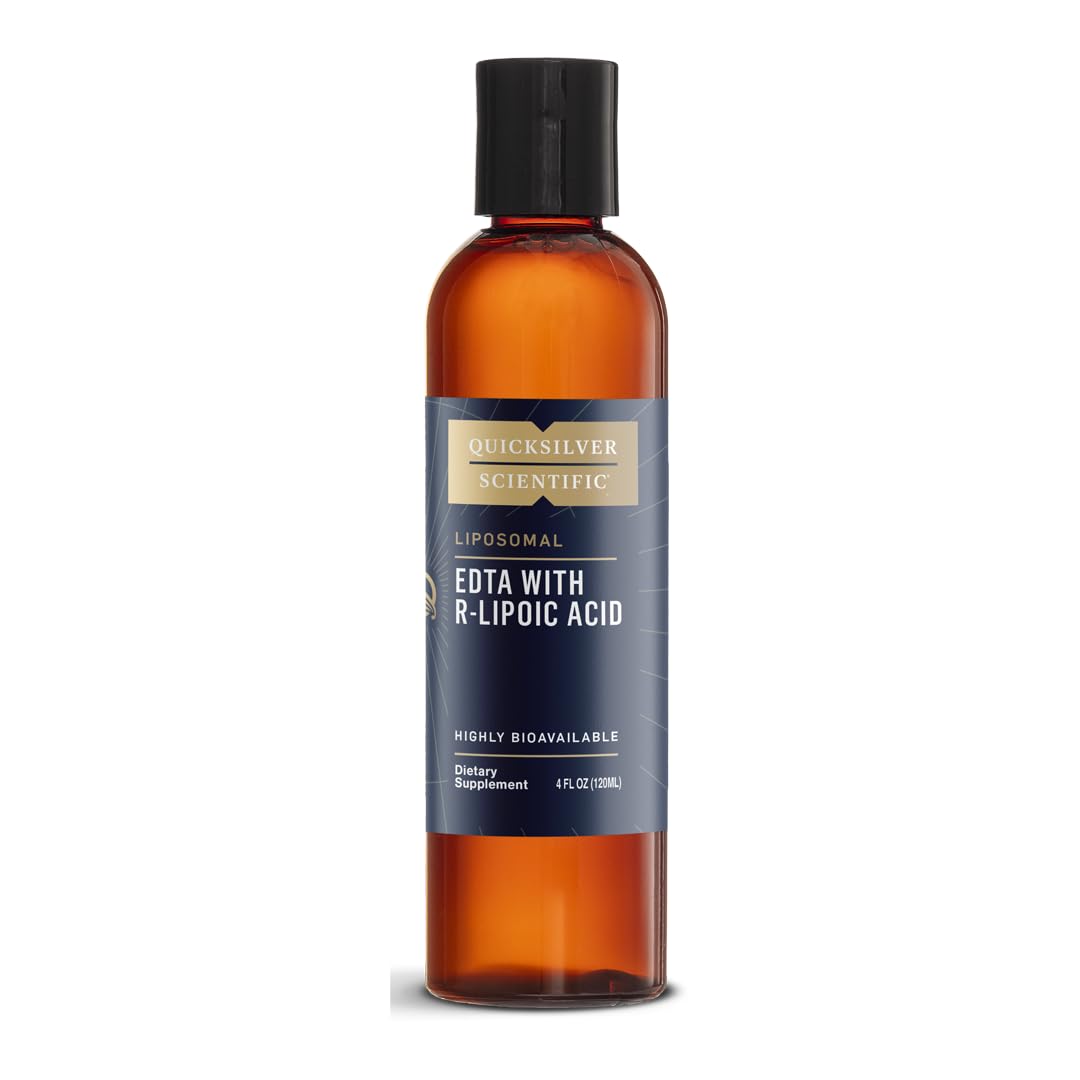
Quicksilver Scientific
Liposomal EDTA with R-Lipoic Acid
🌿 for Liver
67
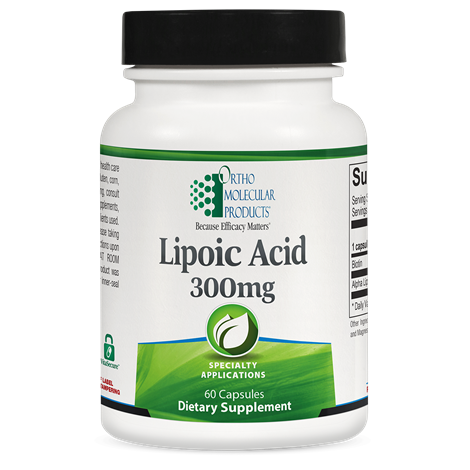
Ortho Molecular Products
Lipoic Acid 300 mg
🔥 for Metabolism
59
Sources & Scoring
Nutrient data (RDA, UL, and safety thresholds) sourced from the NIH Office of Dietary Supplements and the National Academies Dietary Reference Intakes (DRI).
This is not medical advice. Consult a healthcare provider before making changes to your supplement routine.
The score analyzes what's on the label: ingredient doses vs. studied ranges, chemical forms, evidence levels, and known interactions. It does not verify label accuracy or test for contaminants — for that, look for third-party certifications like USP or NSF.