Best Vitamin E for Skin
Top 10 products ranked
Last reviewed May 2026
Clinical dose: 50–268 mg
Why Vitamin E for Skin
Vitamin E plays a supporting role in skin. Natural d-alpha-tocopherol is twice as bioavailable as synthetic dl-alpha-tocopherol, since the body only utilizes four of the eight synthetic stereoisomers—always check labels for the "d-" prefix. Mixed tocopherols (alpha, beta, gamma, delta) provide broader antioxidant protection than alpha alone.
What dose to look for
Clinical studies typically use 50–268 mg of vitamin e. Equivalent to 100–400 IU natural d-alpha-tocopherol. Products below this range may not deliver meaningful results.
What form to look for
Avoid dl-alpha tocopheryl — synthetic, ~50% activity. Look for d-alpha tocopherol or mixed tocopherols for better absorption.
What the research says
Vitamin E has strong clinical evidence for skin benefits. Natural d-alpha form is 2x more bioavailable than synthetic; mixed tocopherols provide broader antioxidant coverage Learn more
Clinical research on Vitamin E
LOW-MODERATE for skin · 100–400 IU/day
- •Works synergistically with Vitamin C for UV protection — combined supplementation significantly increases MED
- •Fat-soluble antioxidant that protects cell membranes from lipid peroxidation in skin tissue
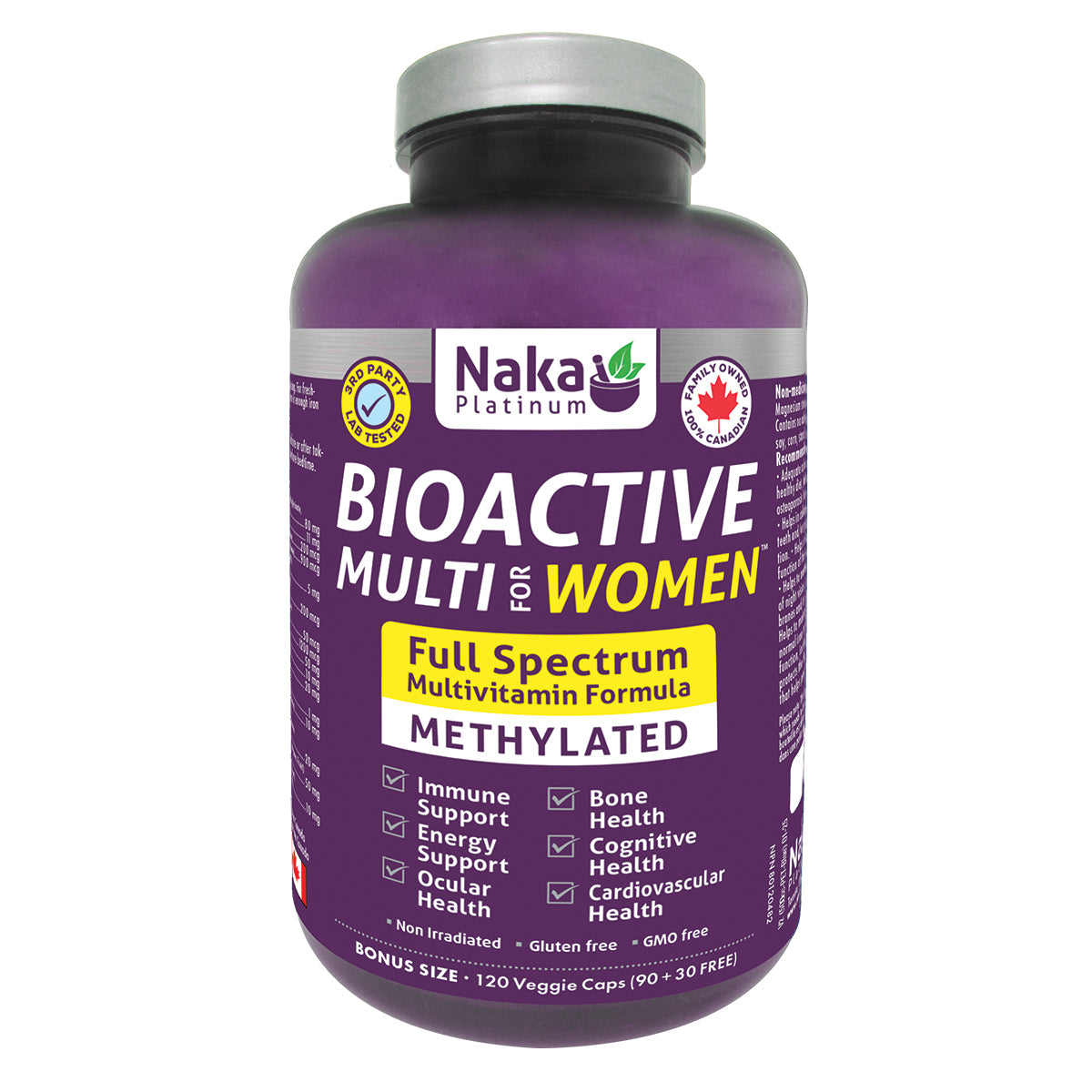
Naka Platinum
Bioactive Multi for Women, 120 Veggie Caps
d-alpha tocopheryl · 33.5 mg
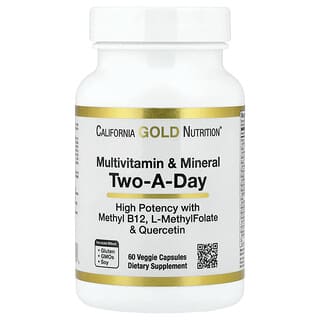
California Gold Nutrition
Daily Multivitamins
d-alpha-tocopheryl · 67 mg
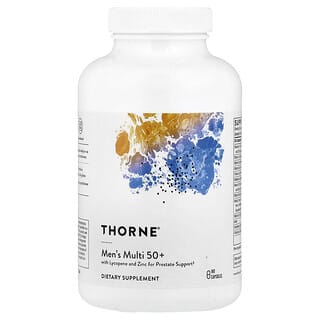
Thorne
Men's Multi 50+
Mixed forms · 268 mg
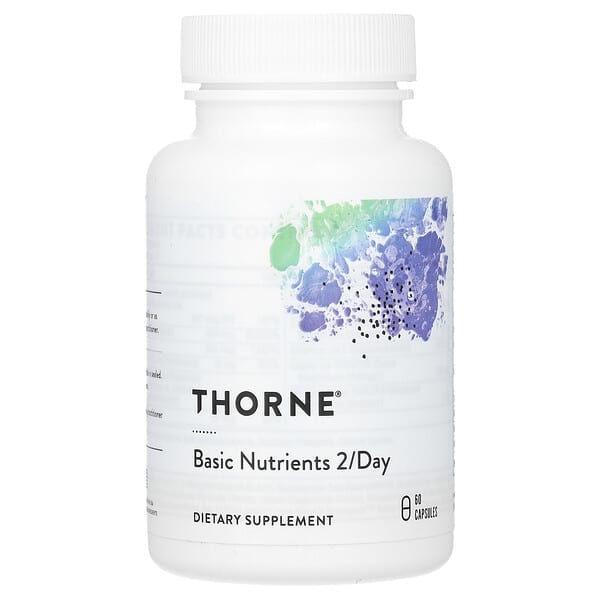
Thorne
Basic Nutrients 2/Day
d-alpha tocopheryl · 16.5 mg
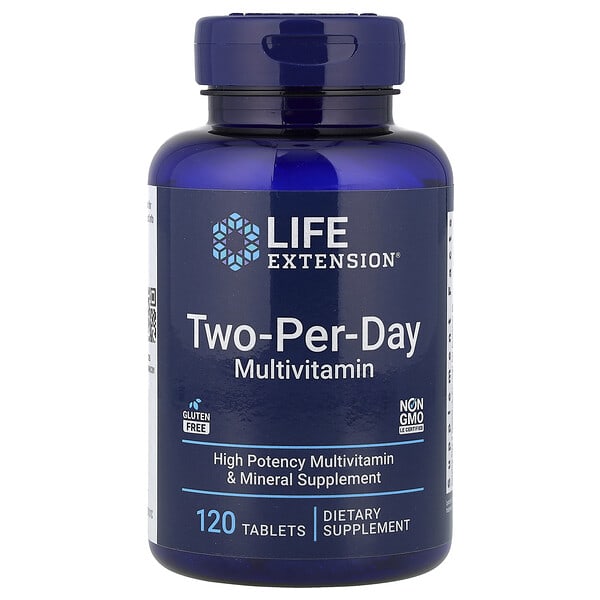
Life Extension
Two-Per-Day Multivitamin, V2, 120 Tablets
Mixed forms · 67 mg
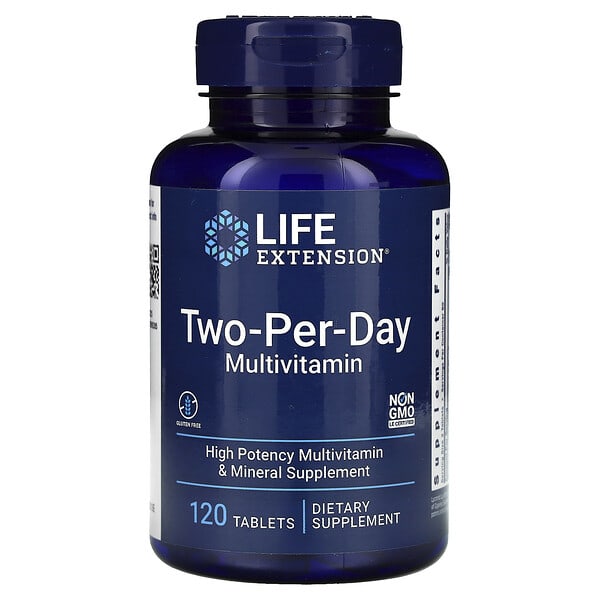
Life Extension
Two-Per-Day Multivitamin, 120 Tablets
Mixed forms · 67 mg
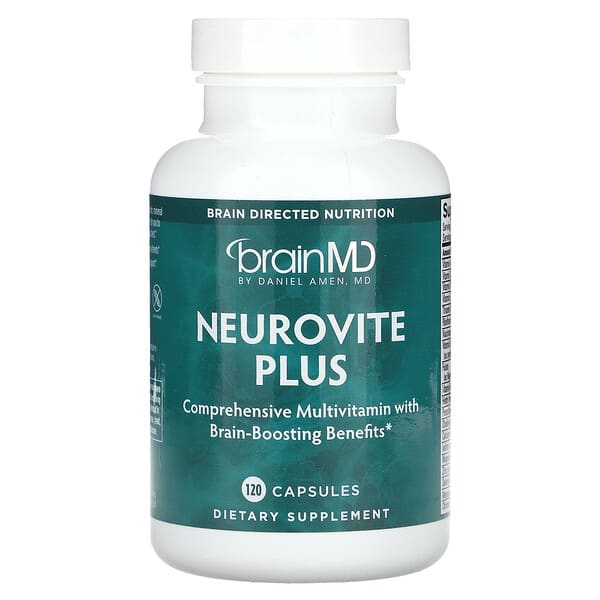
BrainMD
Neurovite Plus
d-alpha tocopheryl · 20 mg
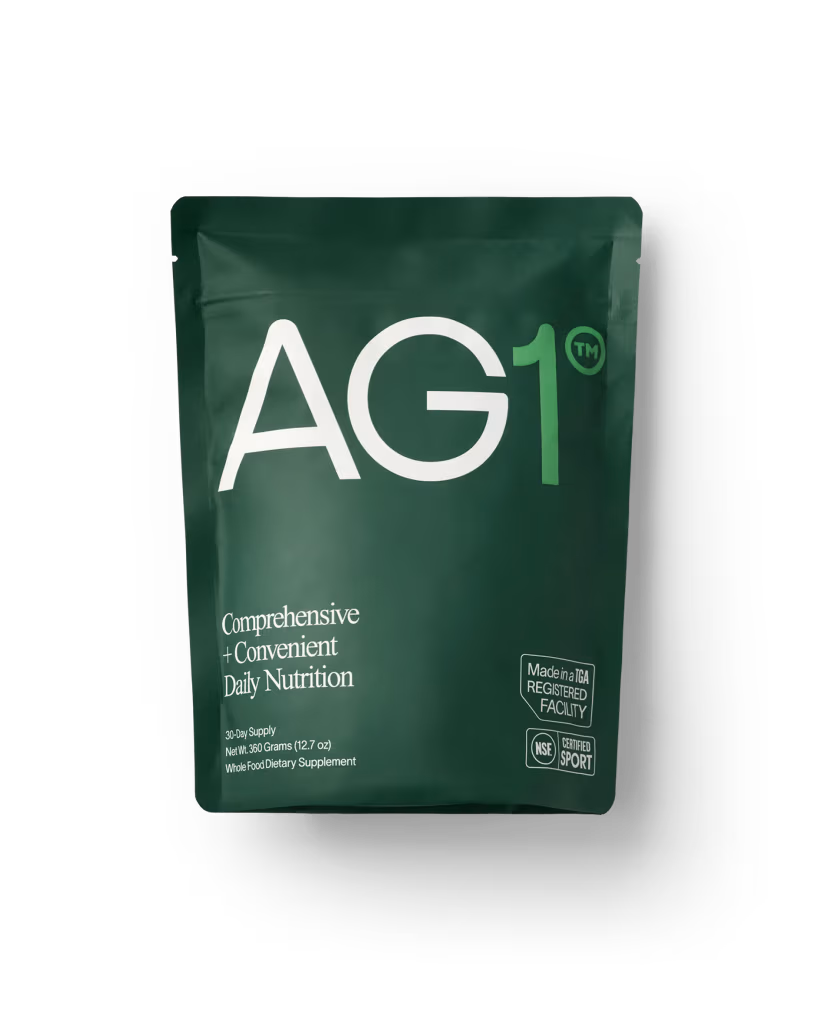
AG1
Greens Powder
d-alpha tocopheryl · 83 mg
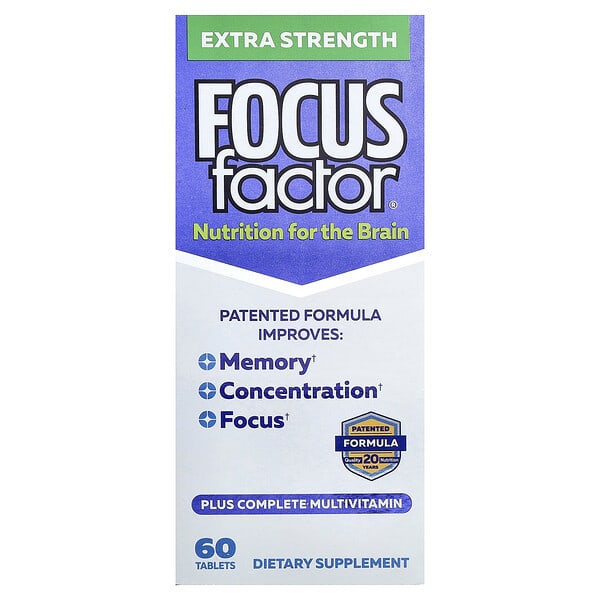
Focus Factor
Focus Factor Extra Strength
d-alpha-tocopheryl · 20 mg
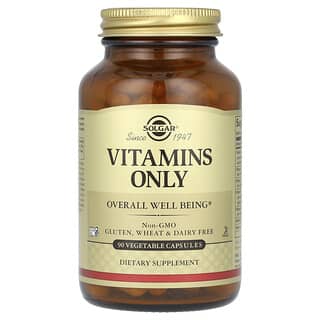
Solgar
Vitamins Only
Mixed forms · 100 mg