 BioStacks
Why Omega-3 for Brain
When it comes to brain, Omega-3 is one of the most key nutrients to consider. Doses vary by EPA/DHA content — always check combined EPA+DHA per serving, not total fish oil volume. EPA (eicosapentaenoic acid) and DHA (docosahexaenoic acid) are the two primary active omega-3 fatty acids. Absorption depends heavily on molecular form: re-esterified triglyceride (rTG) is ~70% better absorbed than the cheaper ethyl ester (EE) form common in budget supplements. In clinical studies, omega-3 supports brain function.
How much omega-3 do you need
Research points to 1000–3000 mg as the effective range for omega-3. Total omega-3 from fish oil or algae supplements. Lower doses may provide some benefit, but most studies showing clear results used this range.
Which form absorbs best
Avoid ethyl ester — lower absorption than triglyceride. Avoid flaxseed — ala omega-3 — only ~5-10% converts to epa/dha. The most bioavailable options are triglyceride form (rtg).
The evidence behind omega-3
Research supporting omega-3 for brain is rated as strong. Thousands of trials; meta-analyses confirm triglyceride reduction of 15-30% and modest cardiovascular benefits Learn more
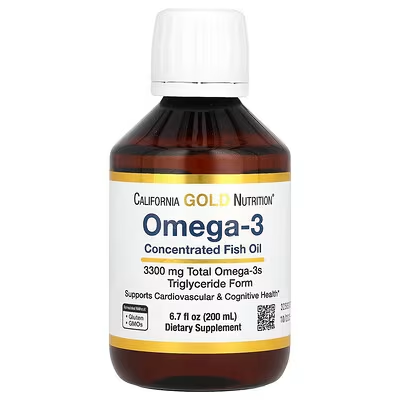
California Gold Nutrition
Norwegian Extra Strength Omega 3 Fish Oil, Natural Lemon, 6.7 fl oz (200 ml)
triglyceride · 3300 mg
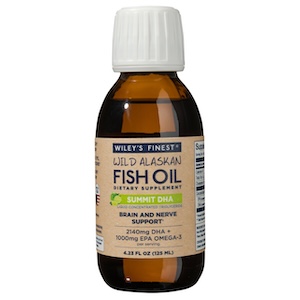
Wiley's Finest
Wild Alaskan Fish Oil Summit DHA, Natural Lime Flavor, 4.23 fl oz (125 ml)
triglyceride · 4600 mg
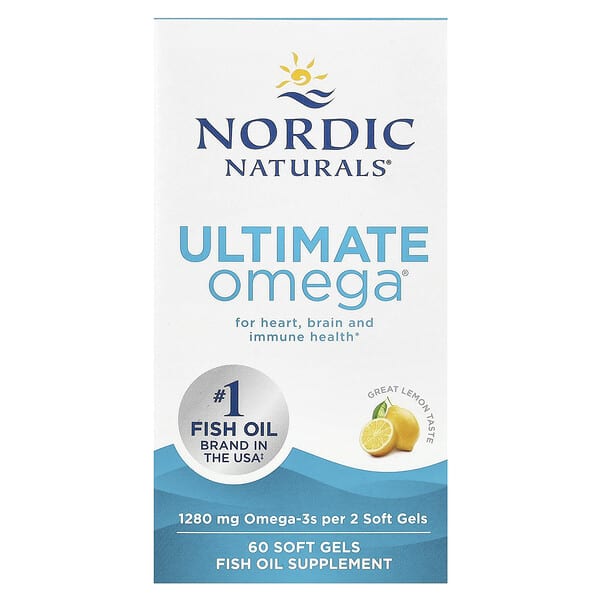
Nordic Naturals
Ultimate Omega 1280 mg Lemon
re-esterified triglyceride · 1280 mg
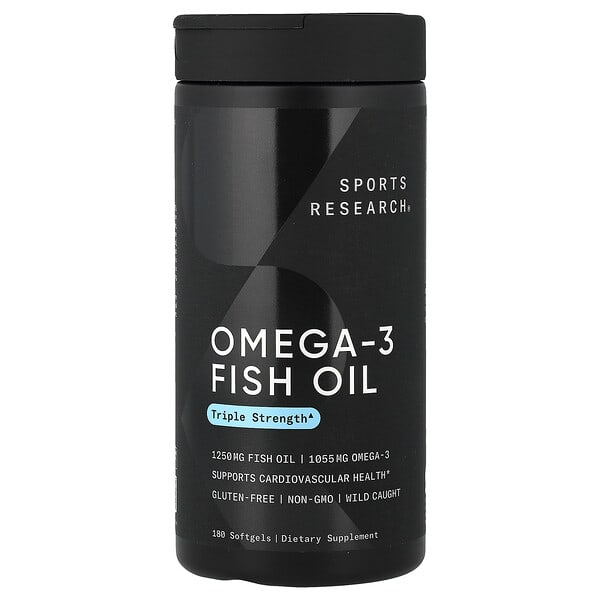
Sports Research
Omega-3 Fish Oil, Triple Strength
as tg · 1055 mg
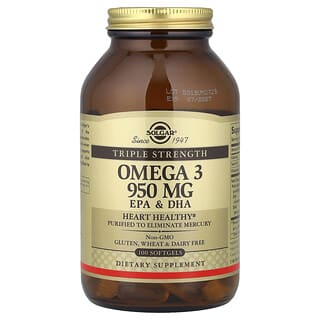
Solgar
Omega-3
ethyl ester · 1764 mg
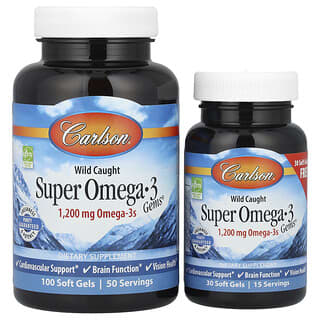
Carlson
Super Omega-3 Gems 1,200 mg
ethyl ester · 1200 mg
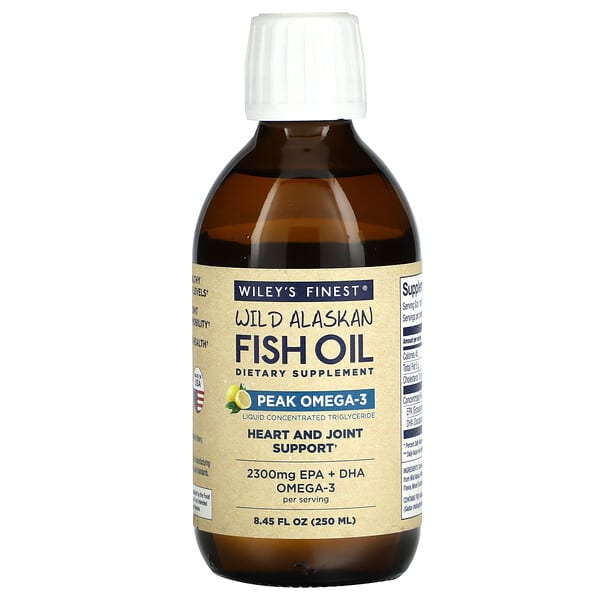
Wiley's Finest
Wild Alaskan Fish Oil Peak Omega-3 Liquid Natural Lemon Flavor
2400 mg
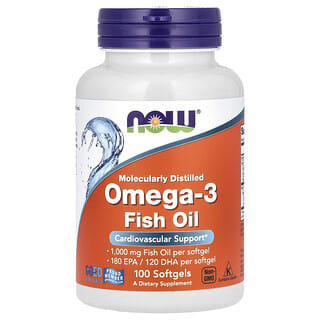
NOW
Molecularly Distilled Omega-3 Fish Oil
2000 mg
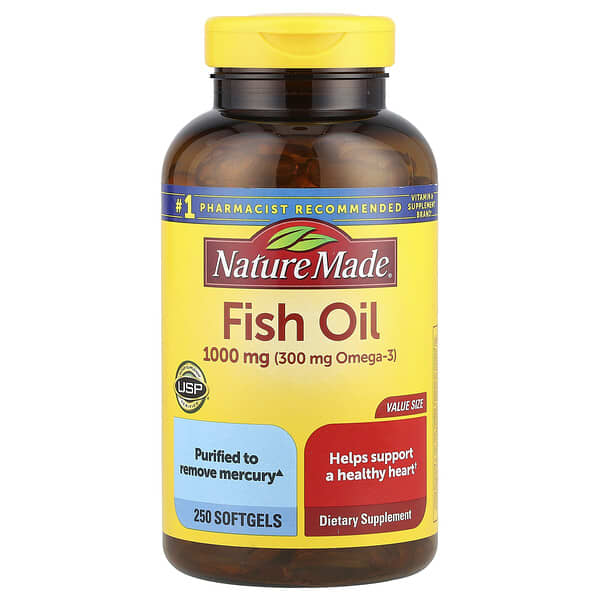
Nature Made
Fish Oil 1000 mg
2000 mg
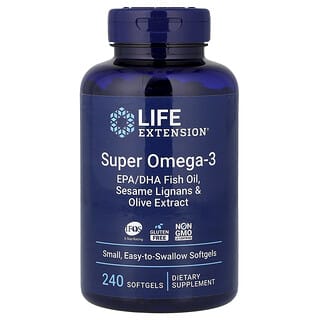
Life Extension
Super Omega-3
1200 mg