Best Vitamin B12 for Brain
Top 10 products ranked
Last reviewed May 2026
Clinical dose: 250–5000 mcg
Why Vitamin B12 for Brain
Vitamin B12 plays a supporting role in brain. Essential for nerve function, DNA synthesis, and red blood cell formation. Methylcobalamin and adenosylcobalamin are the two naturally active coenzyme forms, while cyanocobalamin is synthetic and requires conversion.
What dose to look for
Clinical studies typically use 250–5000 mcg of vitamin b12. RDA is 2.4 mcg but supplements typically provide 250–5000 mcg due to low absorption. Products below this range may not deliver meaningful results.
What form to look for
Avoid cyanocobalamin — synthetic, requires conversion. Look for methylcobalamin or adenosylcobalamin for better absorption.
What the research says
Vitamin B12 has strong clinical evidence for brain benefits. Essential for nerve function and red blood cell formation; deficiency common in vegans and adults over 50 Learn more
Clinical research on Vitamin B12
LOW — Essential for neurological function but supplementation in non-deficient individuals shows no cognitive benefit · 500–1,000 mcg/day (methylcobalamin or cyanocobalamin)
- •Cochrane review (2003, updated 2009) of 3 RCTs found no evidence that vitamin B12 supplementation improved cognitive function in older adults with or without dementia — when B12 status was not specifically deficient. PubMed
- •B12 deficiency causes irreversible neurological damage (subacute combined degeneration). At-risk groups: vegans, elderly (10–30% have low B12 due to malabsorption), those on metformin or PPIs.
- •VITACOG trial found B vitamins (including B12) slowed brain atrophy by 30% in elderly with elevated homocysteine and MCI — but the effect appears driven by correcting deficiency, not by supplementation in replete individuals. PubMed
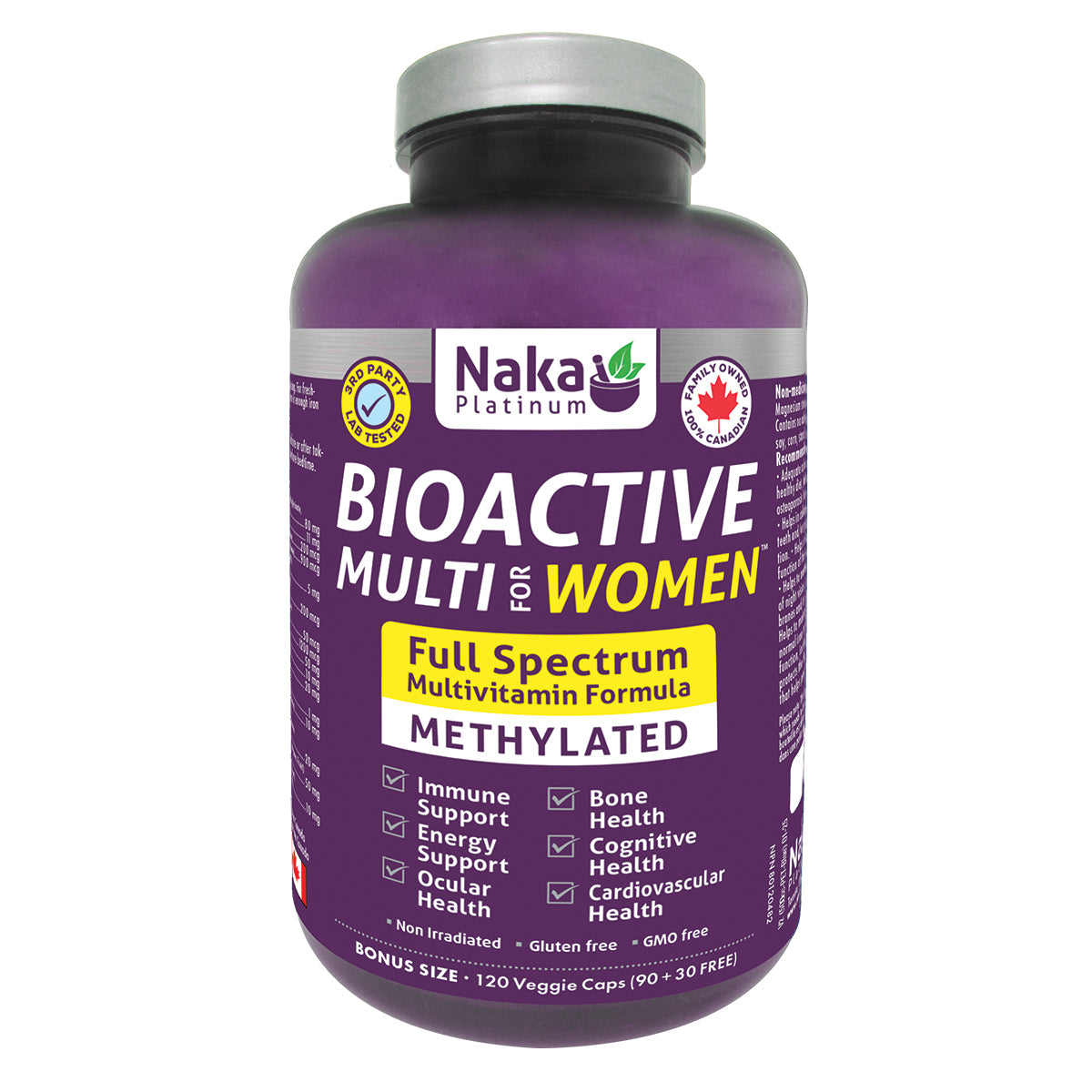
Naka Platinum
Bioactive Multi for Women, 120 Veggie Caps
methylcobalamin · 300 mcg
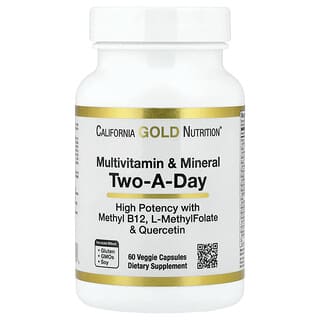
California Gold Nutrition
Daily Multivitamins
methylcobalamin · 300 mcg
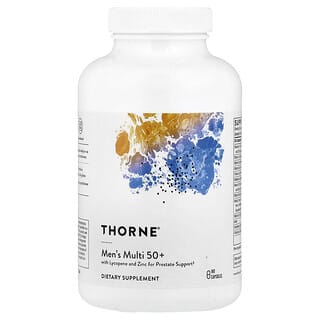
Thorne
Men's Multi 50+
methylcobalamin · 450 mcg
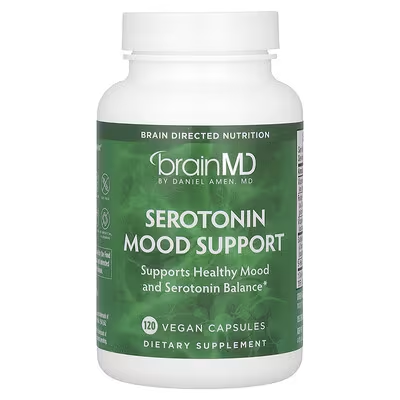
BrainMD
Serotonin Mood Support, 120 Vegan Capsules
methylcobalamin · 500 mcg
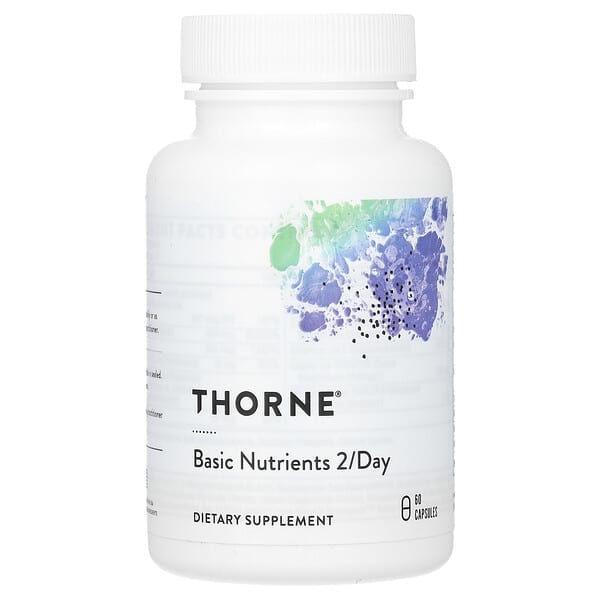
Thorne
Basic Nutrients 2/Day
methylcobalamin · 600 mcg
Thorne
Basic B Complex
methylcobalamin · 400 mcg
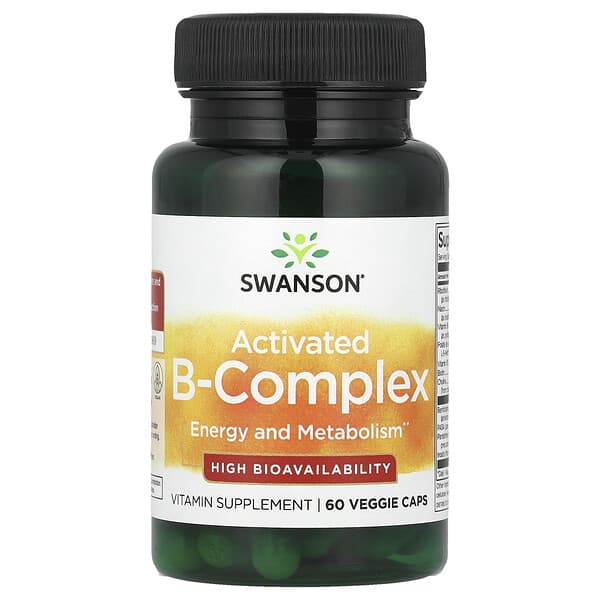
Swanson
Activated B-Complex High Bioavailability
methylcobalamin · 250 mcg
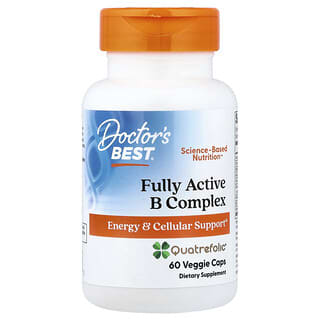
Doctor's Best
Fully Active B Complex with Quatrefolic
methylcobalamin · 1000 mcg
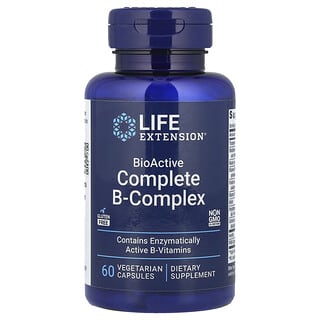
Life Extension
BioActive Complete B-Complex
methylcobalamin · 300 mcg
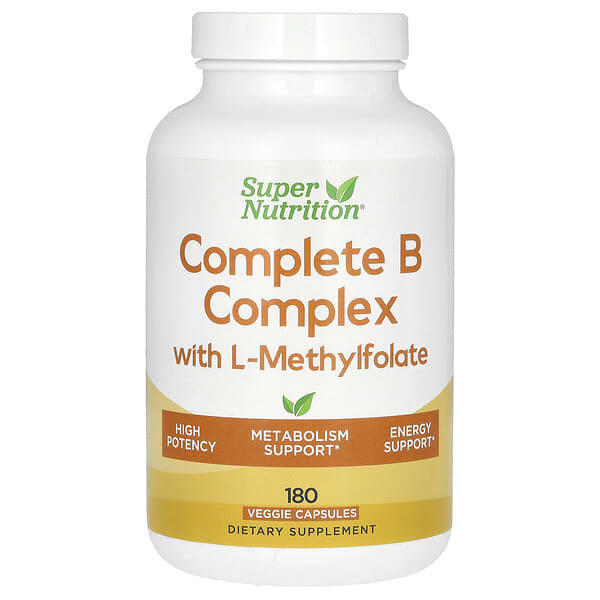
Super Nutrition
Complete B Complex with L-Methylfolate
methylcobalamin · 300 mcg