Best Vitamin B3 for Energy
Top 10 products ranked
Last reviewed May 2026
Clinical dose: 25–500 mg
Why Vitamin B3 for Energy
Vitamin B3 plays a supporting role in energy. Available as nicotinic acid or nicotinamide (niacinamide); both support cellular energy and NAD+ synthesis, but only nicotinic acid improves lipid profiles by raising HDL cholesterol and lowering triglycerides — nicotinamide has zero effect on lipids. Nicotinic acid causes characteristic flushing (redness, warmth) at doses above 30–50 mg, while nicotinamide does not. In clinical studies, vitamin b3 drives energy metabolism.
What dose to look for
Clinical studies typically use 25–500 mg of vitamin b3. Common in B-complex and standalone formulations; UL 35 mg applies to flushing form only. Products below this range may not deliver meaningful results.
What the research says
Vitamin B3 has strong clinical evidence for energy benefits. Decades of clinical trials for cholesterol management; nicotinic acid form has the strongest data Learn more
Clinical research on Niacin (Vitamin B3)
LOW for energy specifically — NAD+ precursor with metabolic role but no direct energy-boosting evidence · 14–16 mg/day NE (RDA); 500–2,000 mg for lipid-lowering (different indication)
- •Niacin is the precursor for NAD+ and NADP+, central cofactors in cellular energy metabolism (glycolysis, TCA cycle, electron transport chain). Every energy-producing pathway requires NAD+.
- •Pharmacological niacin doses (1–2 g/day) have established lipid-lowering effects but are associated with flushing, hepatotoxicity risk, and GI distress. This dose level is a drug, not a supplement, and is not recommended for energy.
- •No clinical evidence that niacin supplementation at any dose improves subjective energy or fatigue in non-deficient adults. Pellagra (niacin deficiency) causes fatigue, but is virtually extinct in developed nations.
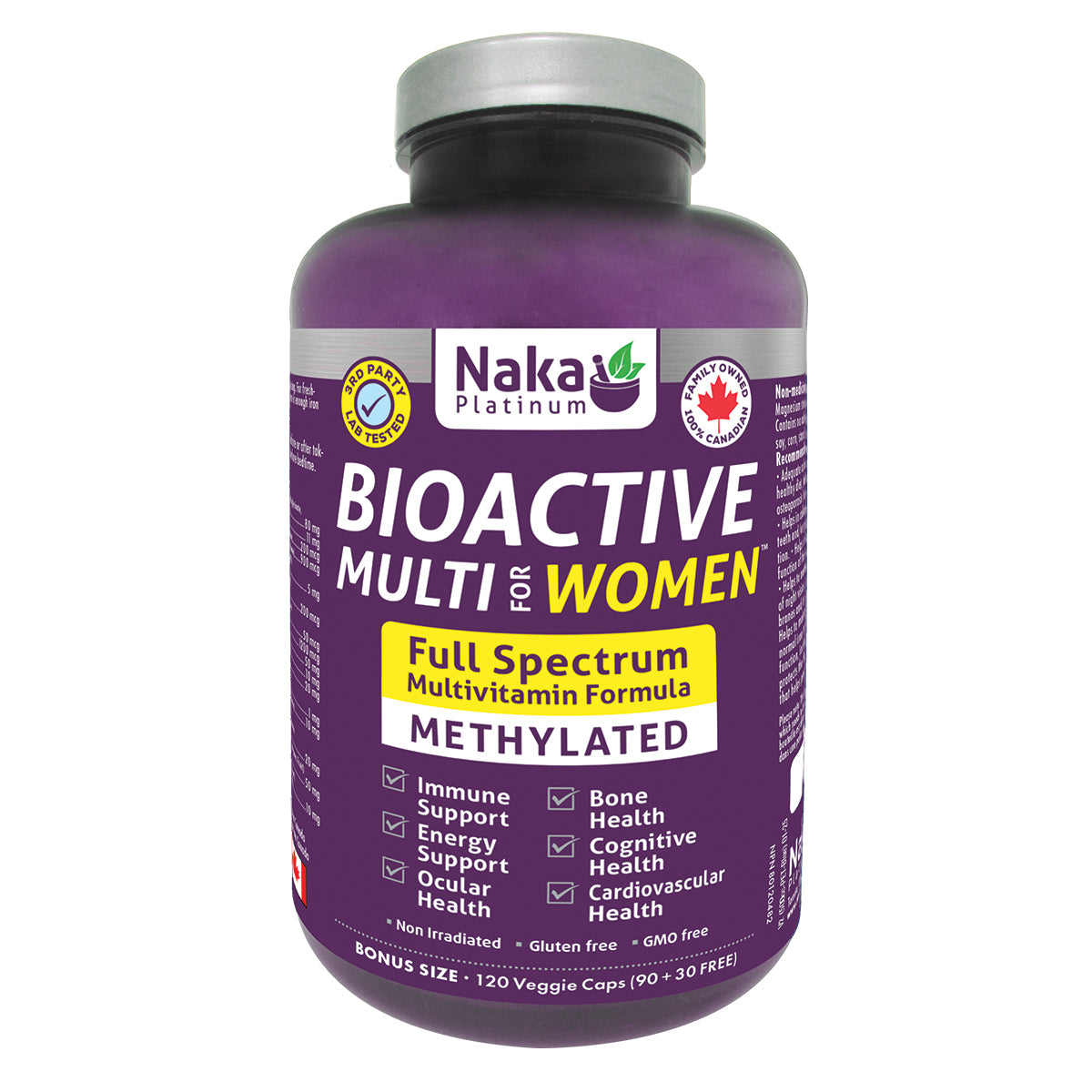
Naka Platinum
Bioactive Multi for Women, 120 Veggie Caps
niacinamide · 50 mg
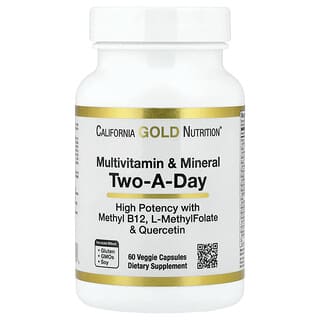
California Gold Nutrition
Daily Multivitamins
niacinamide · 50 mg
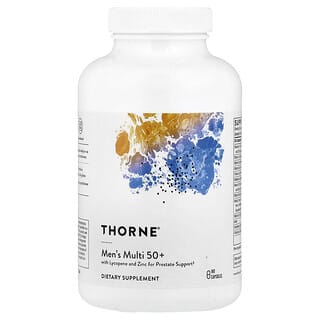
Thorne
Men's Multi 50+
niacinamide · 160 mg
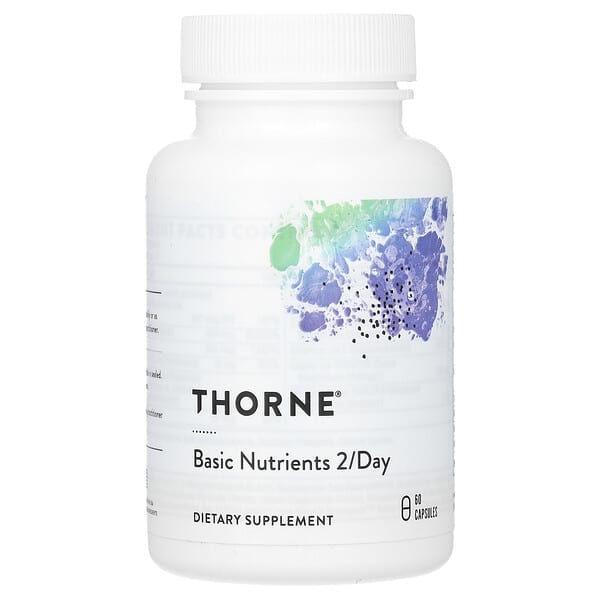
Thorne
Basic Nutrients 2/Day
niacinamide · 80 mg
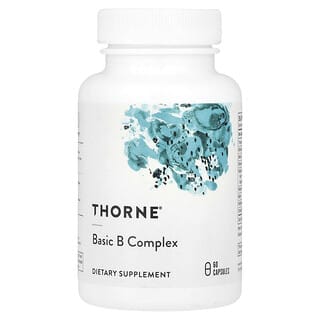
Thorne
Basic B Complex
niacinamide · 140 mg
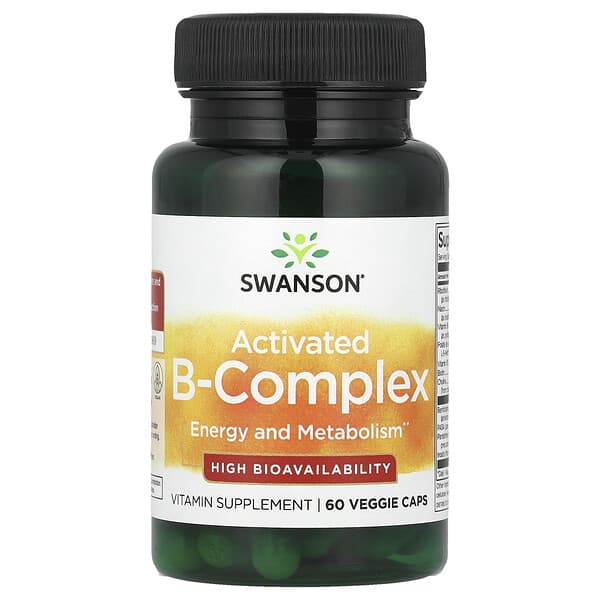
Swanson
Activated B-Complex High Bioavailability
niacinamide · 50 mg
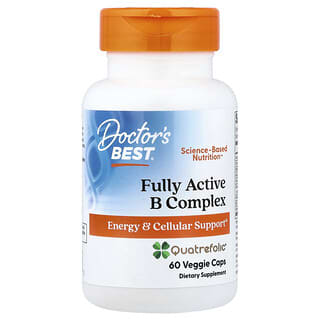
Doctor's Best
Fully Active B Complex with Quatrefolic
niacinamide · 50 mg
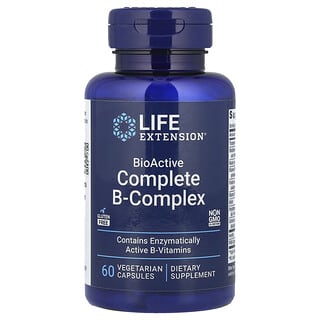
Life Extension
BioActive Complete B-Complex
niacinamide · 100 mg
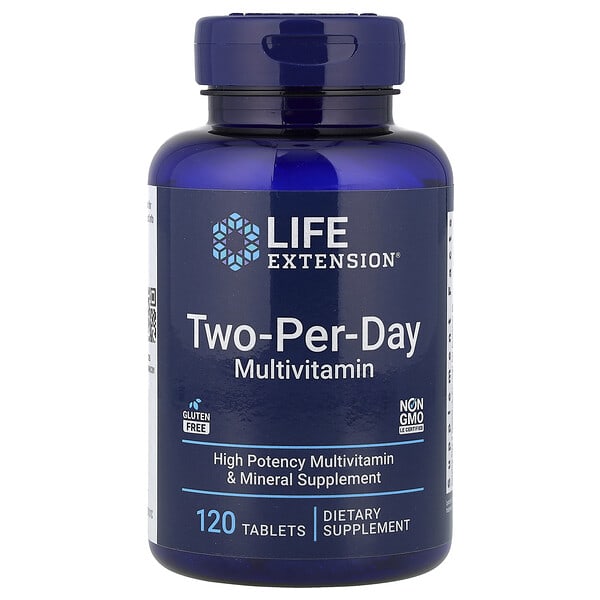
Life Extension
Two-Per-Day Multivitamin, V2, 120 Tablets
niacinamide · 50 mg
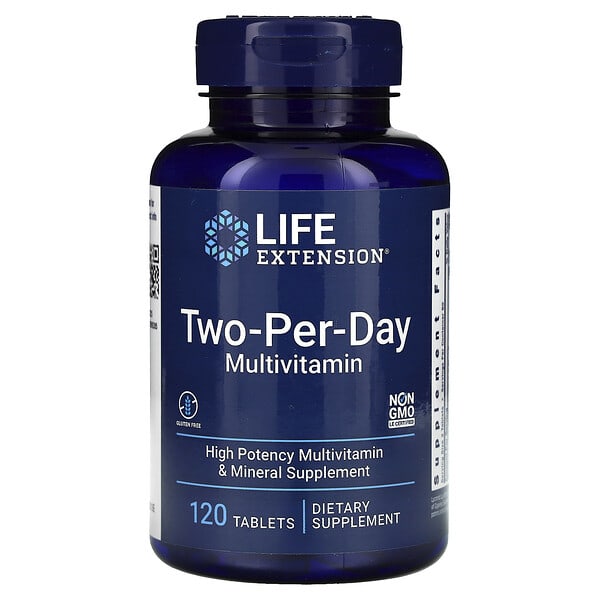
Life Extension
Two-Per-Day Multivitamin, 120 Tablets
niacinamide · 50 mg