Best Vitamin B6 for Brain
Top 10 products ranked
Last reviewed May 2026
Clinical dose: 25–100 mg
Why Vitamin B6 for Brain
Vitamin B6 plays a supporting role in brain. Active form is pyridoxal-5'-phosphate (P5P), a coenzyme involved in over 100 reactions including neurotransmitter synthesis and amino acid metabolism. Standard pyridoxine must be converted to P5P in the liver, while P5P supplements bypass this step.
What dose to look for
Clinical studies typically use 25–100 mg of vitamin b6. Common B-complex dose; UL is 100 mg/day. Products below this range may not deliver meaningful results.
What form to look for
Avoid pyridoxine — must be converted to active p5p. Look for pyridoxal-5-phosphate (p5p) for better absorption.
What the research says
Vitamin B6 has strong clinical evidence for brain benefits. Cofactor in 100+ enzymatic reactions including neurotransmitter synthesis; P5P form bypasses liver conversion Learn more
Clinical research on Vitamin B6
LOW — Cofactor for neurotransmitter synthesis; no direct cognitive enhancement RCTs · 1.3–10 mg/day (P-5-P is the active form)
- •B6 is required for synthesis of serotonin, dopamine, GABA, and norepinephrine. Deficiency causes confusion, depression, and peripheral neuropathy. But deficiency is uncommon in developed countries.
- •2022 RCT (478 young adults) found 100 mg/day vitamin B6 for one month slightly reduced self-reported anxiety, potentially via increased GABA synthesis. Effects on cognitive performance were not measured. PubMed
- •No evidence supports B6 supplementation for cognitive enhancement in non-deficient individuals. High-dose B6 (>200 mg/day long-term) causes peripheral sensory neuropathy — the very symptom it prevents when correcting deficiency.
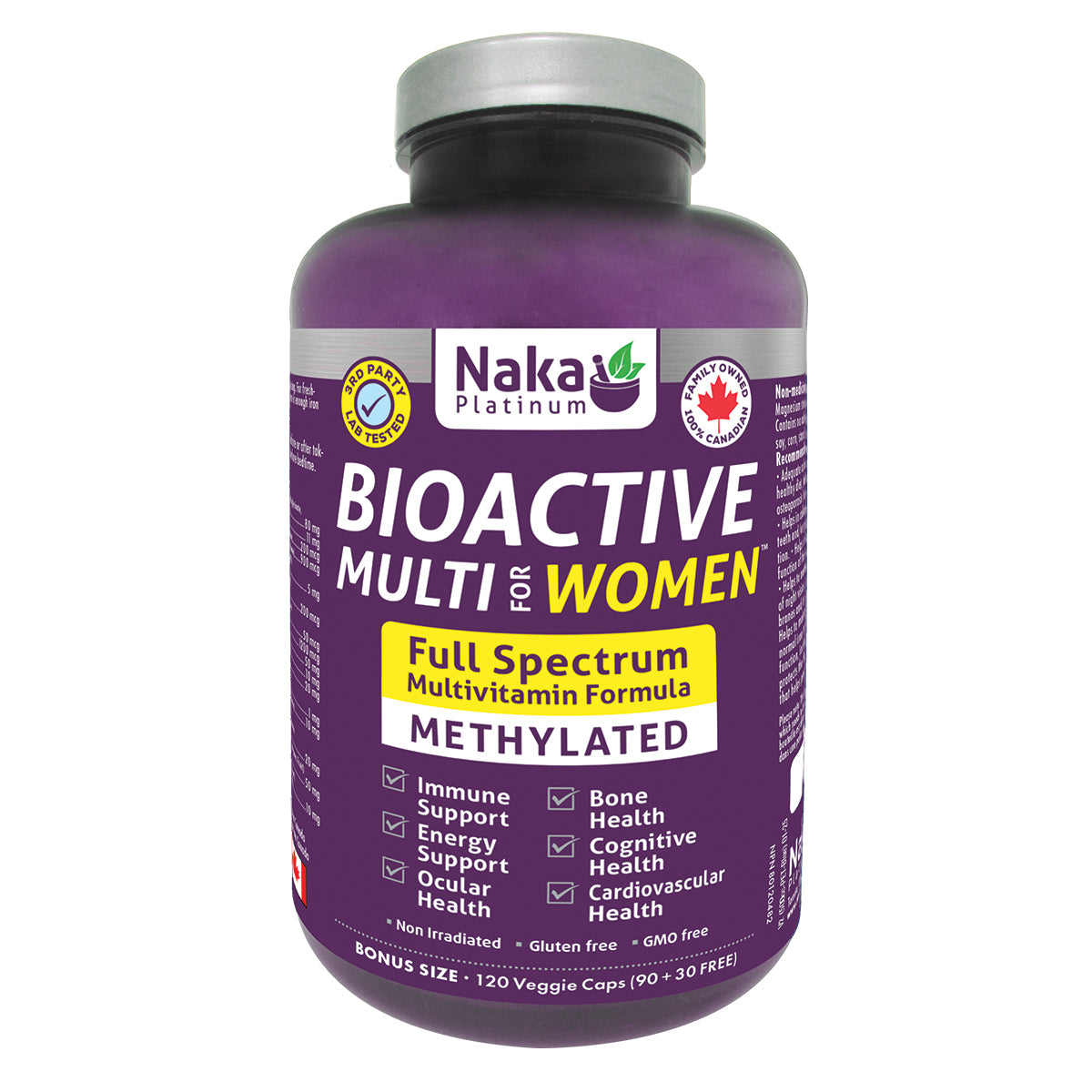
Naka Platinum
Bioactive Multi for Women, 120 Veggie Caps
Mixed forms · 30 mg
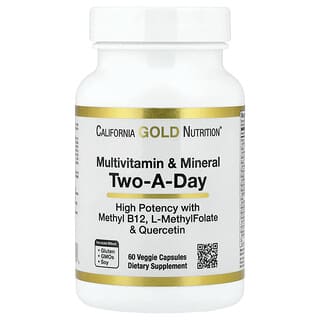
California Gold Nutrition
Daily Multivitamins
pyridoxine · 75 mg
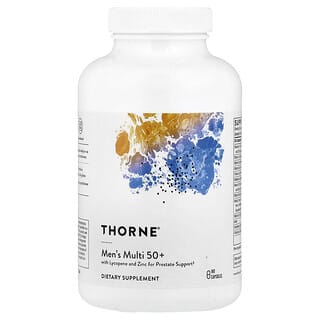
Thorne
Men's Multi 50+
pyridoxal 5-phosphate · 10 mg
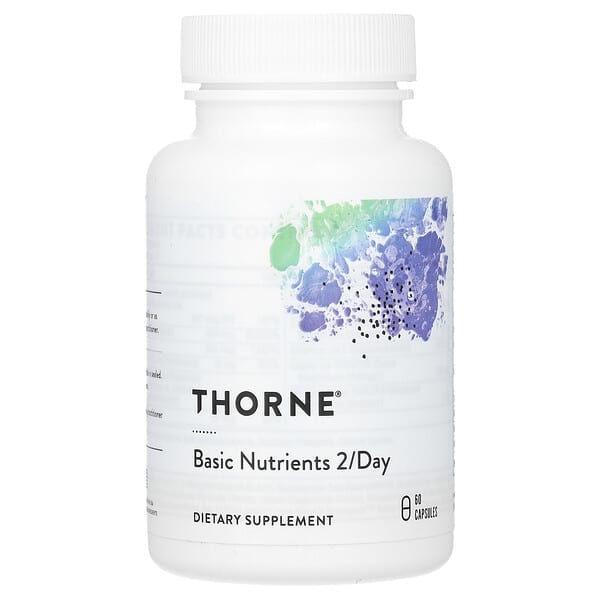
Thorne
Basic Nutrients 2/Day
pyridoxal 5-phosphate · 20 mg
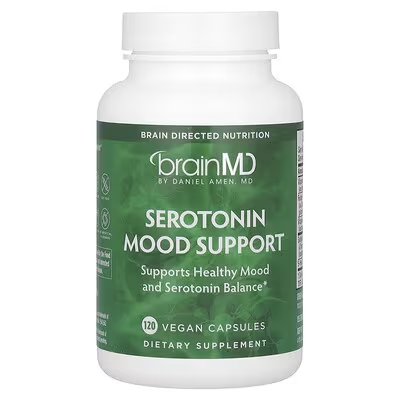
BrainMD
Serotonin Mood Support, 120 Vegan Capsules
Mixed forms · 20 mg
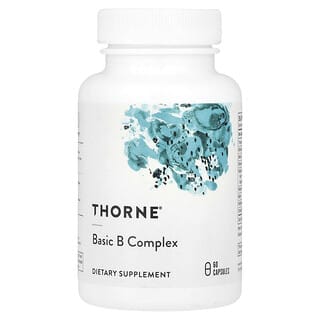
Thorne
Basic B Complex
pyridoxal 5-phosphate · 10 mg
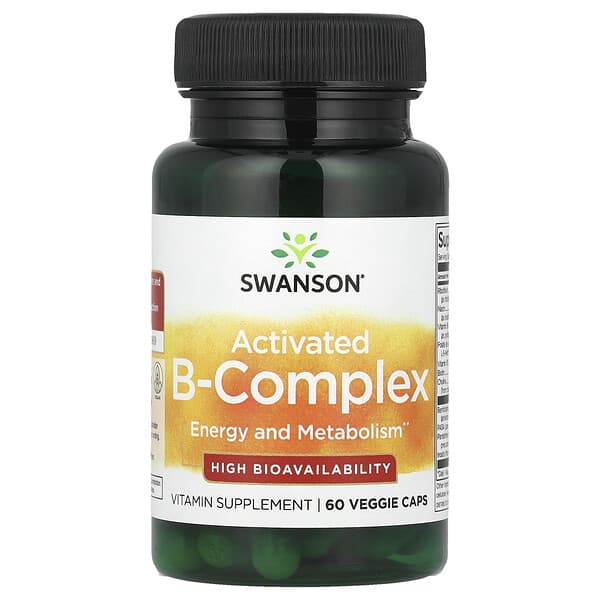
Swanson
Activated B-Complex High Bioavailability
pyridoxal 5-phosphate · 25 mg
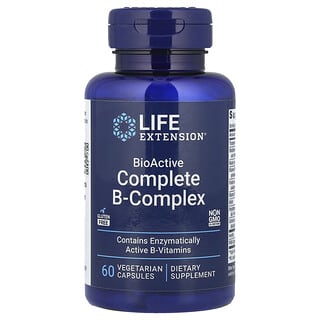
Life Extension
BioActive Complete B-Complex
Mixed forms · 100 mg
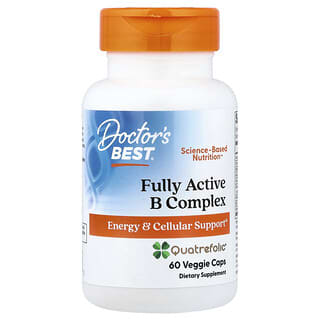
Doctor's Best
Fully Active B Complex with Quatrefolic
Mixed forms · 50 mg
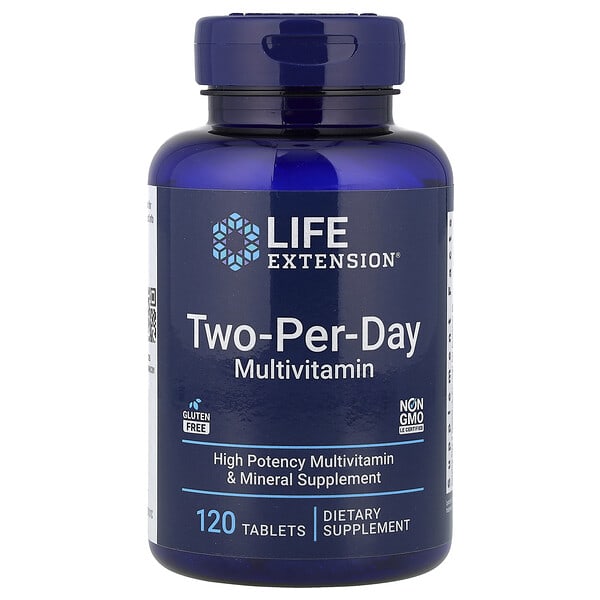
Life Extension
Two-Per-Day Multivitamin, V2, 120 Tablets
Mixed forms · 75 mg